Technology

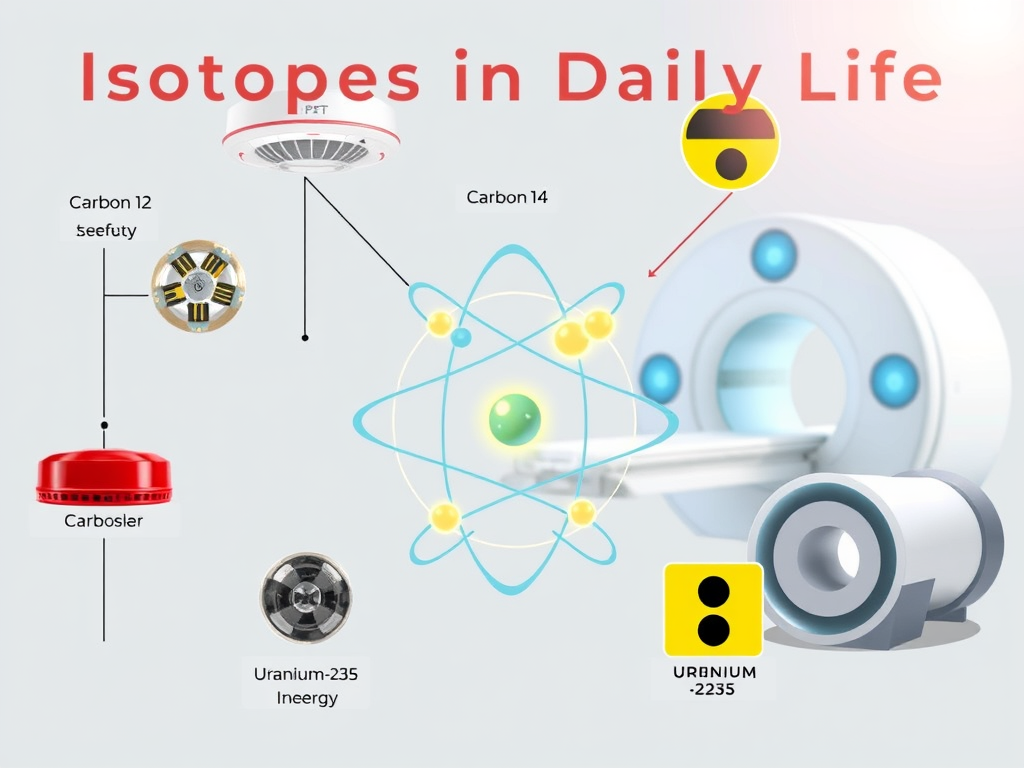
Isotopes in Daily Life: Applications and Innovations

Isotopes balance the strong nuclear force and electric repulsion, impacting Earth’s geology and technology. Long-lived isotopes date rocks, while short-lived isotopes serve as tools in research. They enhance safety, medical diagnostics, and environmental studies. Understanding isotopes helps innovate materials, structures, and resource management, connecting atomic detail to practical applications.

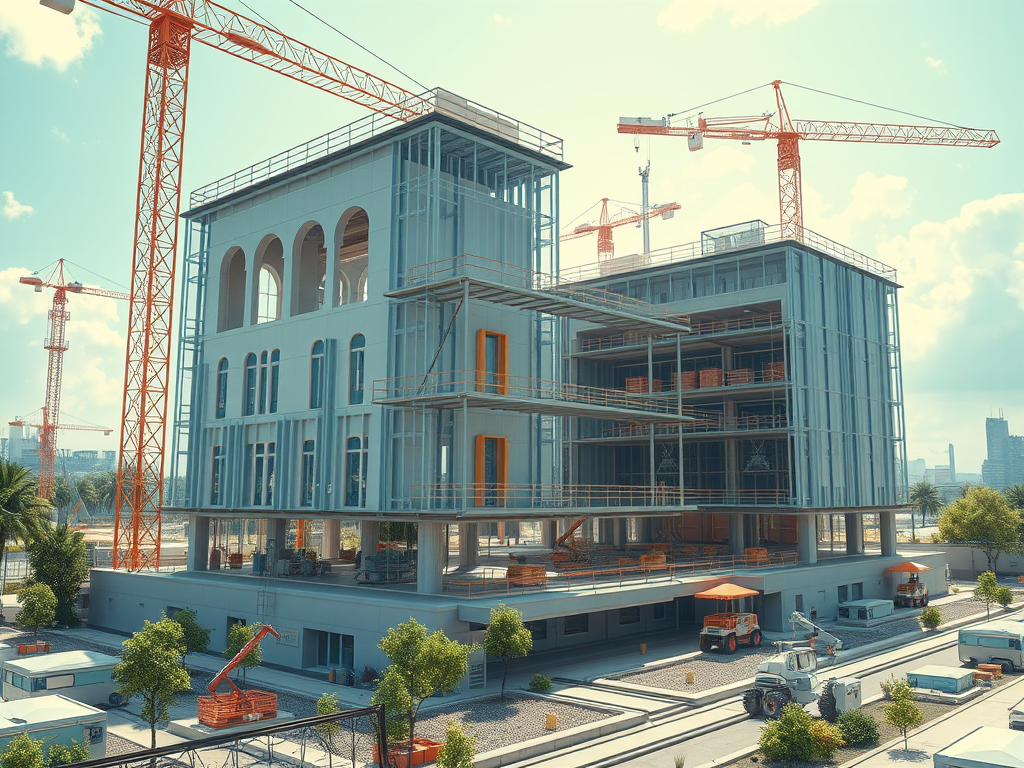
Understanding Environmental AI: The Future of Planetary Governance

The Earth is now perceived as a data-rich entity thanks to AI advancements that enhance environmental monitoring, transforming passive observation into intelligent sensing. This paradigm shift promotes anticipatory governance amid ecological crises. Norway exemplifies ethical AI integration while addressing challenges such as data bias, resource intensity, and the need for participatory stewardship.

Nano-Infused Construction: Innovating Infrastructure for Sustainability

This article examines the merging of nanotechnology and construction technology, highlighting their historical development and current trends. It discusses practical applications such as self-cleaning surfaces and smart materials, while addressing challenges like cost and health risks. The fusion points toward a sustainable future, emphasizing digital integration and enhanced materials for improved construction processes.

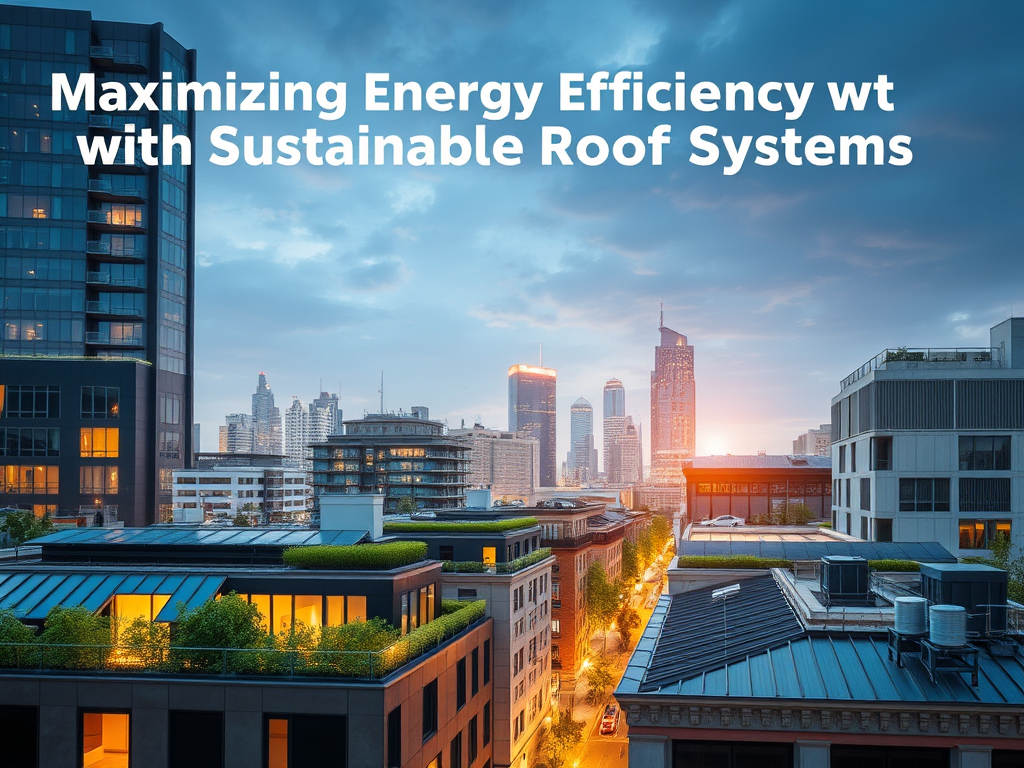
Maximizing Energy Efficiency with Sustainable Roof Systems

Roofs are essential for more than shelter; they regulate temperature, manage water, and support energy systems. Sustainable roof construction integrates historical lessons, current practices, and future innovations. This article emphasizes the importance of roofs in urban resilience, energy efficiency, and resource management, urging a holistic approach to design and implementation.

The Future of Building Façades: Hybrid Panels and Energy Integration

The evolution of hybrid panels and energy-injected cladding represents a pivotal shift in building design, enhancing energy efficiency and reducing carbon emissions. These multifunctional façades integrate energy generation and management within building envelopes, supporting sustainable architecture. Despite challenges like cost and complexity, their relevance grows in achieving decarbonization and occupant comfort.

Bioreactors vs Geothermal: Competing Pathways to Sustainable Energy for Future Homes

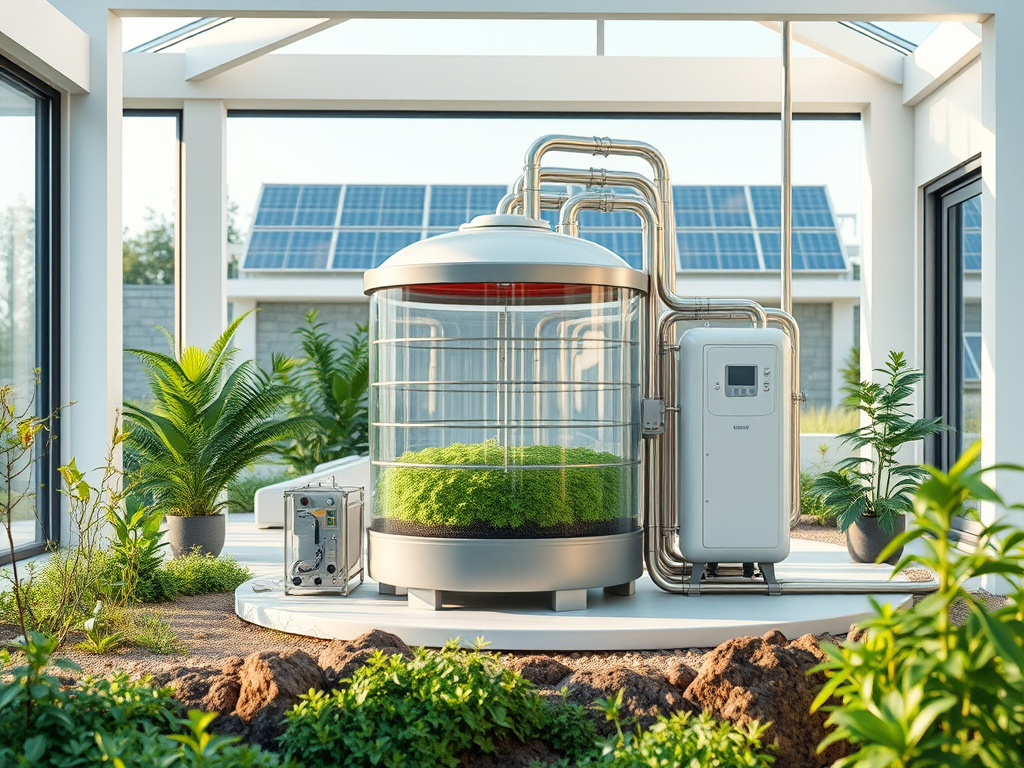
The article discusses innovations for sustainable housing, focusing on bioreactor-based energy systems and geothermal heat exchange as complementary technologies. It examines their historical evolution, modern applications, and potential integration in smart homes. The future of sustainable architecture hinges on hybrid systems that leverage these methods for net-positive energy and ecological resilience.

Silicon’s Hidden Cycle: From the Earth’s Interior to Man’s Cells

Silicon, abundant yet often neglected, plays a crucial role in both technology and human health. Its historical significance spans from ancient cultures to modern advancements. However, contemporary water supply practices prioritize pure, mineral-poor water for humans while reserving mineral-rich groundwater for industries, disrupting natural mineral balances essential for well-being.

Densified Wood and the New Material Civilization

Densified wood represents a transformative approach to sustainable materials, integrating molecular engineering, AI, and ecological design. It combines the renewability of forests with advanced technology to create a biodegradable, high-performance material stronger than metals. This innovative paradigm fosters collaboration between design and ecology, promising a future where materials enhance our relationship with nature.

The 30 Most Amazing Things to Expect in 2026

As we approach 2026, humanity anticipates transformative advancements across various sectors, including AI, sustainable cities, quantum computing, and personalized healthcare. These innovations promise to enhance daily life, environmental sustainability, and global connectivity. However, they also raise critical ethical discussions about privacy, agency, and societal equity, urging a balanced future.

What to Expect When Entering the Year 2030: A Comprehensive Outlook

As we approach 2030, transformative forces such as technological advances, demographic changes, and sustainability efforts are reshaping society. This article outlines key trends, challenges, and innovations across various sectors, emphasizing the importance of adaptability and collective action to navigate the future’s complexities and ensure a positive impact on humanity and the environment.

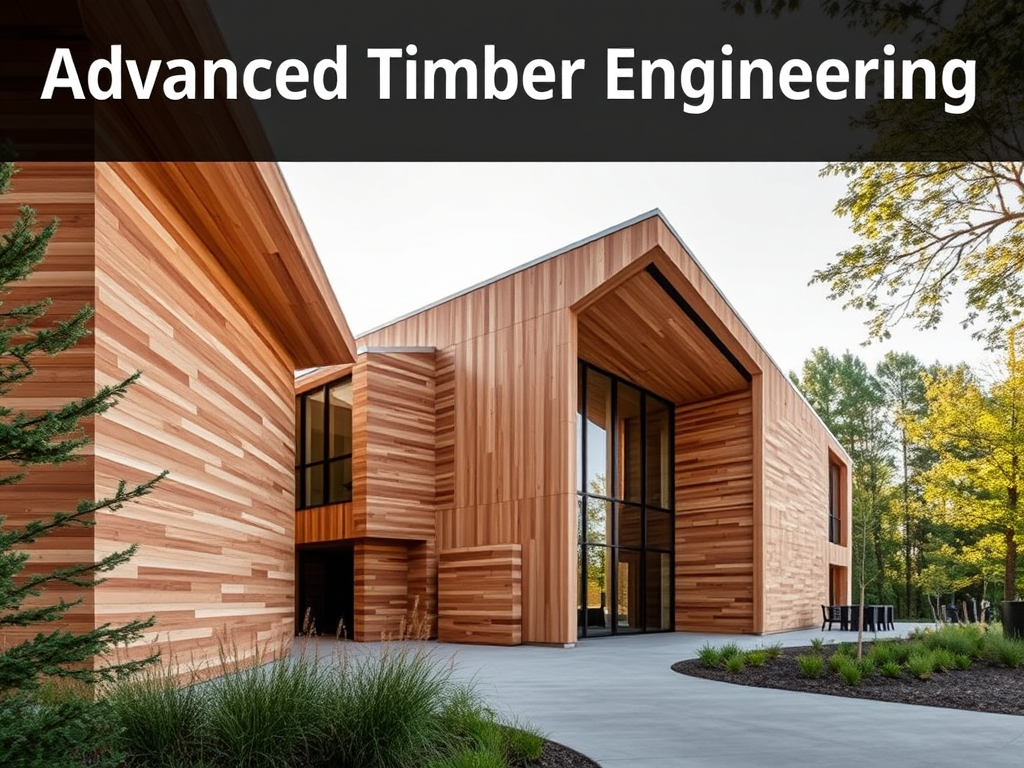
Advanced Timber Engineering: CLT, LVL & Dowel-Lam Explained

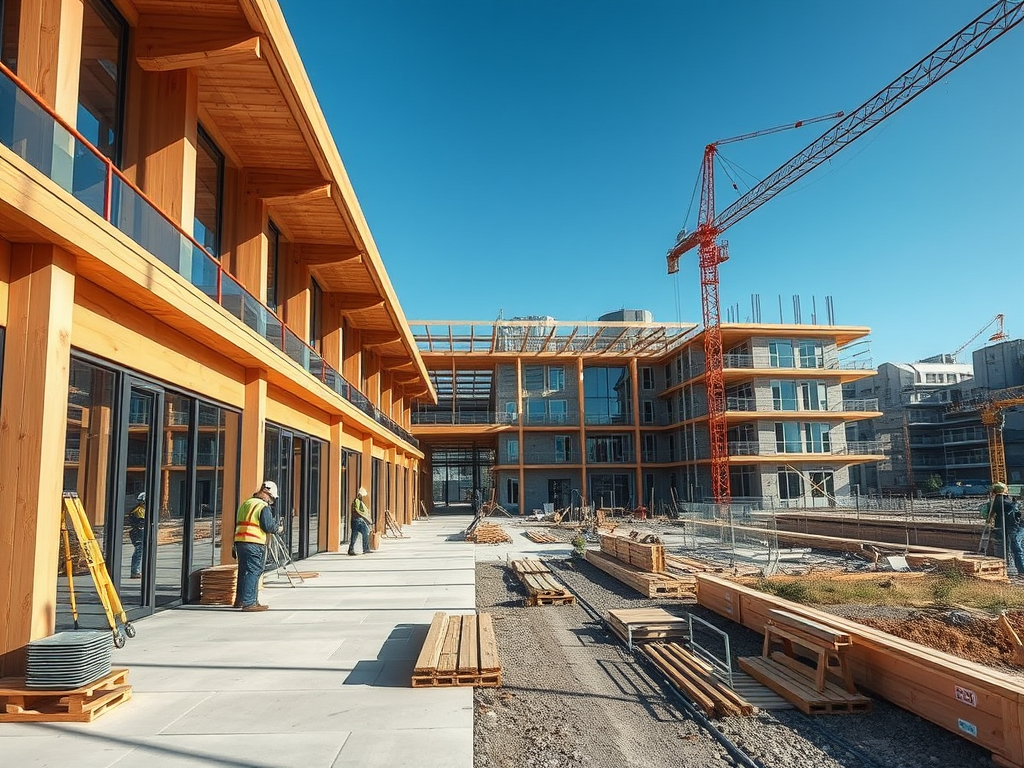
Advanced timber engineering, including CLT, LVL, and Dowel-Lam, redefines sustainable construction, merging traditional wood with modern technology. This article explores the history, applications, and future potential of these materials, emphasizing their strength, eco-friendliness, and role in creating resilient, innovative urban environments amidst growing environmental demands.

Resilience Planning: Heat, Flood & Storm Readiness for Homes

In 2025, climate change heightens the urgency for resilience planning in homes against extreme weather such as heatwaves, floods, and storms. This extensive analysis covers historical developments, current challenges, and future insights, emphasizing integrated strategies combining heat, flood, and storm defenses to protect communities globally while ensuring equity and sustainability.

Indoor Air Quality: Sensors, Ventilation, and Healthy Humidity

In 2025, indoor air quality (IAQ) is crucial for health and productivity, with increased awareness following pandemics. This article explores IAQ’s history, technological advancements, and current challenges, emphasizing the need for effective sensors, ventilation, and humidity control. Integrated solutions can significantly enhance indoor environments, promoting health and sustainability.

TEK17 Essentials: A Builder’s Guide to Compliance & Efficiency

TEK17, Norway’s 2017 building regulations, prioritizes safety, accessibility, sustainability, and energy efficiency, aligning with EU standards. It promotes innovation through practical applications, including digital tools and AI integration. The framework facilitates compliance while encouraging creativity, serving as a vital component for constructing a sustainable future in Norway’s architecture.

The Age of the Producer: Why Creating—Not Just Consuming—on the Internet is the Ultimate Power Move (Amplified by AI Supertools)

The article emphasizes the importance of transitioning from mere consumers to active producers in the digital age, highlighting how AI serves as a powerful “supertool” that breaks down barriers to content creation. It discusses the benefits of agency, ownership, and economic opportunity while addressing potential challenges in this evolving landscape.

Will the Tech Giants Share AI with the People—or Hoard the Wealth?

The article examines AI’s transformative potential and economic impact, highlighting the significant investments by tech giants. It questions whether AI will promote equality or exacerbate divisions. While some initiatives aim for public benefit, access and innovation remain largely restricted. The future may trend towards a balance between corporate control and open access, driven by public and governmental pressures.

Democratizing AI: Hopes and Challenges

The article discusses the critical issue of equity in the AI revolution, questioning whether tech giants will democratize AI benefits or hoard them. It explores the historical consolidation of tech power, current disparities in access, practical applications in sectors like healthcare and education, and future implications, emphasizing the need for shared technology to foster global progress and sustainability.

Crafting a Sustainable Future: Choosing Sustainable Materials Based on Your Location

The article advocates for the importance of selecting sustainable materials tailored to specific locations, emphasizing their role in fostering environmental health and cultural preservation. It explores historical practices, current trends, and innovative technologies, while addressing challenges and practical applications. The goal is to inspire eco-conscious choices that align with local ecosystems and promote community resilience.

How to Create a Sustainable Foundation When Building in the Mountains

Building homes in mountain environments combines serenity with ecological challenges due to climate change and population pressures. Sustainable construction practices can significantly reduce impacts, utilizing innovative techniques and materials. By embracing historical wisdom and modern technologies, the goal is to create resilient homes that honor nature and safeguard fragile ecosystems for future generations.

Embracing Sustainable Housing in the Face of Population Growth: A Path Forward

As the global population approaches 9.7 billion by 2050, urban housing demands escalate, necessitating urgent sustainable solutions. The construction sector, responsible for significant emissions, can potentially reduce them by over 50% through innovative materials, traditional practices, and behavioral shifts. Future technologies like AI promise to transform housing design, fostering collaboration for greener living environments.

Cosmic Bass Voyage: The Mythic-Psychedelic Debut of Psychedelic Joms-Viking

Cosmic Bass Voyage serves as the inaugural single for Psychedelic Joms-Viking, merging Norse mysticism with psytrance. The track blends historical Viking elements with modern sound design, creating an immersive experience meant for both dancefloors and spiritual exploration. It signifies a transformative moment in today’s digital music landscape, fostering myth and connection.

WasteShark: Revolutionizing Marine Cleanup with Robotics

WasteShark is a revolutionary aquatic robot designed to combat marine litter, inspired by whale sharks. It autonomously collects debris, providing real-time water-quality data while promoting environmental sustainability. Deployed globally, it mitigates pollution, engages communities, and explores innovative applications. Challenges include ethical considerations and reliance on technology, but its impact on cleaner waterways is significant.

Share with