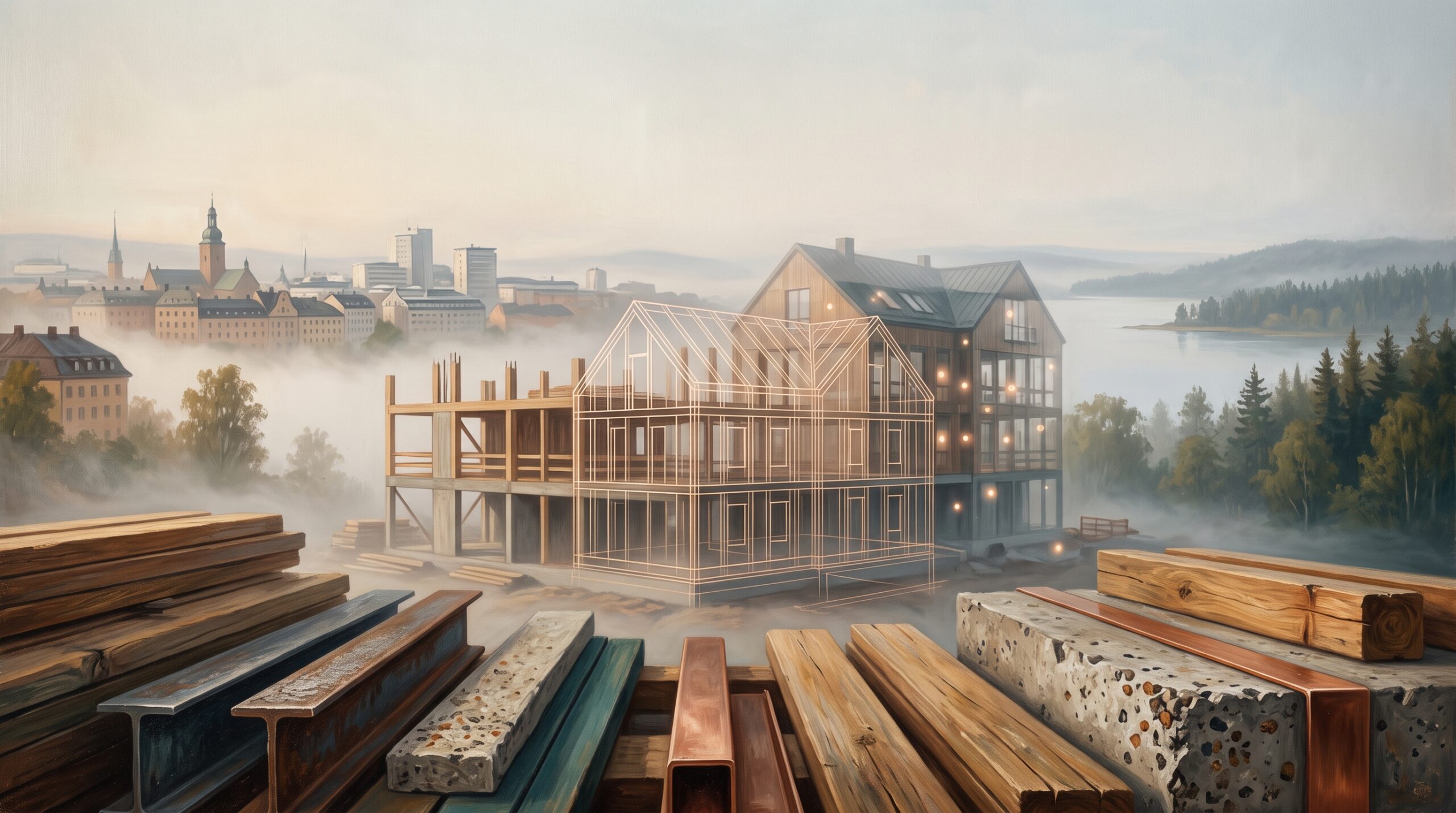
The Moisture Test: Can Bio-Based Insulation Survive a Nordic Wall?
Can wood fibre, hemp and mycelium insulation withstand Nordic moisture? Explore research, TEK17 requirements and a practical specification checklist.
Empowering our People

Circular construction, bio-based materials, carbon and climate.
Can wood fibre, hemp and mycelium insulation withstand Nordic moisture? Explore research, TEK17 requirements and a practical specification checklist.
Explore how artificial intelligence, BIM and digital twins can improve building design, construction, energy performance and lifecycle sustainability.
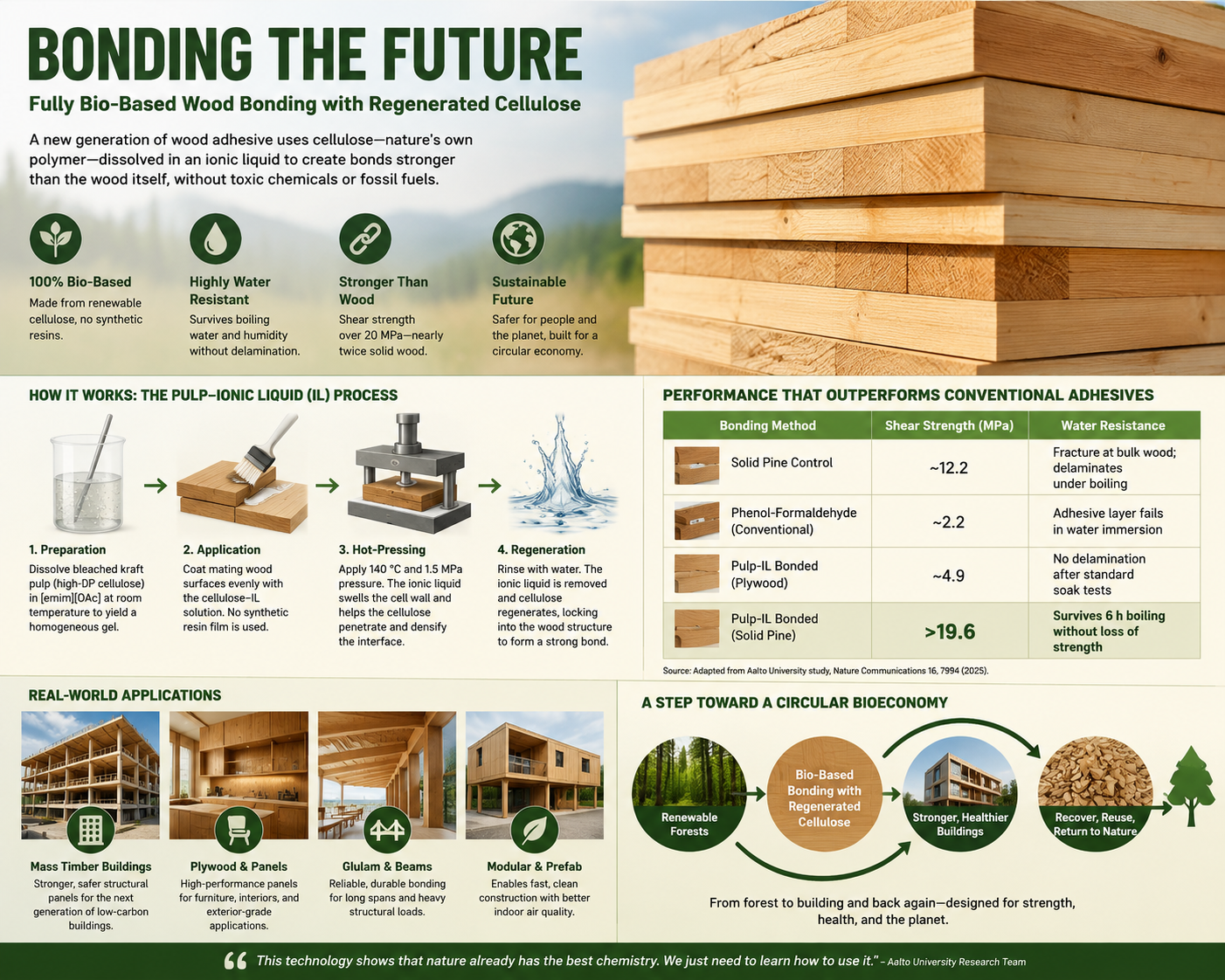
Introduction: Why the Glue Matters as Much as the Wood Mass timber is often celebrated as one of the most promising materials for lower-carbon construction. It is renewable, strong for its weight, prefabrication-friendly, and capable of storing biogenic carbon for decades when used in buildings. Yet there is a quiet contradiction at the heart of […]
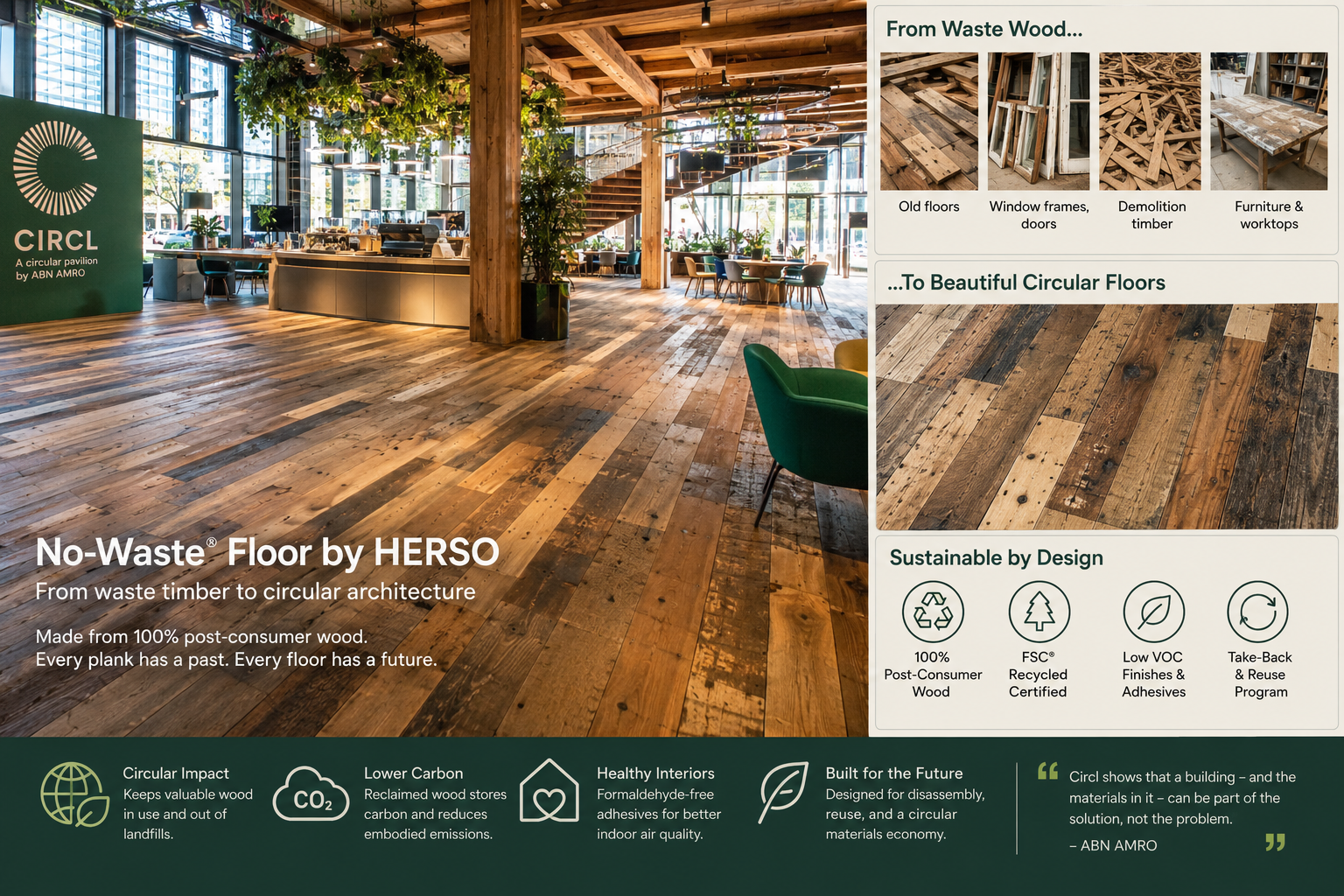
Introduction: Why a Floor Can Matter More Than It Seems A floor is easy to overlook. It sits beneath the daily life of a building, carrying footsteps, furniture, dust, work, ceremony, and time. Yet in sustainable architecture, the floor is not a passive surface. It is a material decision with consequences: where timber comes from, […]
Introduction: The Intelligence Beneath Our Feet If the mountain has a face, as our previous exploration suggested, then the earth itself possesses a neural network. Long before the first hominids walked upright, long before the first stones were stacked to create shelter, the planet was wired with an intelligence of astonishing complexity: the mycelial network. […]
Executive Summary Mycelium has large potential, but not in one single “miracle” direction. Its strongest near-term potential is in soil health, ecological restoration, sustainable packaging, insulation, alternative protein, enzyme production, and selected bioremediation uses. Its more speculative potential lies in structural building materials, leather-like fashion materials, living electronics, large-scale carbon sequestration, and “wood-wide web” forest […]
How Fungi Connect Forests, Feed Plants, Build Soil, Store Carbon, and Challenge How We Think About Life Underground Introduction: The Living Internet Beneath Our Feet Step into a forest and most of what matters is invisible. Above you are trunks, leaves, moss, birds, insects, and shafts of light. Beneath you is another world: threads thinner […]
How Norwegian energy policy and “TEK26” can work together to hit climate targets On a dark January afternoon, Norway’s energy story becomes almost tactile. You feel it in the hum of ventilation fans, in the heat that leaks through an aging window frame, in the electric load that surges when temperatures drop and everyone—homes, schools, […]
The architecture sector is shifting focus from operational to embodied carbon in building materials, driven by a new AI-powered sustainable materials platform. This platform integrates design, carbon metrics, and supply chain realities, reducing friction in material selection while optimizing for sustainability, cost, and performance. Its effectiveness will shape the industry as regulatory demands increase.
The EU’s Right to Repair movement aims to combat the throwaway culture prevalent in consumer goods by promoting repairability and extending product lifespans. New regulations encourage manufacturers to provide spare parts, repair information, and incentives for consumers to choose repair over replacement. This shift fosters sustainability and reshapes ownership values in society.
The article discusses the increasing importance of embodied carbon in concrete, especially as operational energy efficiency improves. It focuses on the shift towards low-carbon materials, like geopolymers and alternative binders, driven by European policies and market demand. Strategies for effective CO₂ budgeting in design and construction practices are highlighted for engineers.
The article emphasizes that 2026 is pivotal for navigating converging trends in AI, climate change, and workforce dynamics. It advocates for proactive, scenario-based planning rather than static goal-setting, addressing resilience and adaptability across individuals and organizations. Key themes include AI integration, sustainability, and a strong focus on skills development to thrive in an uncertain future.
The sustainable bedroom serves as a vital intersection of health, ecology, and comfort. By prioritizing low-emission materials, efficient energy use, and optimal indoor air quality, we can transform bedrooms into restorative spaces. Addressing historical design trends and current challenges, the article provides strategies for enhancing bedroom sustainability while emphasizing ongoing innovations and practical applications.
This exploration of metals highlights their crucial role in civilization, from ancient metallurgy to modern applications in various industries. It discusses historical milestones, current challenges, and sustainability trends influencing the future of metallurgy. The piece aims to inspire understanding of metals’ significance and promotes responsible practices in their use and production.
This article emphasizes the importance of creating sustainable living rooms that reflect personal style and environmental consciousness. It traces the historical evolution of sustainable design, highlights modern practices and materials, and discusses future innovations and challenges. It provides practical steps for homeowners to adopt eco-friendly choices in their living spaces.
The article outlines the transition towards net-zero homes in Norway, merging traditional building methods with modern technology to achieve sustainability. It provides a detailed guide for architects, builders, and homeowners on design principles, materials, and community engagement, demonstrating how these homes honor heritage while pushing forward climate goals and energy efficiency.
This post discusses the evolution of a future-ready timber home, highlighting the integration of AI in design, robot-assisted fabrication, and smart technology. It emphasizes faster construction, circular materials, and enhanced living spaces. The focus is on sustainability, efficiency, and adapting existing technologies to create intelligent, environmentally friendly homes for future generations.
This article examines the merging of nanotechnology and construction technology, highlighting their historical development and current trends. It discusses practical applications such as self-cleaning surfaces and smart materials, while addressing challenges like cost and health risks. The fusion points toward a sustainable future, emphasizing digital integration and enhanced materials for improved construction processes.
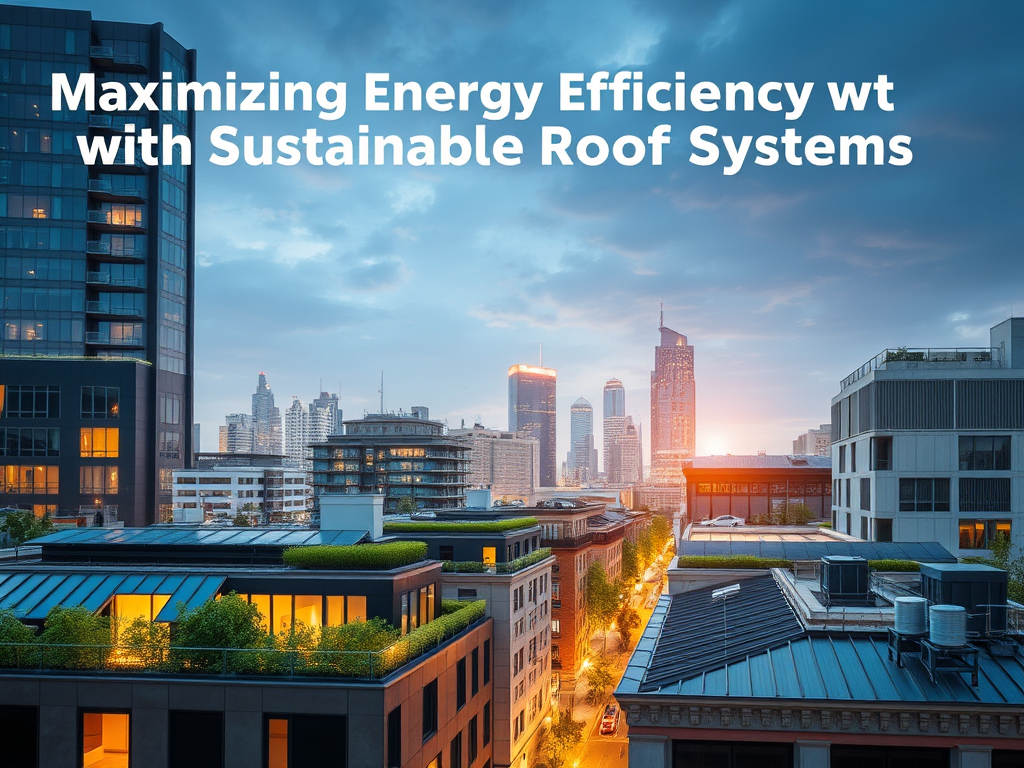
Roofs are essential for more than shelter; they regulate temperature, manage water, and support energy systems. Sustainable roof construction integrates historical lessons, current practices, and future innovations. This article emphasizes the importance of roofs in urban resilience, energy efficiency, and resource management, urging a holistic approach to design and implementation.
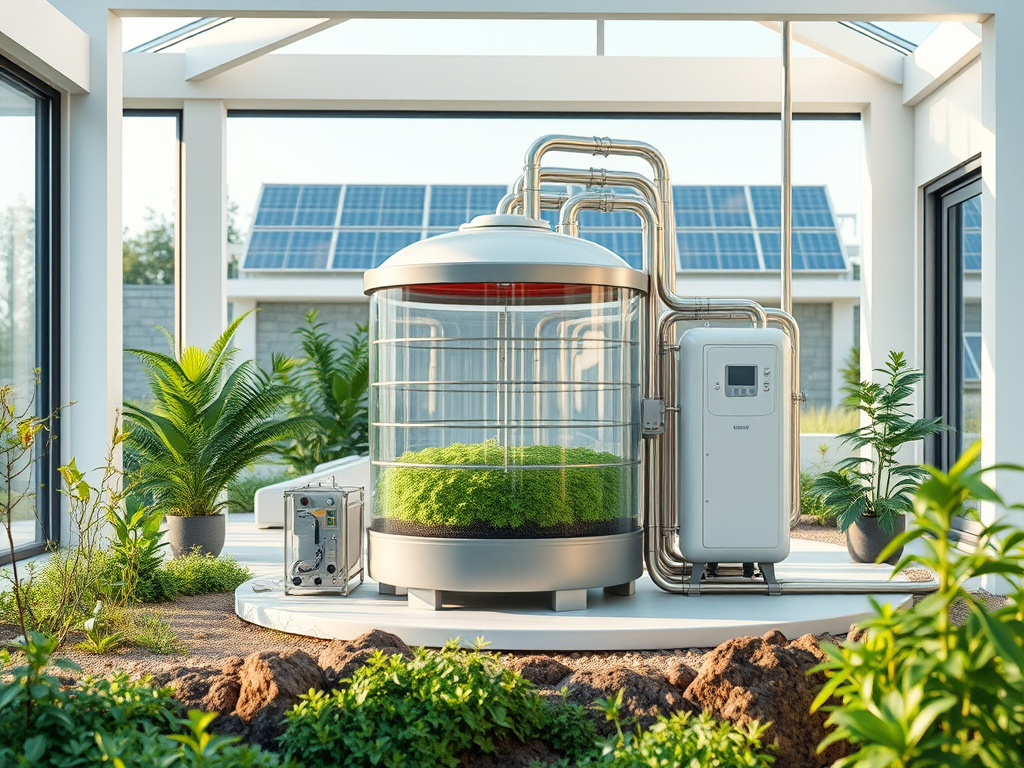
The article discusses innovations for sustainable housing, focusing on bioreactor-based energy systems and geothermal heat exchange as complementary technologies. It examines their historical evolution, modern applications, and potential integration in smart homes. The future of sustainable architecture hinges on hybrid systems that leverage these methods for net-positive energy and ecological resilience.
Discover how smart Norwegian first-floor design enhances comfort, safety, and energy efficiency sustainably.
Discover how sustainable construction evolves with AI and biotech, creating living, adaptive, self-healing buildings.
This article explores the sustainable practices of Germany and Denmark, highlighting their historical evolution and current relevance. It emphasizes the need for bold policies and community engagement in achieving sustainability. As leaders in environmental innovation, both nations provide valuable lessons on adapting strategies globally, promoting a resilient and eco-conscious future.
This guide on sustainable living emphasizes the urgent need to balance environmental, economic, and social factors. It traces sustainable living’s historical roots, current trends, and practical applications, highlighting the importance of individual actions, community engagement, and policy support. Embracing sustainability is essential for a resilient future while ensuring quality of life.