
Sustainability

Circular construction, bio-based materials, carbon and climate.

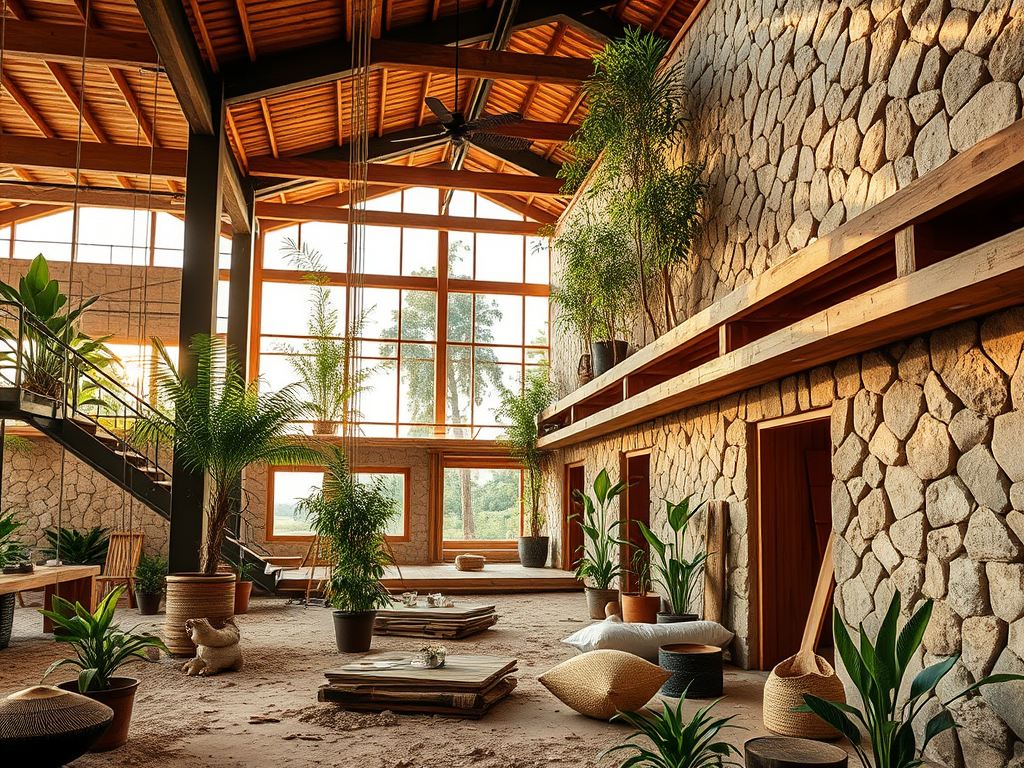
Crafting a Sustainable Future: Choosing Sustainable Materials Based on Your Location

The article advocates for the importance of selecting sustainable materials tailored to specific locations, emphasizing their role in fostering environmental health and cultural preservation. It explores historical practices, current trends, and innovative technologies, while addressing challenges and practical applications. The goal is to inspire eco-conscious choices that align with local ecosystems and promote community resilience.

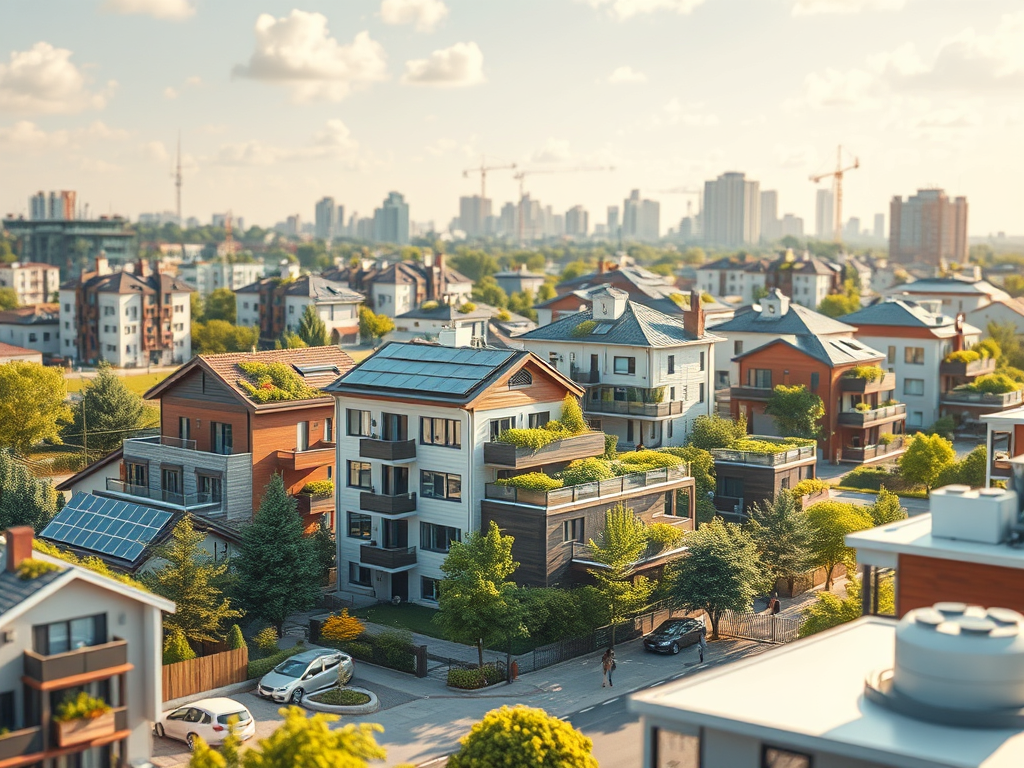
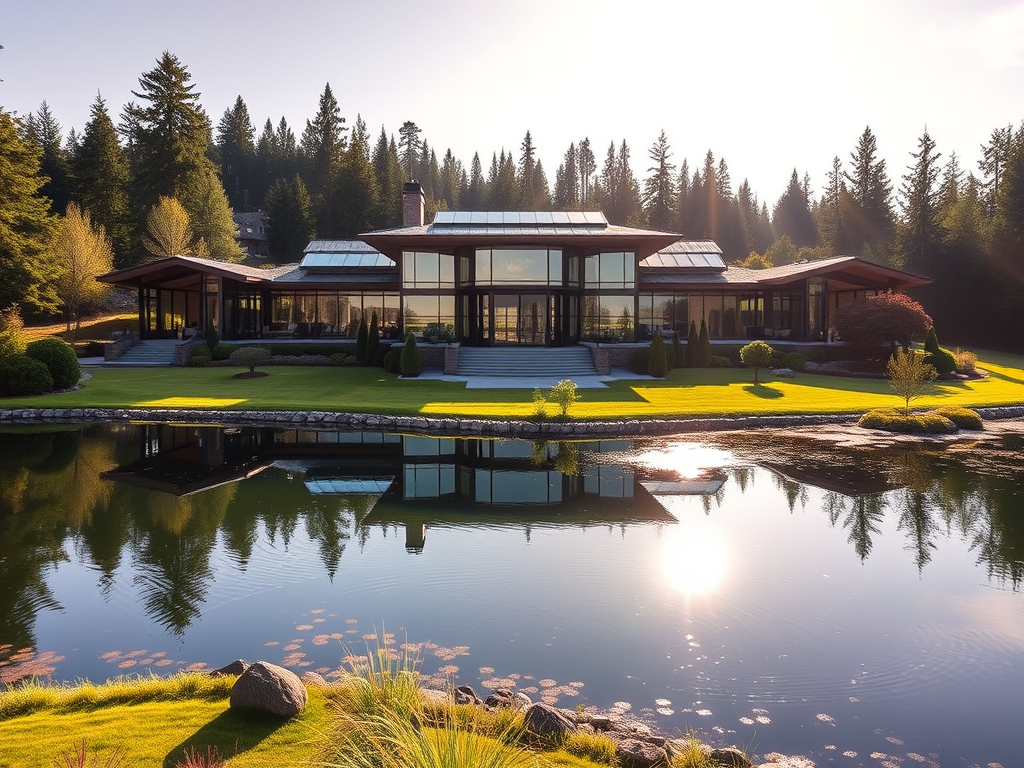
How to Create a Sustainable Foundation When Building in the Mountains

Building homes in mountain environments combines serenity with ecological challenges due to climate change and population pressures. Sustainable construction practices can significantly reduce impacts, utilizing innovative techniques and materials. By embracing historical wisdom and modern technologies, the goal is to create resilient homes that honor nature and safeguard fragile ecosystems for future generations.

Embracing Sustainable Housing in the Face of Population Growth: A Path Forward

As the global population approaches 9.7 billion by 2050, urban housing demands escalate, necessitating urgent sustainable solutions. The construction sector, responsible for significant emissions, can potentially reduce them by over 50% through innovative materials, traditional practices, and behavioral shifts. Future technologies like AI promise to transform housing design, fostering collaboration for greener living environments.

AI in Climate Adaptation: Scenarios from 2025 to 2040

This document outlines a scenario analysis on AI’s impact on climate adaptation from 2025 to 2040, addressing sectors like water, food, and health. It identifies critical uncertainties, presents four core scenarios plus a wild card, and highlights the urgent need for ethical governance and investment in sustainable data and financing solutions for effective adaptation strategies.

Personalized Sustainability: The Next Frontier in Eco-Innovation

Personalized sustainability shifts the focus from broad eco-initiatives to tailored solutions that cater to individual lifestyles and cultural contexts. Jarlhalla Group leads this movement in Scandinavia, creating innovative, community-driven tools that empower people to engage in sustainable practices, fostering a more meaningful connection to environmental stewardship.

Nordic Eco-Innovation: The Rise of Personalized Sustainability Solutions

Scandinavian companies, particularly Jarlhalla Solutions, are transforming global sustainability through personalized eco-innovation. By tailoring sustainable practices to specific needs and cultural contexts, Jarlhalla combines technology with local insights. Their approach enhances engagement, drives effective implementation, and sets a model for worldwide adaptation, showcasing the potential of personalized sustainability.

The Bamboo Breakthrough: Why This Ancient Material Is the Future of Green Building

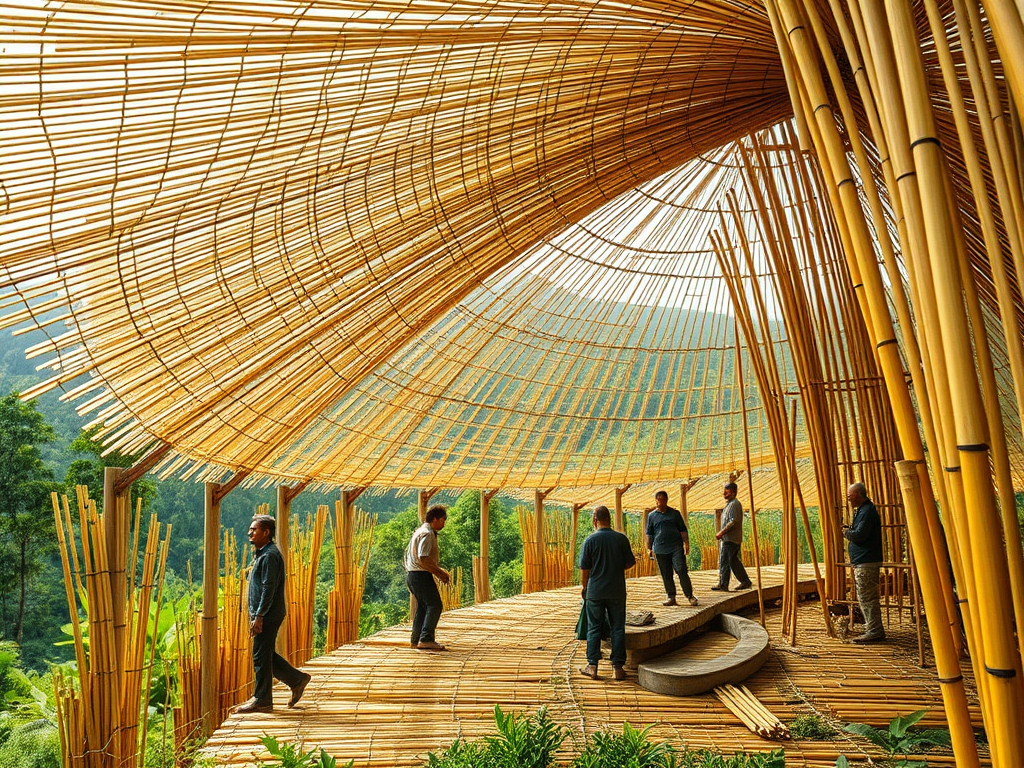
Bamboo, an ancient building material, is experiencing a resurgence in 2025 due to its sustainability, rapid growth, and minimal carbon footprint. With a history spanning thousands of years, it offers a low-impact alternative to traditional materials. Key projects demonstrate its potential, aiming for mainstream adoption and significant CO2 reduction by 2030.

Eco-Luxury: Inside the World’s Most Sustainable Mansions for the Ultra-Rich

Xanadu 2.0, Bill Gates’ eco-conscious mansion, exemplifies modern eco-luxury, showcasing sustainability through innovative technology. It raises questions about the balance between opulence and genuine ecological responsibility. As climate concerns grow, the elite’s commitment to green living faces scrutiny over equity and authenticity, challenging the true impact of luxurious, expansive builds.

Climate-Proof Cities: How Floating Architecture Is Saving Coastal Communities

In 2025, floating architecture emerges as a vital solution to climate change threats, particularly rising sea levels affecting coastal cities. This innovative housing concept, with historical roots, fosters resilience against flooding while addressing urban overcrowding. Projects like IJburg and Makoko showcase its potential, though challenges in stability and accessibility remain.

Nanomaterials for Sustainable Applications: Engineering the Future of Green Innovation

Nanomaterials, ranging from graphene to metal nanoparticles, play a pivotal role in sustainable innovations. Their unique properties enhance efficiency, reduce resource use, and enable circular economies. Applications span energy, healthcare, and packaging. As global markets grow, addressing safety, regulatory challenges, and equitable access remains essential to maximize their societal benefits.

Low-Carbon Concrete and Green Cement: Building the Foundations for Climate-Resilient Infrastructure

This article examines the crucial role of concrete and cement in modern society, highlighting their environmental impact, particularly COâ‚‚ emissions. It explores pathways to low-carbon alternatives, including supplementary materials, innovative binders, and carbon capture technologies. It emphasizes the need for sustainable practices, policy reforms, and equitable transitions to achieve climate goals.

Mycelium-Based Materials: The Fungal Frontier of Sustainable Design

Mycelium, the root network of fungi, is gaining prominence as a sustainable material for diverse applications, including packaging, construction, and fashion. By transforming agricultural waste into reliable, biodegradable products, mycelium offers eco-friendly alternatives that address urgent environmental issues, paving the way for a circular economy and innovative design solutions.

Circular Economy Materials and Upcycling: Transforming Waste Into Value

The text explores the shift from a linear to a circular economy, emphasizing upcycling as a key practice. It discusses the principles of circular economy materials, various types of upcycled resources, enabling technologies, and applications across industries. The article highlights the need for collaboration, innovative policies, and a mindset shift toward sustainability.

Biodegradable and Bio-based Plastics: The Future of Sustainable Materials

This article explores biodegradable and bio-based plastics, known as bioplastics, as sustainable alternatives to conventional plastics. It examines their definitions, types, production methods, applications, and limitations, emphasizing the importance of understanding environmental impacts, end-of-life processes, and policy frameworks to support effective adoption and mitigate plastic pollution.

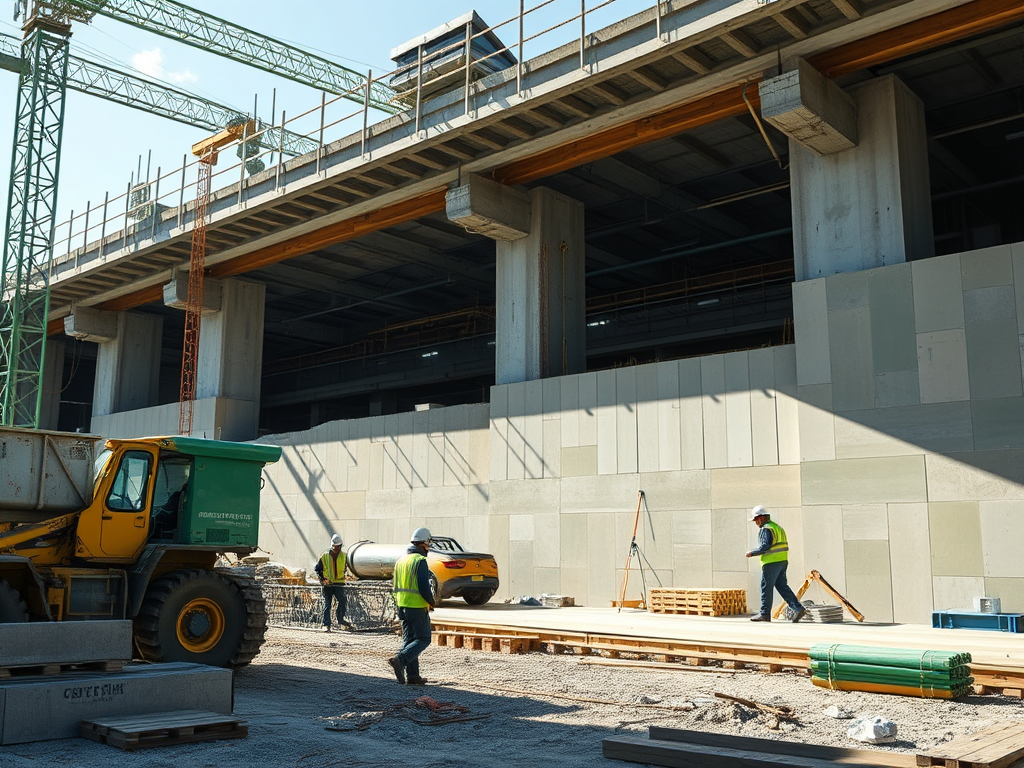
Sustainable Construction Material Trends: A 2025 Review

Sustainable building materials are essential in combating climate change, accounting for 8% of global COâ‚‚ emissions. Innovations include bio-based composites, recycled materials, and self-healing technologies, which improve performance while reducing environmental impacts. Collaborative research aims for mainstream adoption of these materials, addressing standardization, cost, and long-term viability challenges in construction.

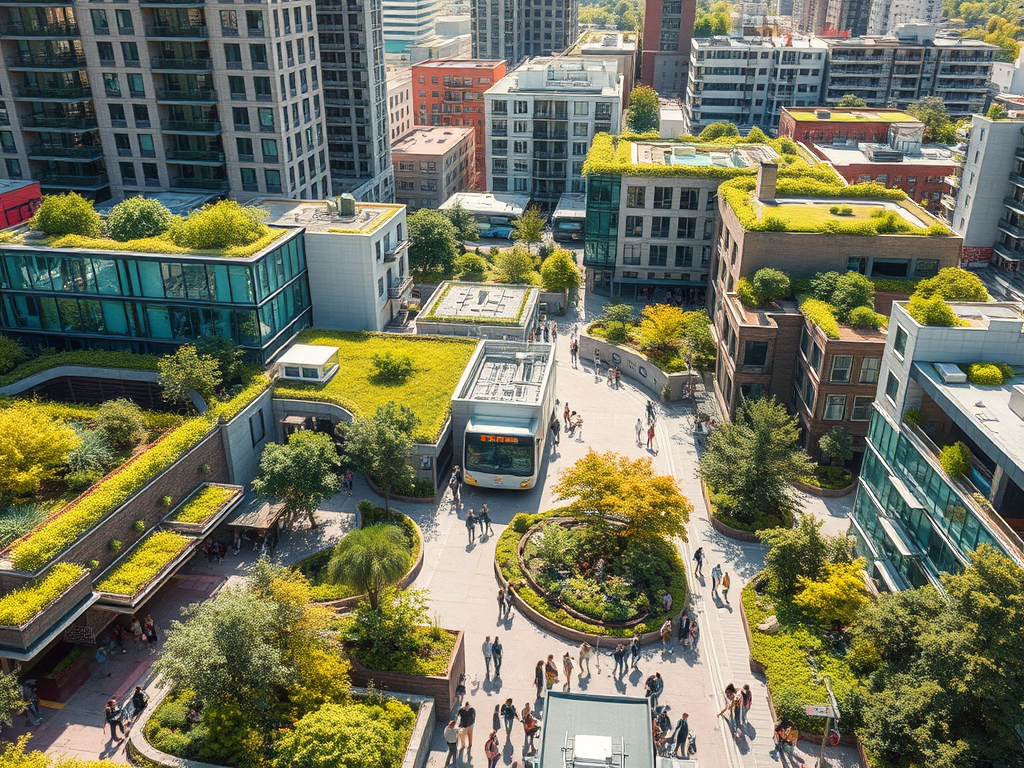
Sustainable Urban Design: Principles, Strategies, and Future Pathways

Sustainable urban design is crucial for managing the growing global urban population, which is expected to reach 68% by 2050. This approach integrates environmental, social, and economic principles to create resilient urban spaces. Key strategies include compactness, mixed-use developments, green infrastructure, and community engagement, promoting sustainability and equity in cities.

Circular Economy Unveiled: Transforming Sustainability with Innovation and Harmony

The circular economy challenges the traditional linear growth model, promoting sustainability through recycling, regeneration, and resource efficiency. It offers innovative solutions across sectors, including urban infrastructure, agriculture, and product services. Emphasizing community empowerment, circularity fosters resilience, belonging, and a harmonious balance between economic growth and ecological wellbeing, transcending mere compliance to become a cultural imperative.

Regenerative Economies: The Next Frontier in Sustainability

In 2025, a shift from sustainability to regenerative economies emphasizes healing ecosystems and communities rather than merely minimizing harm. This approach fosters biodiversity, community resilience, and cultural vitality. Jarlhalla Group can lead by integrating regenerative principles into consulting and products, promoting a narrative of active participation in life’s flourishing.

Launching a Circular Economy Venture: From Buzzwords to Business Reality

The circular economy represents a transformative shift from the linear model of consumption towards sustainable resource management. It emphasizes waste elimination, value preservation, and natural system regeneration. Successful implementation requires innovative design, robust logistics, community involvement, and effective policy alignment, with Jarlhalla Solutions exemplifying these principles through sustainable practices and consultancy services.

Transform Your Life: Harnessing Change and Technology for Sustainable Growth

The content discusses the dynamics of positive life transformation, emphasizing mindfulness, intentional disruption, and sustainable practices. It outlines four pillars: awareness, vision, action, and integration, while highlighting the role of technology and community support. Ultimately, embracing change through conscious choices can yield lasting impacts extending beyond the individual.

Understanding Climate Feedback Loops and Their Impact

Unraveling the mysteries of climate change, The Climate’s Invisible Accelerators explores how feedback loops—complex systems that can either amplify or stabilize global warming—play a pivotal role in shaping Earth’s future. Understanding and addressing these loops is crucial for crafting effective climate policies and avoiding tipping points that could lead to dramatic environmental shifts.

AI for Climate Solutions: Balancing Impact and Innovation

Artificial Intelligence plays a vital role in addressing climate change through adaptive solutions, such as predictive analytics and smart agriculture. However, it also poses environmental challenges, including high energy consumption and resource waste. A balanced, sustainable approach in AI development is essential to maximize its benefits while minimizing ecological impacts for a resilient future.

Leveraging AI to Build Resilient Communities: Advanced Climate Adaptation Strategies

Artificial Intelligence plays a critical role in enhancing climate resilience and adaptation. It utilizes advanced data analysis and predictive modeling to support various applications, such as risk assessment, resource management, and infrastructure evaluation. By optimizing response strategies and improving community preparedness, AI technologies foster sustainable development against climate change impacts, promoting stronger resilience.

Transforming Smart Buildings: Cutting-Edge AI for Unmatched Energy Efficiency and Sustainability

The integration of artificial intelligence in smart building technology optimizes energy efficiency and occupant comfort. Key components include sensors and automated controls, with systems enabling real-time monitoring and predictive maintenance. The technology focuses on energy cost reduction, carbon footprint tracking, and regulatory compliance, promising enhancements in sustainability and performance for modern facilities.

Share with