Construction

Building engineering, materials, structures and construction practice.

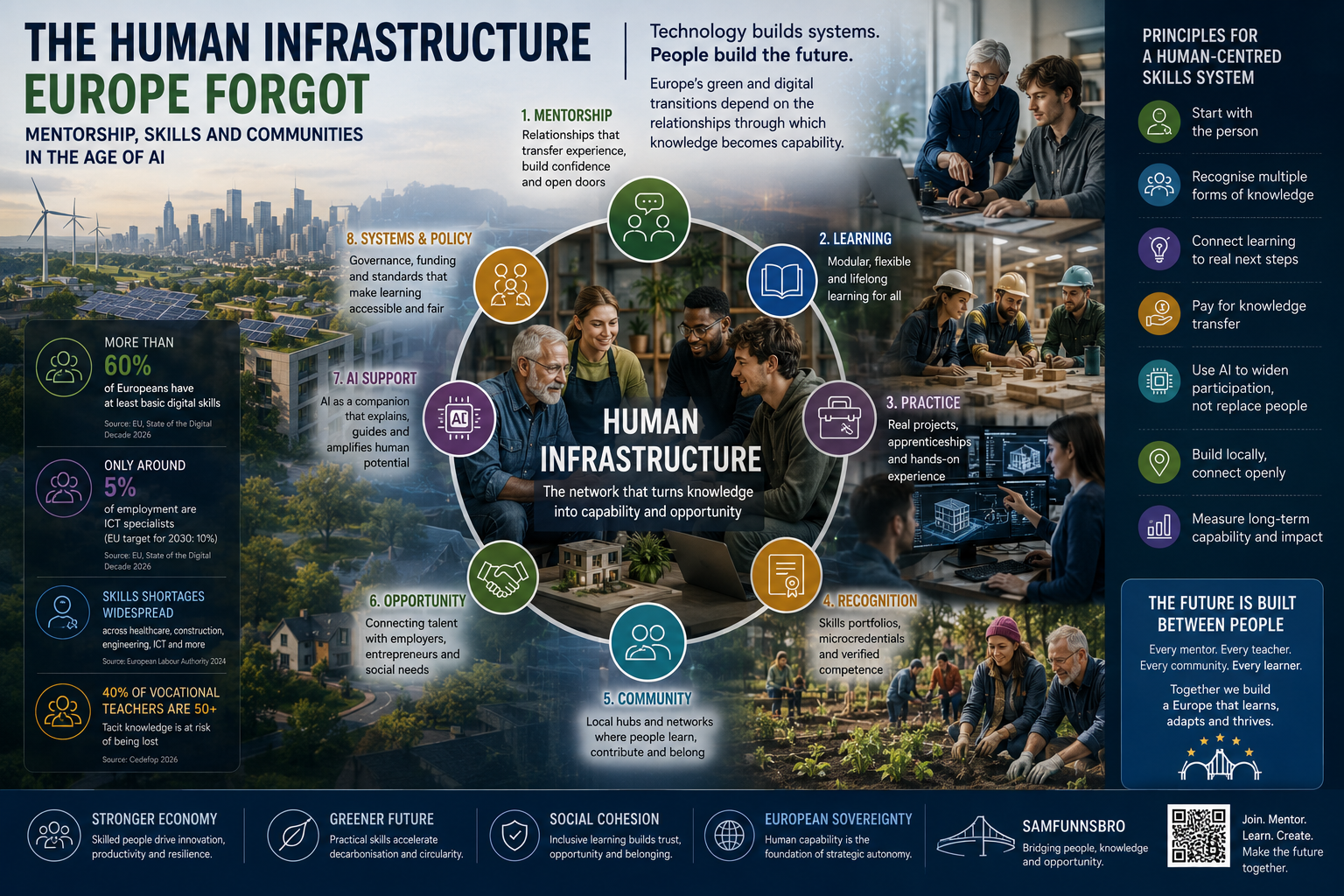
The Human Infrastructure Europe Forgot: Mentorship, Skills and Communities in the Age of AI

Why Europe’s green and digital transitions depend on rebuilding the relationships through which knowledge becomes capability SEO title: Europe’s Human Infrastructure in the Age of AIMeta description: Europe needs more than AI, universities and online courses. Discover how mentorship, apprenticeships, local learning networks and community knowledge can build the skills needed for the green and […]

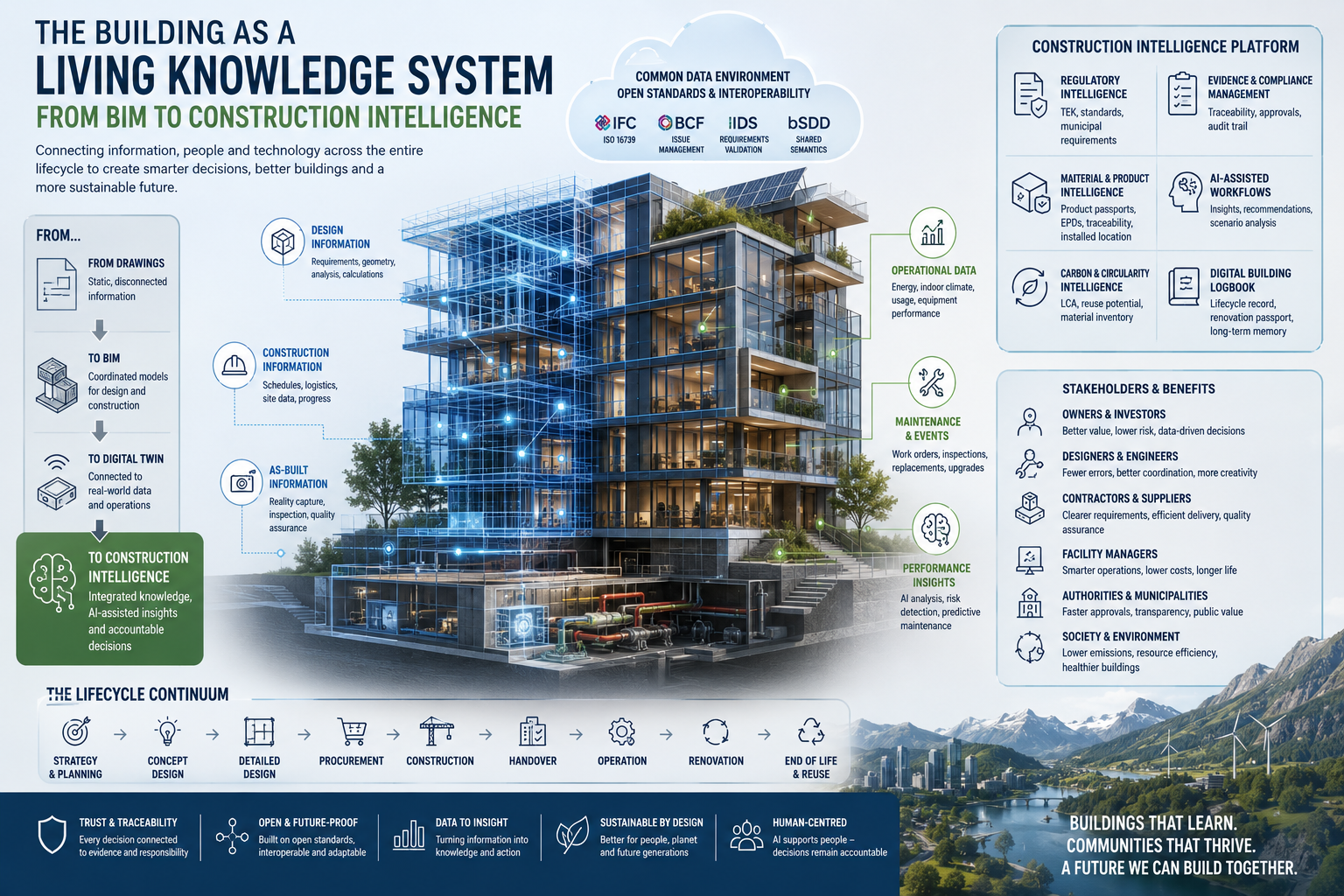
The Building as a Living Knowledge System: From BIM to Construction Intelligence

Why the next transformation of construction will connect models, regulations, mat title:** From BIM to Construction Intelligence: The Living Building Meta description: Discover how BIM, digital twins, open standards, building logbooks, product passports and AI can transform buildings into living knowledge systems.Suggested URL slug: /from-bim-to-construction-intelligence-living-building/Primary keyword: Construction IntelligenceSecondary keywords: BIM digital twin, openBIM, digital building […]

Part 1 of 2 — Basalt as a Construction Material: From Ancient Stone to Modern Composite

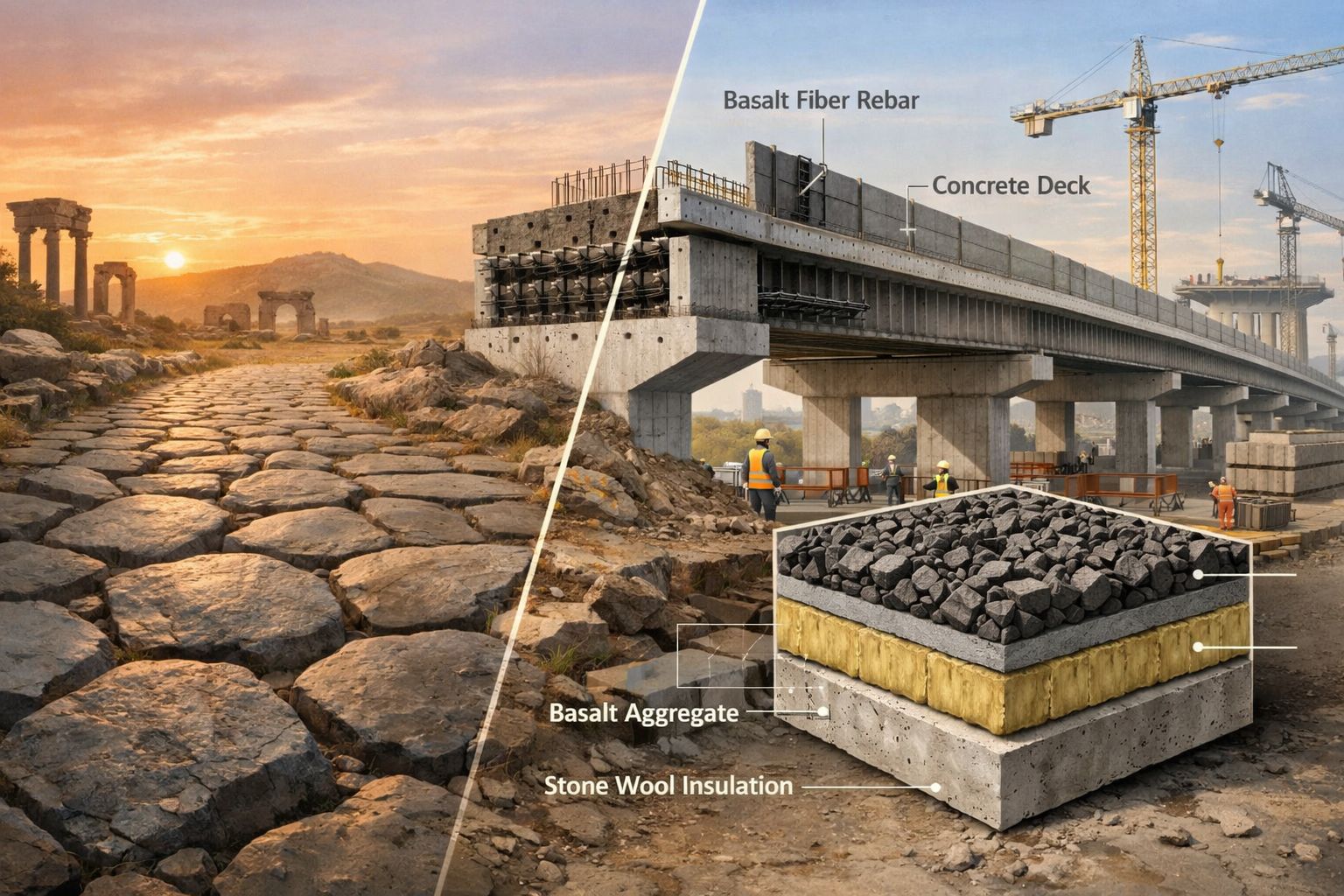
Abstract Basalt—an abundant volcanic rock—has served construction for millennia as durable stone and aggregate, and more recently as a feedstock for mineral wool insulation and high-performance basalt fiber composites. This article provides a balanced, research-informed overview of basalt’s evolution as a construction material, its present-day relevance across infrastructure and buildings, and the technical and institutional […]

From Extraction to Cultivation: Why the Paradigm of ‘Growing’ Infrastructure is a Visionary Leap for Humanity

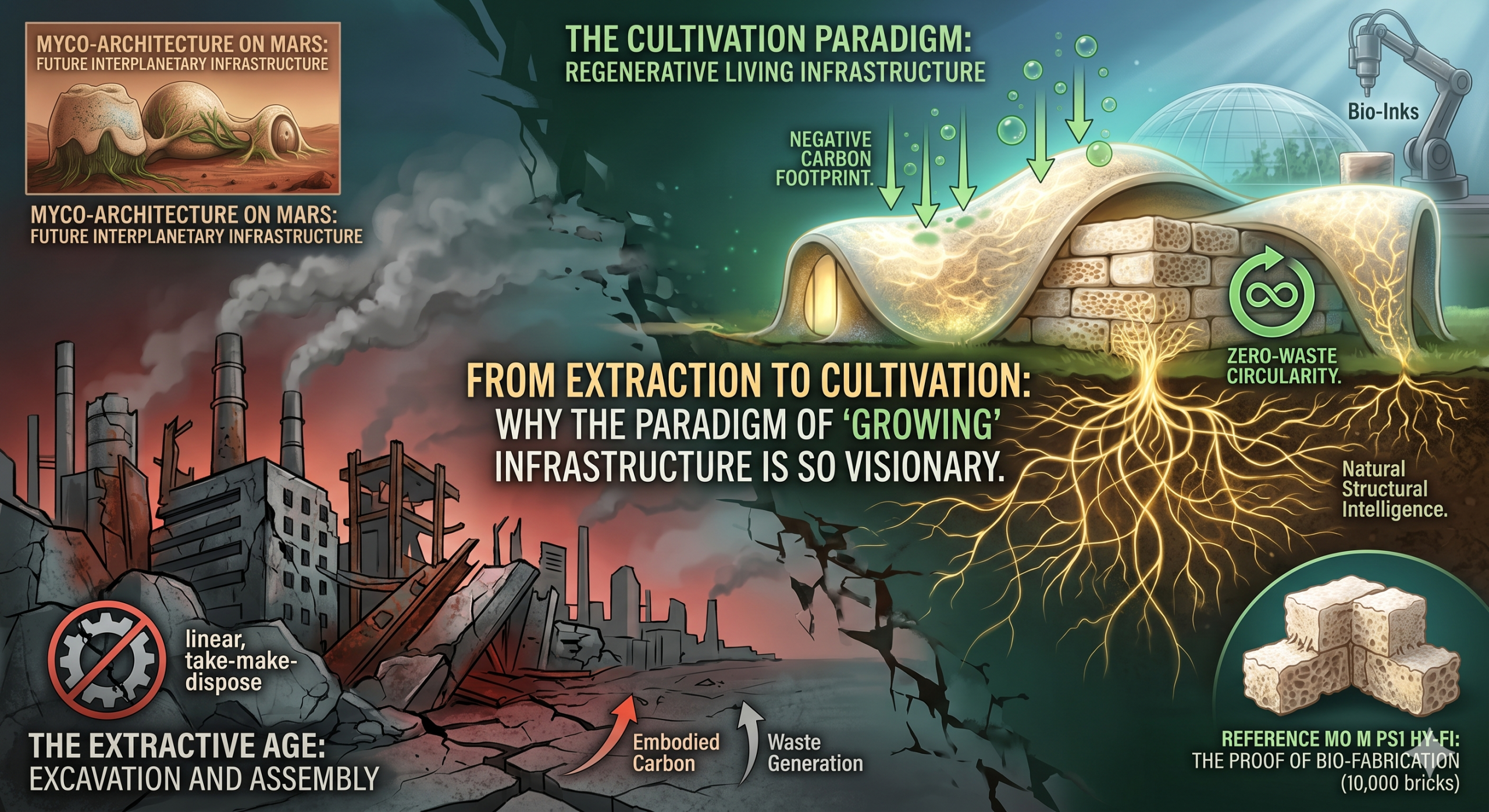
Abstract The prevailing paradigm of human construction has, for centuries, relied upon the extraction, refinement, and assembly of finite resources. This linear model—rooted in the intensive consumption of timber, stone, steel, and concrete—has exacted an unprecedented toll on the global biosphere, contributing to severe ecological degradation and accelerating anthropogenic climate change. In response to these […]

Fully Bio-Based Wood Bonding: How Regenerated Cellulose Could Transform Sustainable Mass Timber

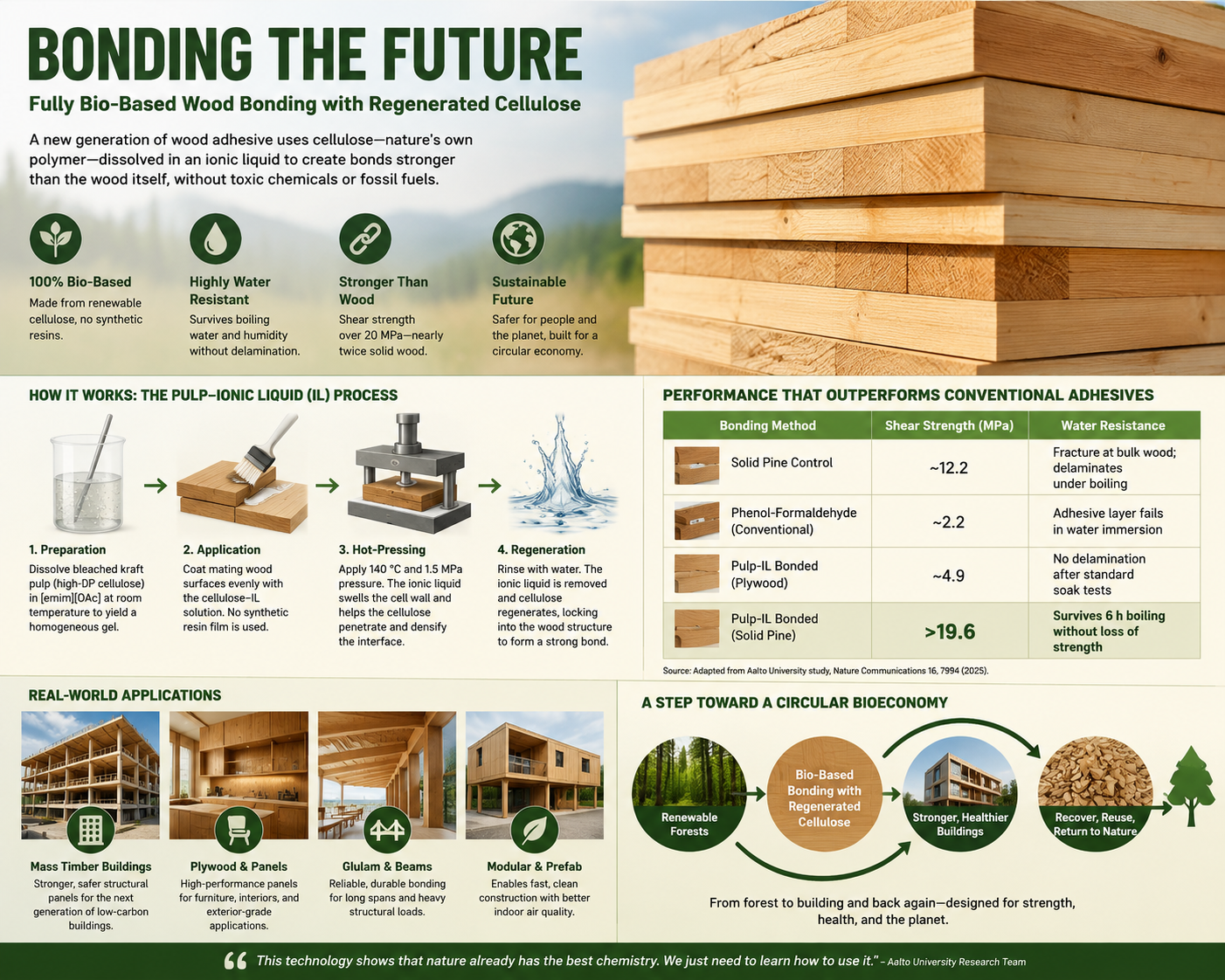
Introduction: Why the Glue Matters as Much as the Wood Mass timber is often celebrated as one of the most promising materials for lower-carbon construction. It is renewable, strong for its weight, prefabrication-friendly, and capable of storing biogenic carbon for decades when used in buildings. Yet there is a quiet contradiction at the heart of […]

From Waste Timber to Circular Architecture: The No-Waste® Floor by HERSO and the Future of Reclaimed Wood in Sustainable Construction

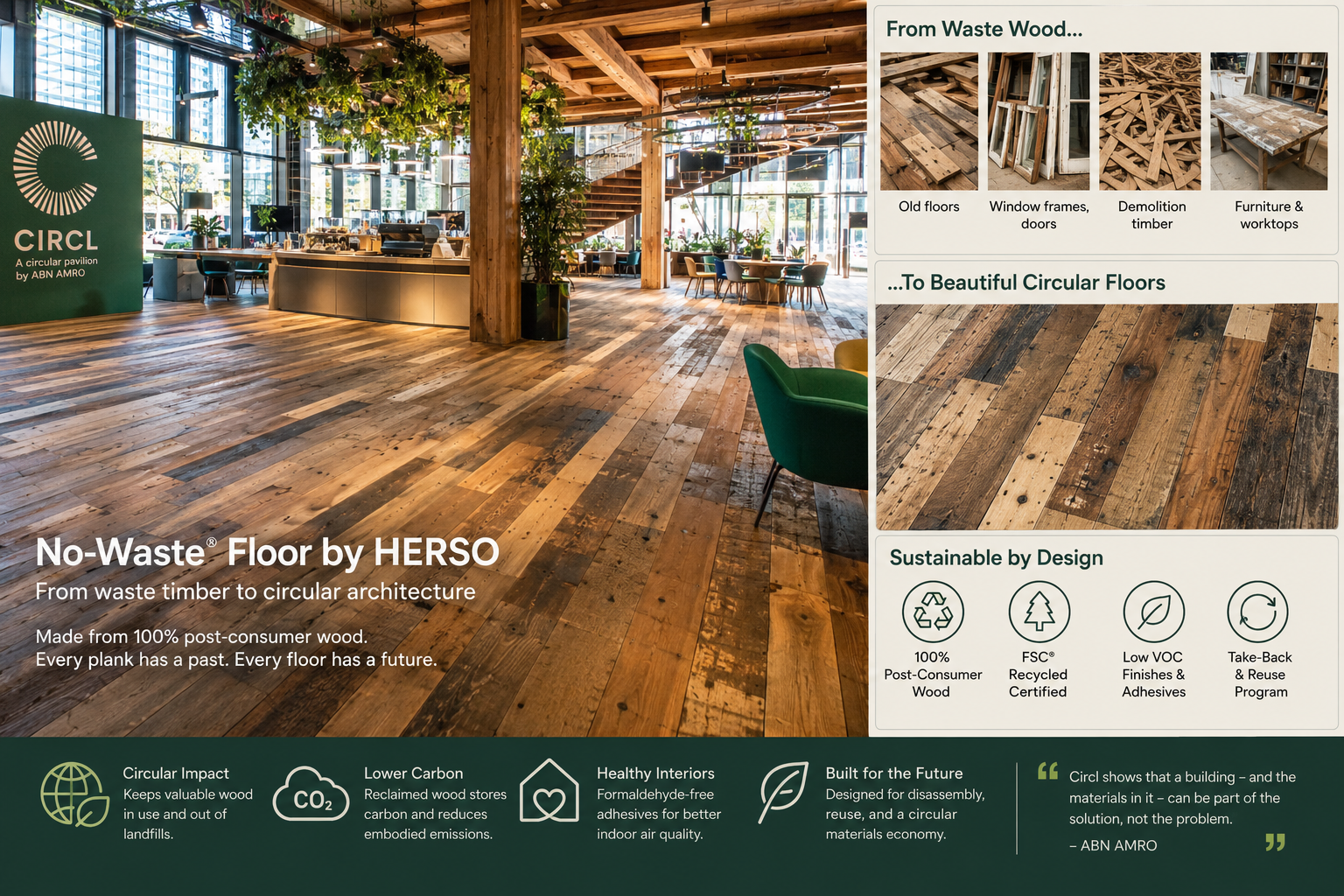
Introduction: Why a Floor Can Matter More Than It Seems A floor is easy to overlook. It sits beneath the daily life of a building, carrying footsteps, furniture, dust, work, ceremony, and time. Yet in sustainable architecture, the floor is not a passive surface. It is a material decision with consequences: where timber comes from, […]

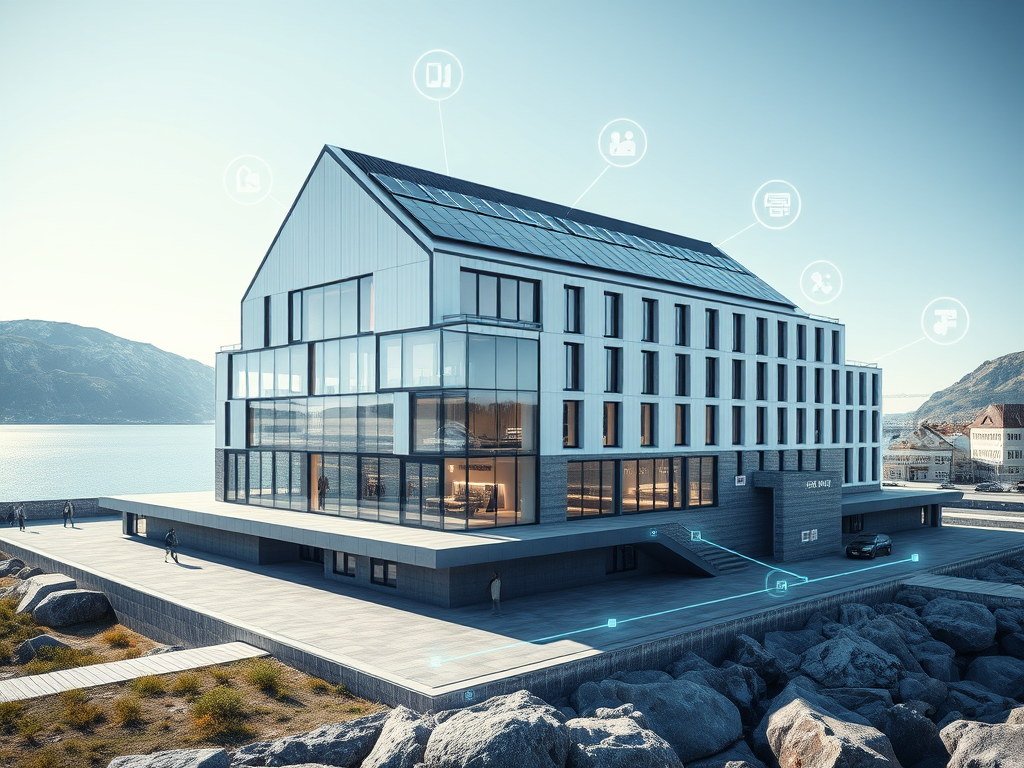
Optimizing Energy Performance with Digital Twins in Norwegian Buildings

This case study illustrates the application of a digital twin in Norway’s building sector, addressing compliance with TEK17 and NS 3701 regulations. The approach ensures continuous monitoring of energy performance, offering improvements like energy savings and enhanced comfort. It aligns with future TEK26 goals for greater digital regulation and automatic compliance checks.

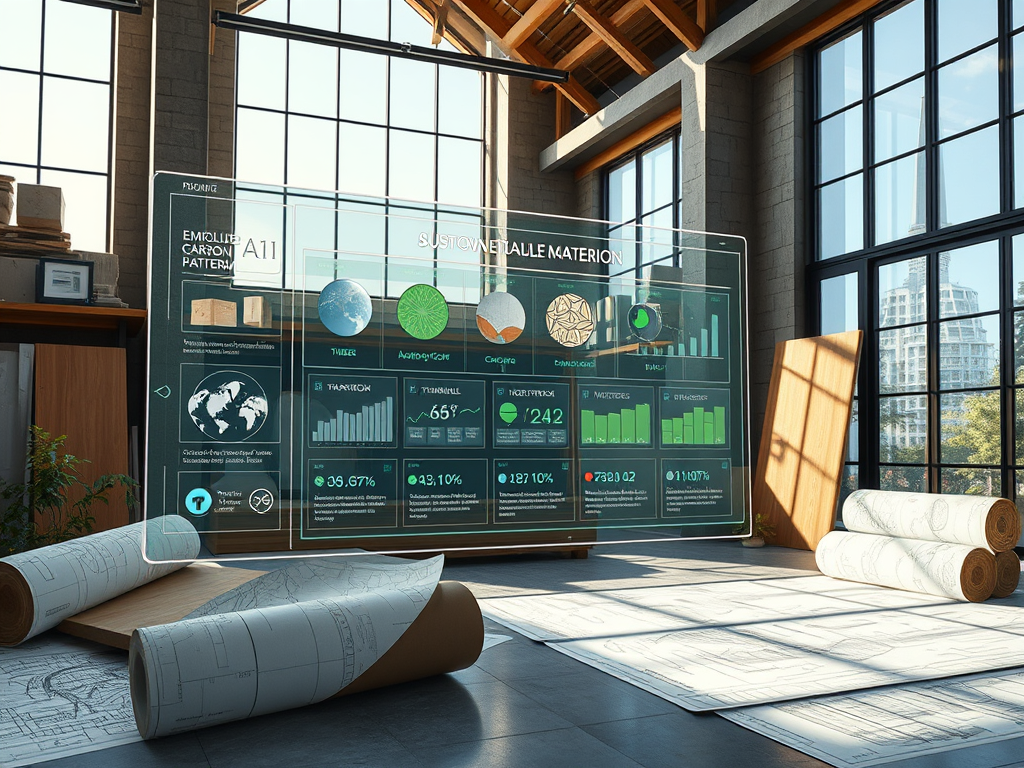
Embodied Carbon: The Future of Construction Decision-Making

The architecture sector is shifting focus from operational to embodied carbon in building materials, driven by a new AI-powered sustainable materials platform. This platform integrates design, carbon metrics, and supply chain realities, reducing friction in material selection while optimizing for sustainability, cost, and performance. Its effectiveness will shape the industry as regulatory demands increase.

Understanding Embodied Carbon in Concrete: A Key Design Variable

The article discusses the increasing importance of embodied carbon in concrete, especially as operational energy efficiency improves. It focuses on the shift towards low-carbon materials, like geopolymers and alternative binders, driven by European policies and market demand. Strategies for effective CO₂ budgeting in design and construction practices are highlighted for engineers.

Transforming Construction with Agentic AI: A Comprehensive Guide

Agentic AI has evolved from conversational systems to autonomous agents capable of performing significant operational tasks. This shift raises new risks related to governance, accountability, and cybersecurity. As organizations, especially in construction, adopt agentic AI, they must establish robust frameworks for oversight, transparency, and compliance to ensure safety and manage systemic risks effectively.

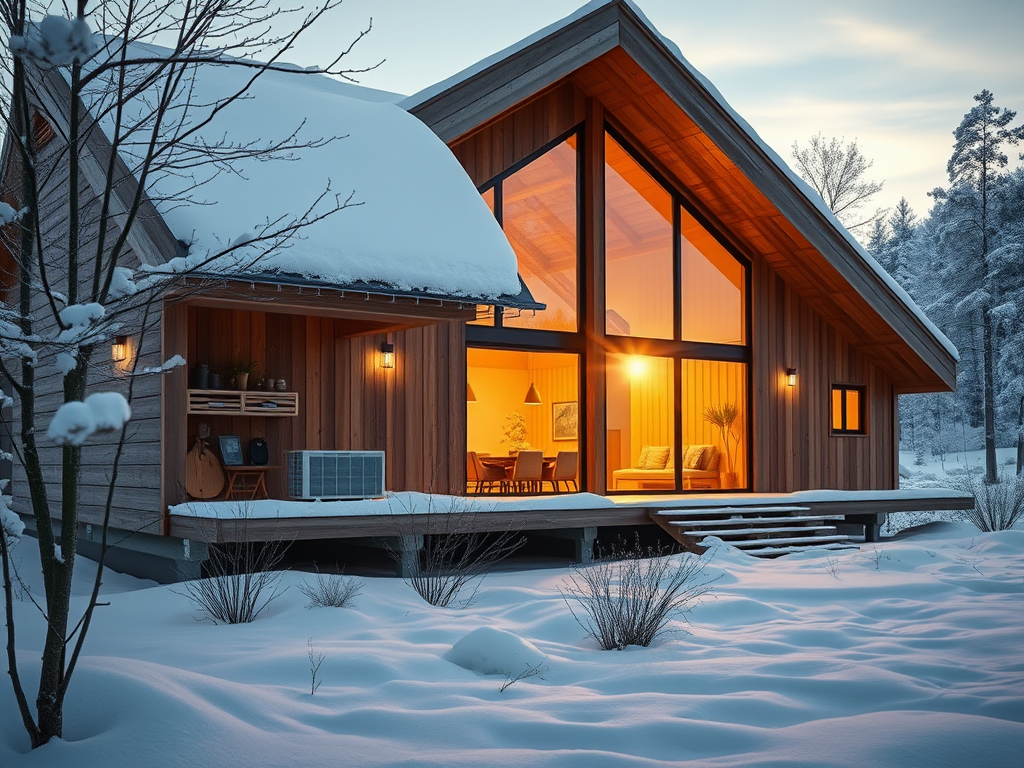
Smart Timber Homes: The Next Evolution in Sustainable Living

This post discusses the evolution of a future-ready timber home, highlighting the integration of AI in design, robot-assisted fabrication, and smart technology. It emphasizes faster construction, circular materials, and enhanced living spaces. The focus is on sustainability, efficiency, and adapting existing technologies to create intelligent, environmentally friendly homes for future generations.

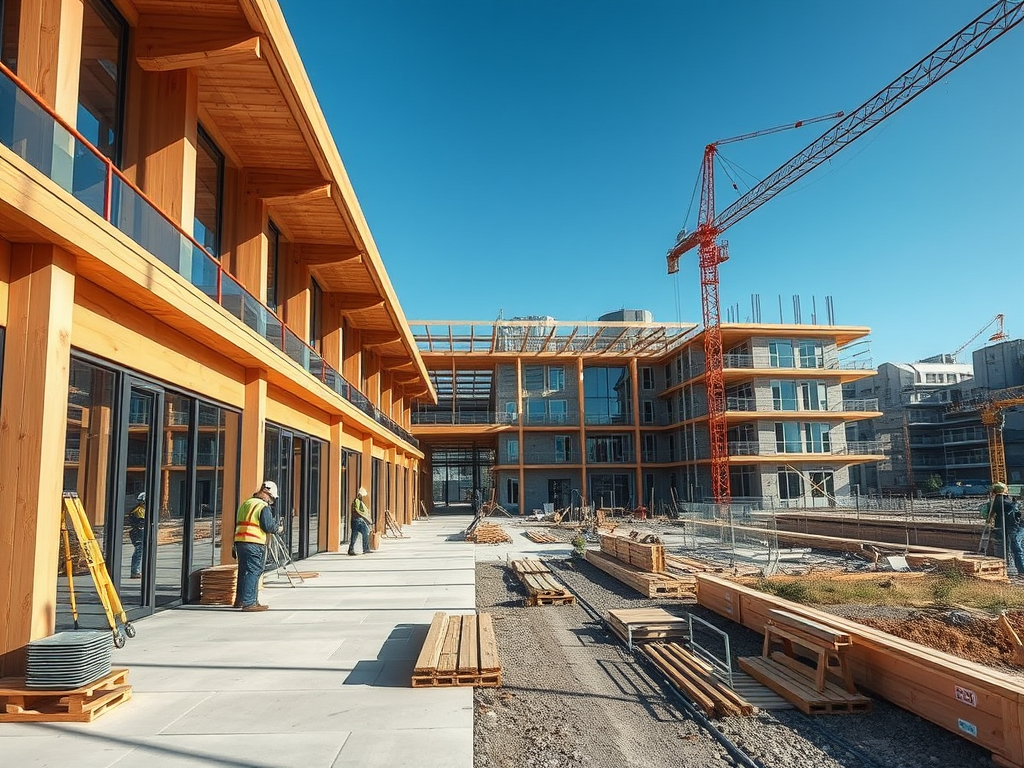
Benefits of Building with Timber Houses

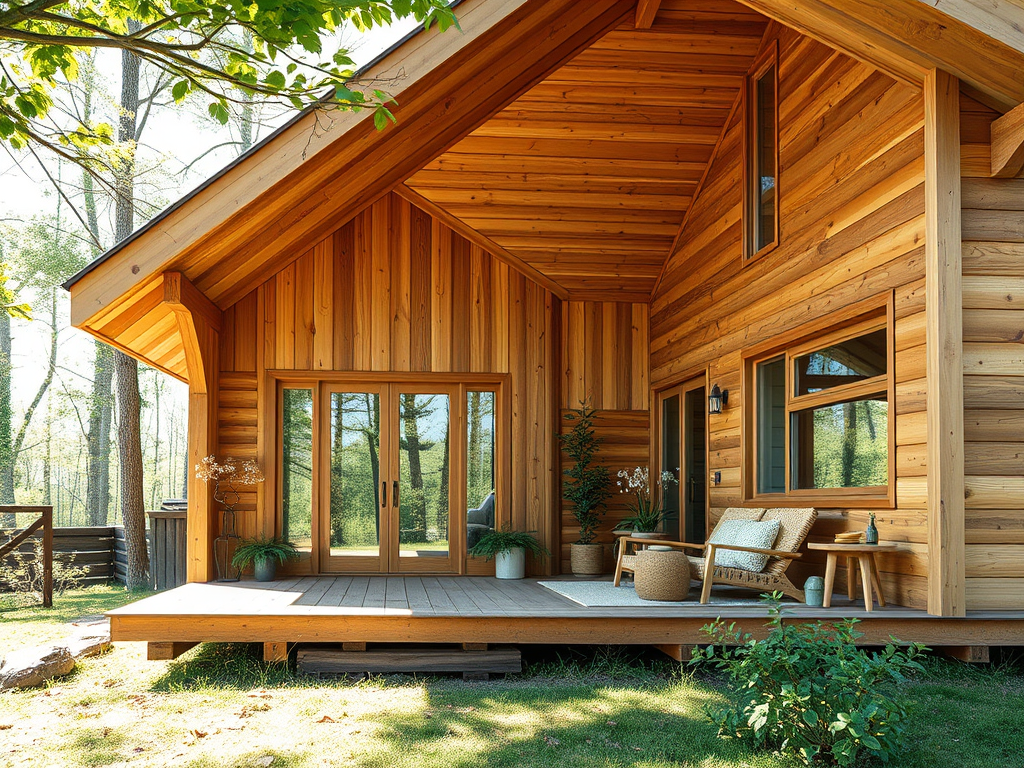
Timber houses, once seen as traditional, are emerging as sustainable, high-performance building options. Modern timber construction utilizes renewable materials and advanced engineering, ensuring lower carbon footprints and better indoor environments. Fire safety, durability, and energy efficiency are addressed effectively, making wooden homes an appealing choice for future-oriented living and environmental responsibility.

High-Tech Cladding: Transforming Building Façades

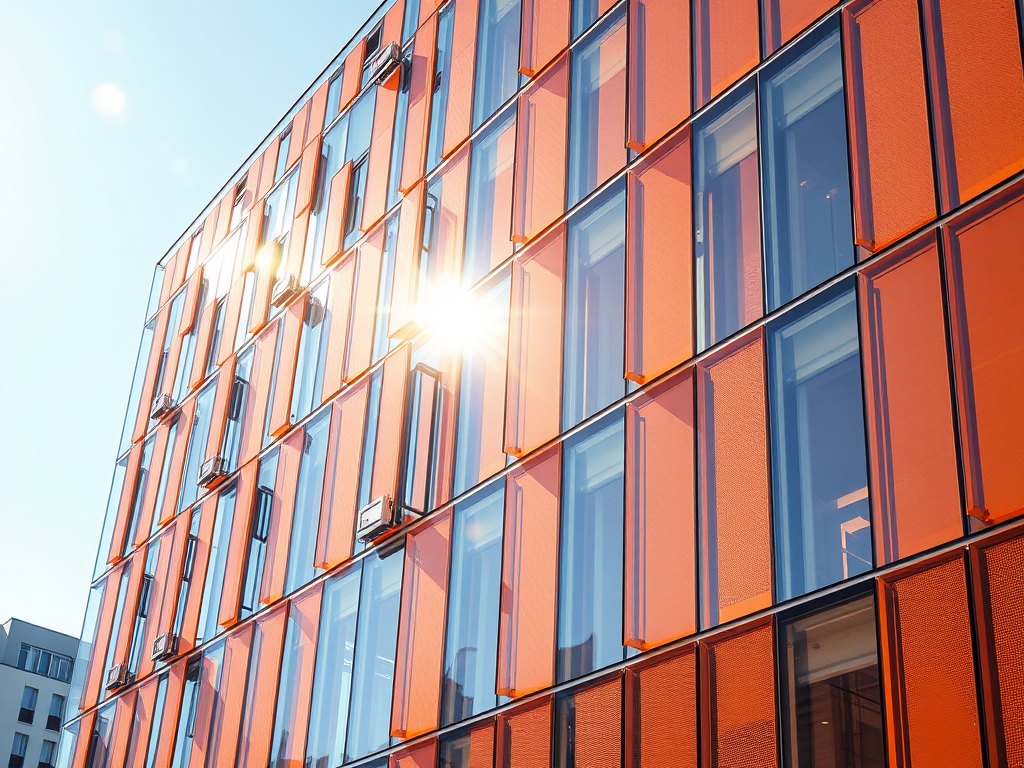
The article discusses the evolution of building façades from simple weather barriers to advanced systems that integrate solar energy, climate management, and data communication. It highlights various high-tech cladding innovations, including photovoltaic panels, dynamic façades, bio-based materials, and sensor-rich technologies, emphasizing performance, sustainability, and long-term value in modern architecture.

Nano-Infused Construction: Innovating Infrastructure for Sustainability

This article examines the merging of nanotechnology and construction technology, highlighting their historical development and current trends. It discusses practical applications such as self-cleaning surfaces and smart materials, while addressing challenges like cost and health risks. The fusion points toward a sustainable future, emphasizing digital integration and enhanced materials for improved construction processes.

The Future of Building Façades: Hybrid Panels and Energy Integration

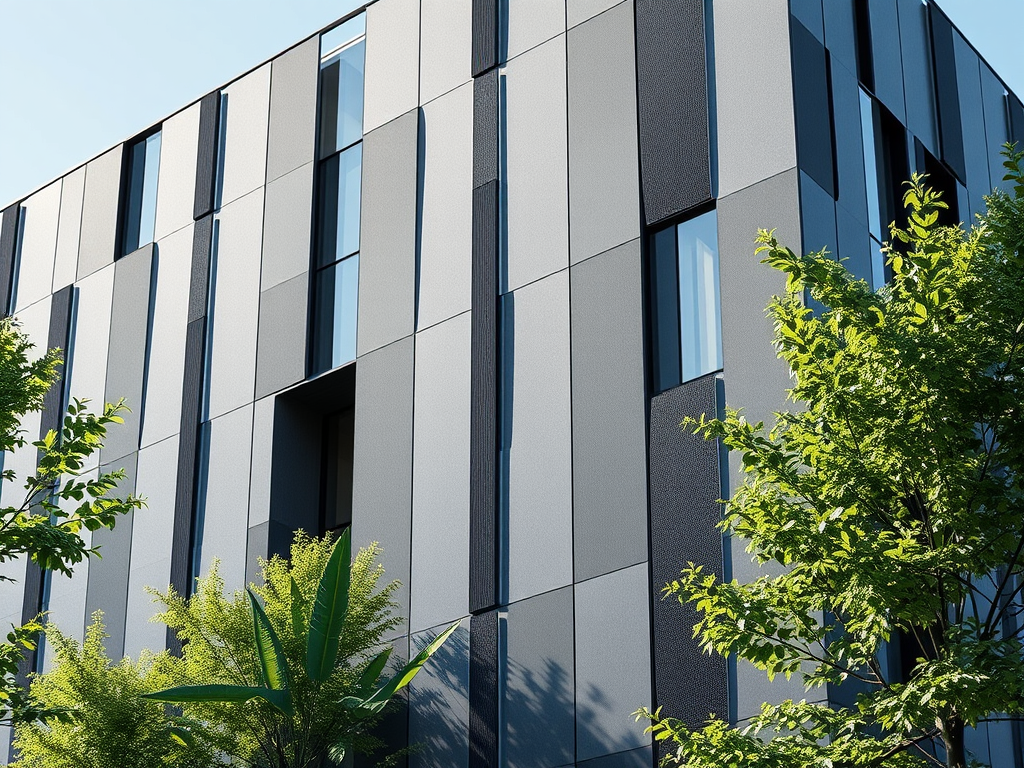
The evolution of hybrid panels and energy-injected cladding represents a pivotal shift in building design, enhancing energy efficiency and reducing carbon emissions. These multifunctional façades integrate energy generation and management within building envelopes, supporting sustainable architecture. Despite challenges like cost and complexity, their relevance grows in achieving decarbonization and occupant comfort.

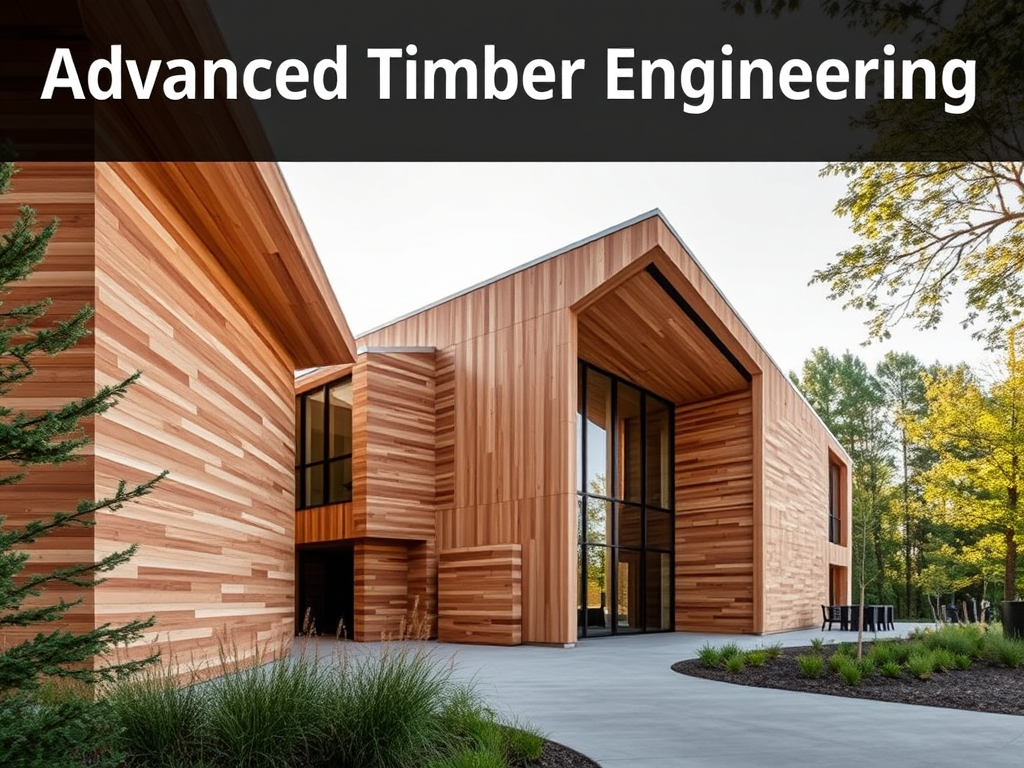
Advanced Timber Engineering: CLT, LVL & Dowel-Lam Explained

Advanced timber engineering, including CLT, LVL, and Dowel-Lam, redefines sustainable construction, merging traditional wood with modern technology. This article explores the history, applications, and future potential of these materials, emphasizing their strength, eco-friendliness, and role in creating resilient, innovative urban environments amidst growing environmental demands.

TEK17 Essentials: A Builder’s Guide to Compliance & Efficiency

TEK17, Norway’s 2017 building regulations, prioritizes safety, accessibility, sustainability, and energy efficiency, aligning with EU standards. It promotes innovation through practical applications, including digital tools and AI integration. The framework facilitates compliance while encouraging creativity, serving as a vital component for constructing a sustainable future in Norway’s architecture.

How to Create a Sustainable Foundation When Building in the Mountains

Building homes in mountain environments combines serenity with ecological challenges due to climate change and population pressures. Sustainable construction practices can significantly reduce impacts, utilizing innovative techniques and materials. By embracing historical wisdom and modern technologies, the goal is to create resilient homes that honor nature and safeguard fragile ecosystems for future generations.

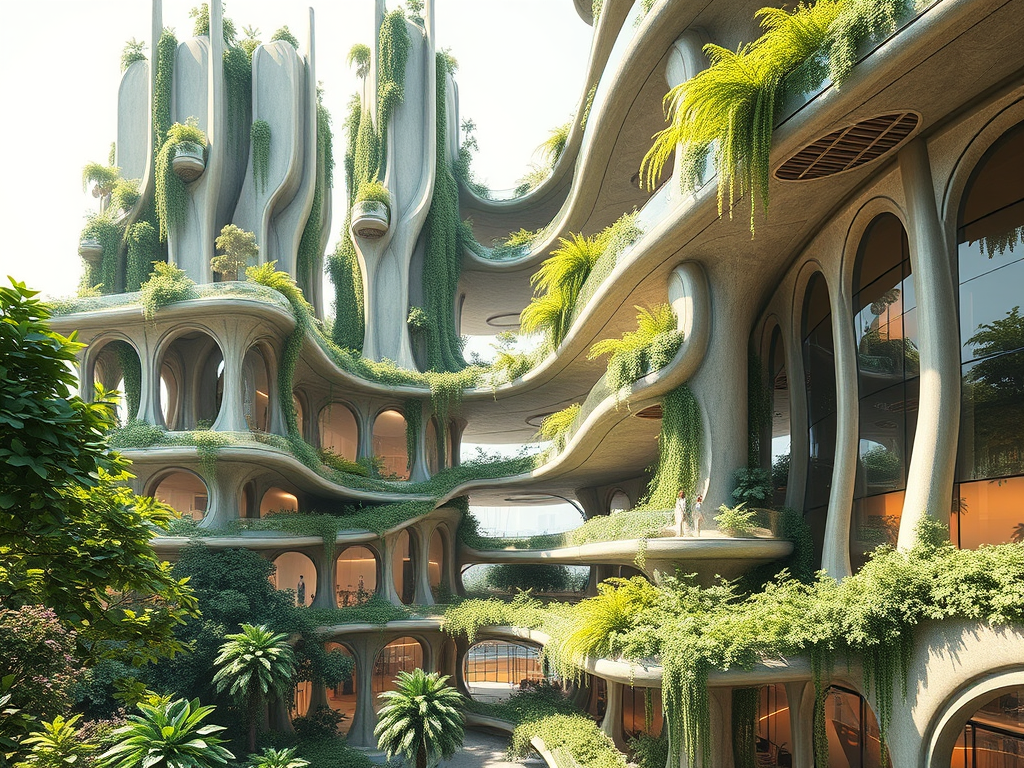
Rewilding Architecture: How Buildings Are Bringing Nature Back to Urban Deserts

The article discusses rewilding architecture, highlighting its role in reviving urban environments by integrating native ecosystems into city designs. As cities face climate challenges and biodiversity loss, innovative green structures like green roofs and living walls offer environmental benefits. Successful projects demonstrate the potential for widespread adoption, fostering a greener future.

Share with