
AI

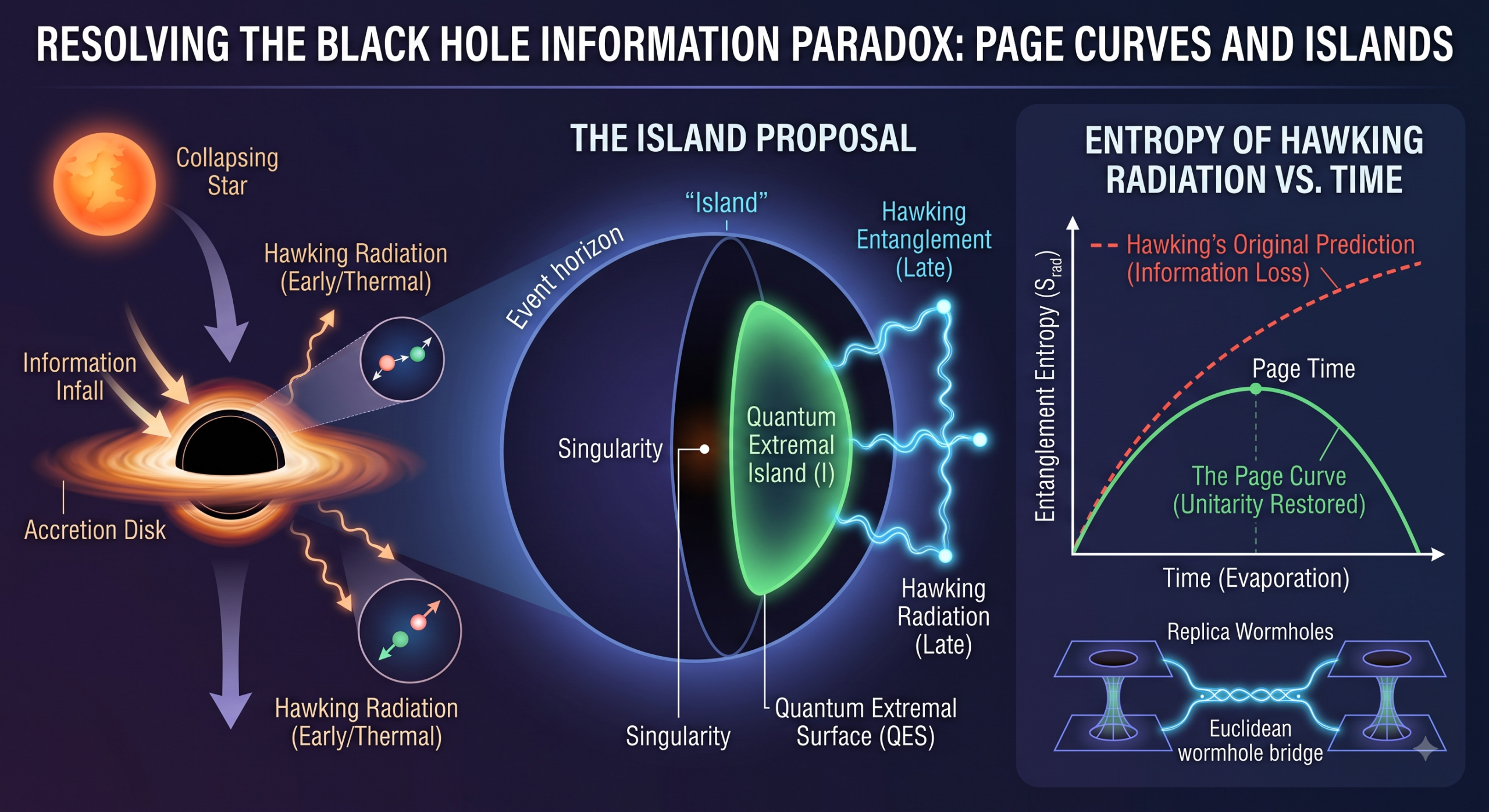
Black Holes, Page Curves and Islands: Has the Information Paradox Been Solved?

Introduction At the intersection of general relativity and quantum mechanics lies a profound contradiction that has plagued theoretical physics for nearly half a century: the black hole information paradox. When a massive star collapses under its own gravitational pull to form a black hole, it leaves behind a region of spacetime so severely warped that, […]

AI Meets String Theory: Mapping Calabi–Yau Spaces and the Quantum Landscape

A research-based professional article, updated 7 August 2026. Citation style: APA 7th edition. Abstract String theory promises a quantum framework in which matter, forces, and gravity arise from a common microscopic structure. Its principal obstacle is no longer merely writing consistent equations; it is determining which of an enormous number of mathematically permitted solutions could […]

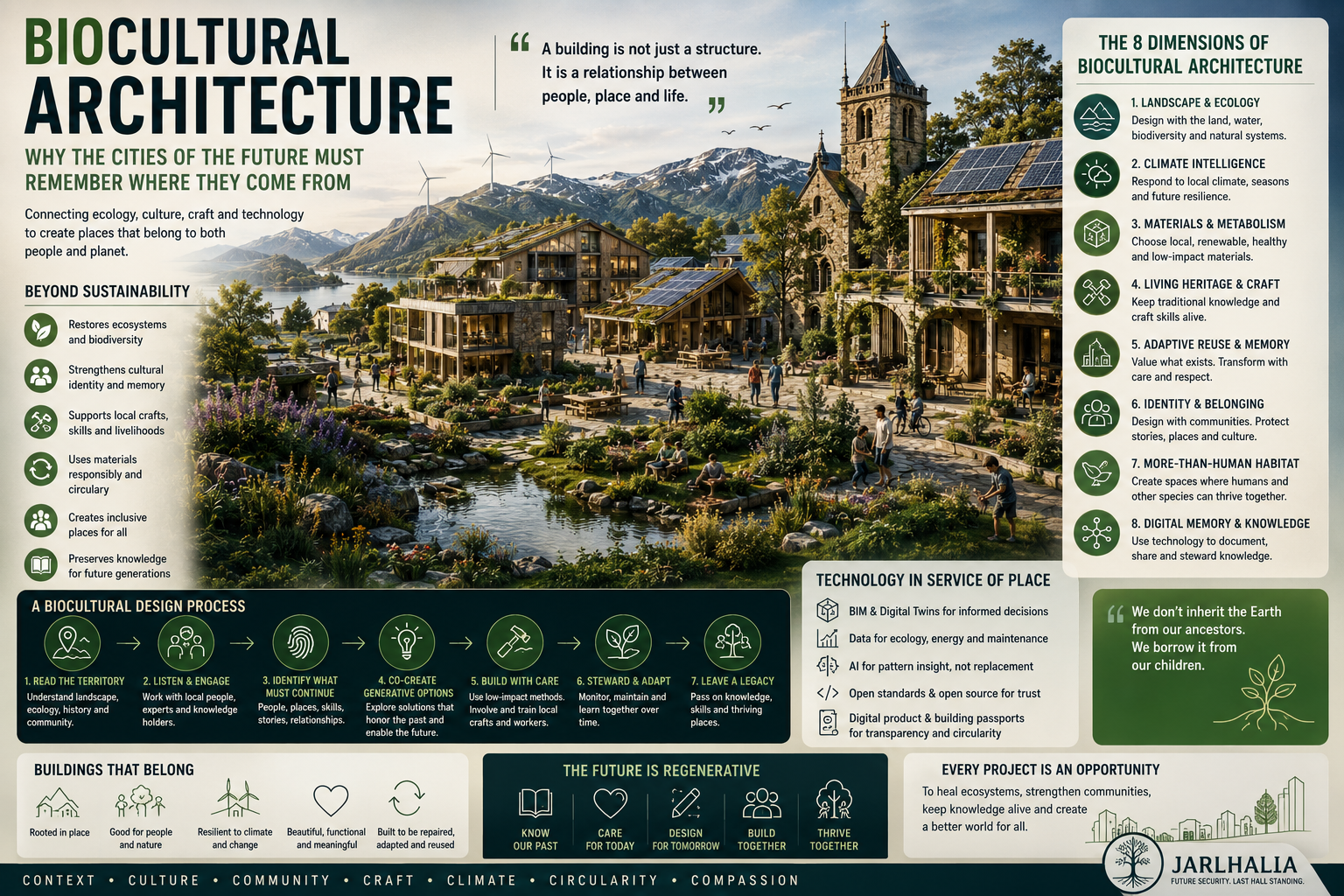
Biocultural Architecture: Why the Cities of the Future Must Remember Where They Come From

How living heritage, ecological intelligence, local materials and digital knowledge can create places that belong to both people and planet SEO title: Biocultural Architecture: Designing Cities with MemoryMeta description: Biocultural architecture connects biodiversity, cultural heritage, local materials, traditional knowledge, circularity and digital technology to create regenerative places rooted in identity.Suggested URL slug: /biocultural-architecture-cities-memory-regenerative-design/Primary keyword: biocultural […]

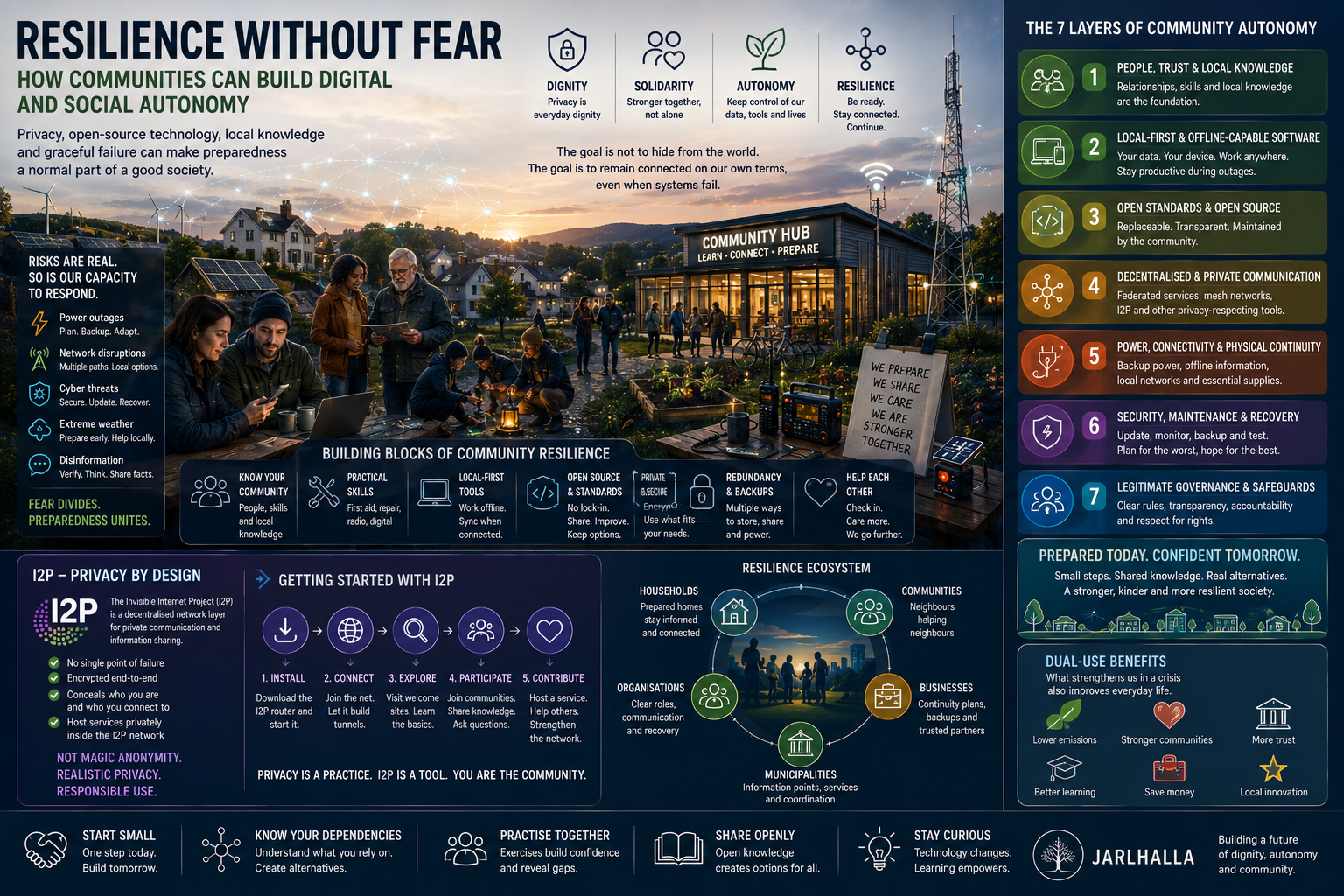
Resilience Without Fear: How Communities Can Build Digital and Social Autonomy

Privacy, open-source technology, local knowledge and graceful failure can make preparedness a normal part of a good society SEO title: Resilience Without Fear: Digital and Community AutonomyMeta description: Discover how communities can build digital resilience through privacy, local-first software, open source, decentralised networks, backup power, trusted information and human cooperation—without fear or isolation.Suggested URL slug: […]

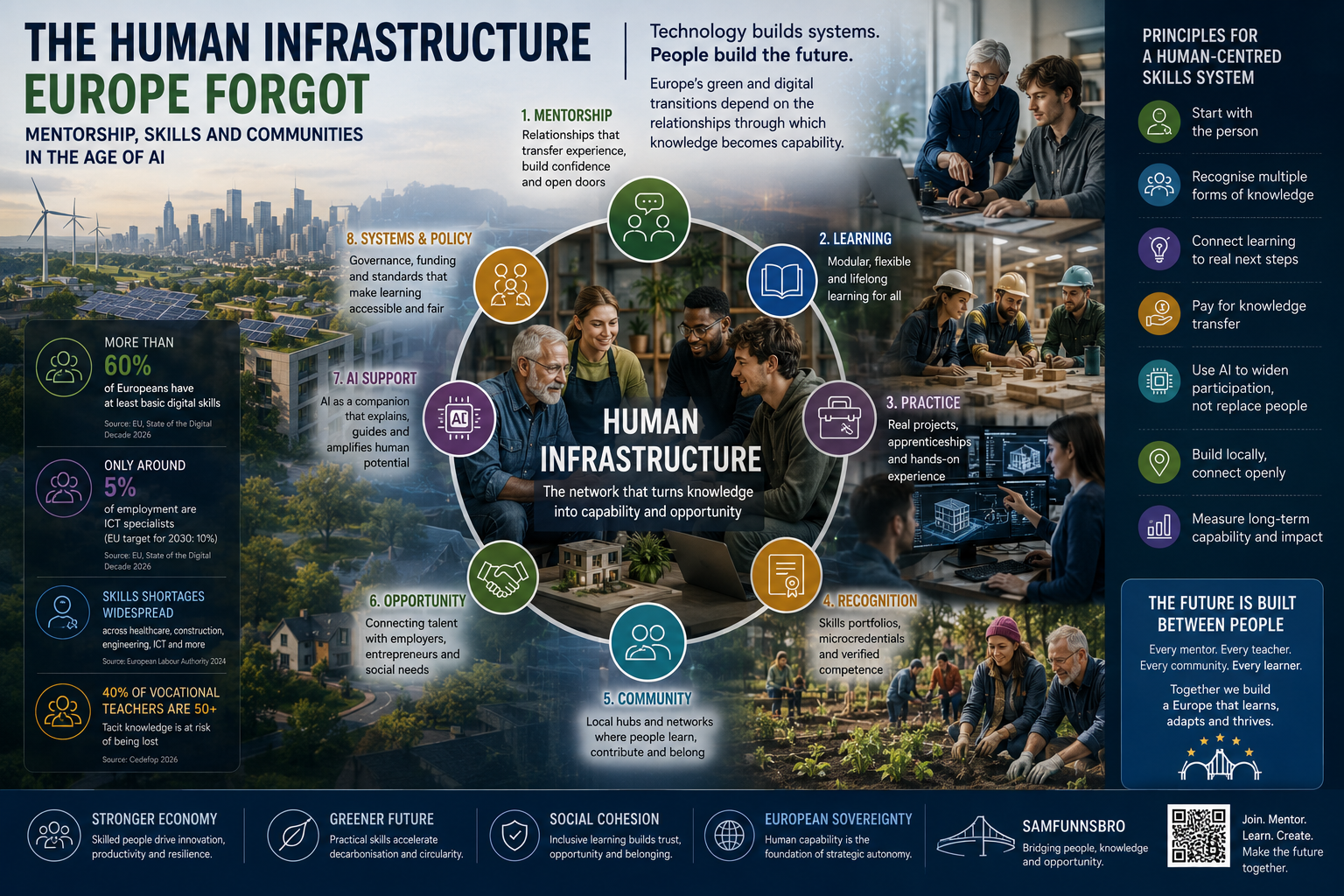
The Human Infrastructure Europe Forgot: Mentorship, Skills and Communities in the Age of AI

Why Europe’s green and digital transitions depend on rebuilding the relationships through which knowledge becomes capability SEO title: Europe’s Human Infrastructure in the Age of AIMeta description: Europe needs more than AI, universities and online courses. Discover how mentorship, apprenticeships, local learning networks and community knowledge can build the skills needed for the green and […]

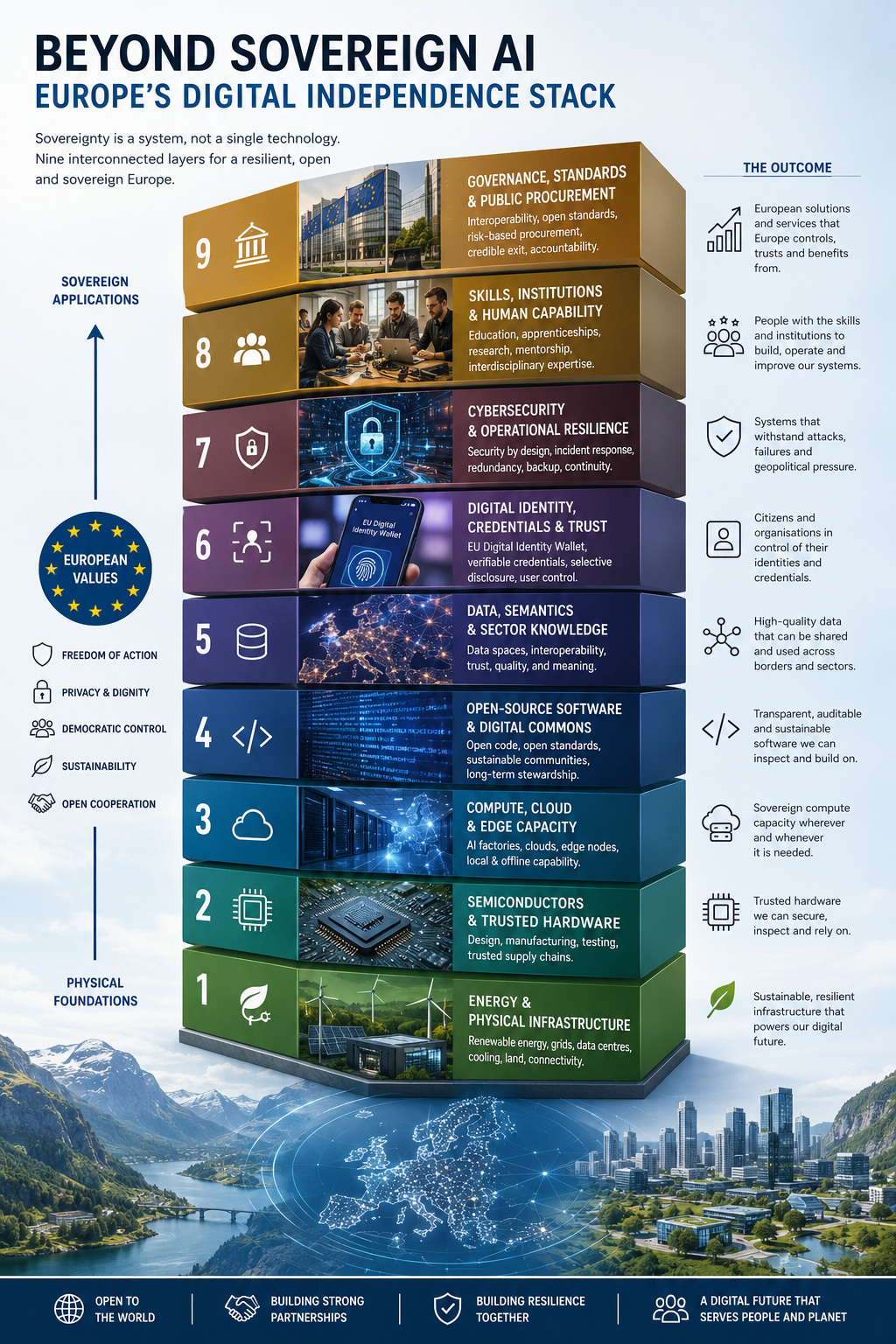
Beyond Sovereign AI: Building Europe’s Complete Digital Independence Stack

Why Europe must control more than artificial intelligence models to preserve freedom of action in the digital age SEO title: Beyond Sovereign AI: Europe’s Digital Independence StackMeta description: European digital sovereignty requires more than local AI models. Explore the complete stack—from energy, semiconductors and cloud to open-source software, data, identity, cybersecurity and skills.Suggested URL slug: […]

Sovereign AI Without Isolation: Building Local Intelligence for a Cooperative Digital Future

Introduction: Why AI Sovereignty Is No Longer Optional Artificial intelligence is quickly becoming one of the core infrastructures of modern civilization. It is no longer only a software category or a productivity tool. It is becoming a layer beneath public administration, healthcare, education, industry, defense, construction, energy systems, science, media, and cultural production. Whoever controls […]

ReDigitalBeing / RoomZero: Building a Responsible Digital-Being Simulation Platform for the Agentic AI Era

Introduction: Why ReDigitalBeing Matters Now ReDigitalBeing is best understood as a research-oriented attempt to answer one of the most important questions in contemporary artificial intelligence: how can we build persistent, emotionally coherent, memory-aware digital beings without pretending they are conscious, uncontrolled, or ethically neutral? Its current technical core, RoomZero, is described in the project repository […]

Let AI Do the Screen Work: Why Computer Technology Should Serve Human Time in Nature

Introduction: The Point of Technology Is Not More Screens The central promise of technology has always been liberation: fewer hours spent on repetitive labor, more capacity for thought, creativity, relationships, and contact with the living world. Yet the computer age has often produced the opposite. Instead of machines quietly handling routine work in the background, […]

Personalized Gene Editing: A Game Changer for Ultra-Rare Disorders

Introduction Personalized gene editing sits at the edge of a profound shift in medicine. For decades, the treatment of genetic disease has been constrained by a hard economic and scientific reality: the rarer the mutation, the less likely it is that a conventional drug-development model will produce a therapy. Pharmaceutical pipelines have historically favored diseases […]

Optimizing Energy Performance with Digital Twins in Norwegian Buildings

This case study illustrates the application of a digital twin in Norway’s building sector, addressing compliance with TEK17 and NS 3701 regulations. The approach ensures continuous monitoring of energy performance, offering improvements like energy savings and enhanced comfort. It aligns with future TEK26 goals for greater digital regulation and automatic compliance checks.

The Age of the Producer: Why Creating—Not Just Consuming—on the Internet is the Ultimate Power Move (Amplified by AI Supertools)

The article emphasizes the importance of transitioning from mere consumers to active producers in the digital age, highlighting how AI serves as a powerful “supertool” that breaks down barriers to content creation. It discusses the benefits of agency, ownership, and economic opportunity while addressing potential challenges in this evolving landscape.

Will the Tech Giants Share AI with the People—or Hoard the Wealth?

The article examines AI’s transformative potential and economic impact, highlighting the significant investments by tech giants. It questions whether AI will promote equality or exacerbate divisions. While some initiatives aim for public benefit, access and innovation remain largely restricted. The future may trend towards a balance between corporate control and open access, driven by public and governmental pressures.

Democratizing AI: Hopes and Challenges

The article discusses the critical issue of equity in the AI revolution, questioning whether tech giants will democratize AI benefits or hoard them. It explores the historical consolidation of tech power, current disparities in access, practical applications in sectors like healthcare and education, and future implications, emphasizing the need for shared technology to foster global progress and sustainability.

Revolutionize Art: AI Image Creation Explained

AI Image Creators are transforming digital creativity by allowing users to generate visual artworks from text descriptions, democratizing artistic expression. These tools employ advanced algorithms to emulate various art styles while incorporating user feedback for personalized outputs. As AI technology evolves, it raises ethical considerations about originality and ownership, necessitating clear guidelines.

Cosmic Bass Voyage: The Mythic-Psychedelic Debut of Psychedelic Joms-Viking

Cosmic Bass Voyage serves as the inaugural single for Psychedelic Joms-Viking, merging Norse mysticism with psytrance. The track blends historical Viking elements with modern sound design, creating an immersive experience meant for both dancefloors and spiritual exploration. It signifies a transformative moment in today’s digital music landscape, fostering myth and connection.

Neurosymbolic AI: Blending Logic and Neural Networks for Explainable Reasoning

Neurosymbolic AI integrates the strengths of symbolic reasoning and neural networks, addressing limitations in both paradigms. By combining adaptive pattern recognition with structured logic, it enables explainable and trustworthy AI applications across healthcare, robotics, and natural language processing. This approach aims to enhance AI’s robustness, generalization, and transparency in critical domains.

The Future of AI-Driven Technology (Part 2)

Artificial intelligence (AI) has evolved into a critical transformative force, impacting various domains including business, healthcare, and society. This article explores AI’s historical context, current applications, and future implications while emphasizing the importance of ethical considerations and interdisciplinary approaches. Successful strategies, such as Norway’s national AI strategy, highlight the need for responsible integration of AI technologies.

The Future of AI-Driven Technology: A Comprehensive Exploration

Artificial Intelligence (AI) is a transformative force reshaping industries and human interactions. Originating in the mid-20th century, AI has evolved significantly with advancements like machine learning and deep learning. Its applications span healthcare, finance, and transportation, raising ethical concerns about privacy and job displacement. The future presents both challenges and opportunities for equitable innovation.

Integration of AI in Consumer Electronics: Enhancing User Experiences and Shaping the Future of Technology

AI has increasingly integrated into consumer electronics, enhancing functionality, personalization, and user interactions across devices like laptops, gaming consoles, and smart home appliances. This trend promotes automation and intelligent assistance, while also raising challenges related to privacy, ethics, and complexity. The future promises even deeper AI integration, revolutionizing daily experiences.

The Algorithmic Therapist: AI’s Double-Edged Sword in the Mental Health Revolution

The article discusses the paradox of increasing global connectivity alongside a rise in mental health issues, highlighting nearly one billion people affected. It explores AI’s role in mental healthcare, offering hope for accessible treatment while raising ethical concerns about privacy, bias, and human connection. A responsible integration of AI is crucial for future mental health.

Advancements in Explainable AI (XAI): Ensuring Transparency and Trust in AI Systems

As AI integrates into critical sectors like healthcare and finance, the field of Explainable AI (XAI) emerges to enhance transparency in decision-making. XAI aims to build trust and fairness by making complex AI systems interpretable, addressing challenges such as the trade-off between model performance and explainability, and ethical biases.

Agentic AI and the Emergence of the Agentic Web: A Comprehensive Exploration

The article by Dr. Journalister Mary explores the evolution of agentic artificial intelligence and the development of the “Agentic Web.” It discusses how these autonomous AI agents, capable of independent decision-making and collaboration, can revolutionize business, governance, and societal functions. The piece highlights current applications, challenges, and the future implications of this technological shift.

Share with