Health

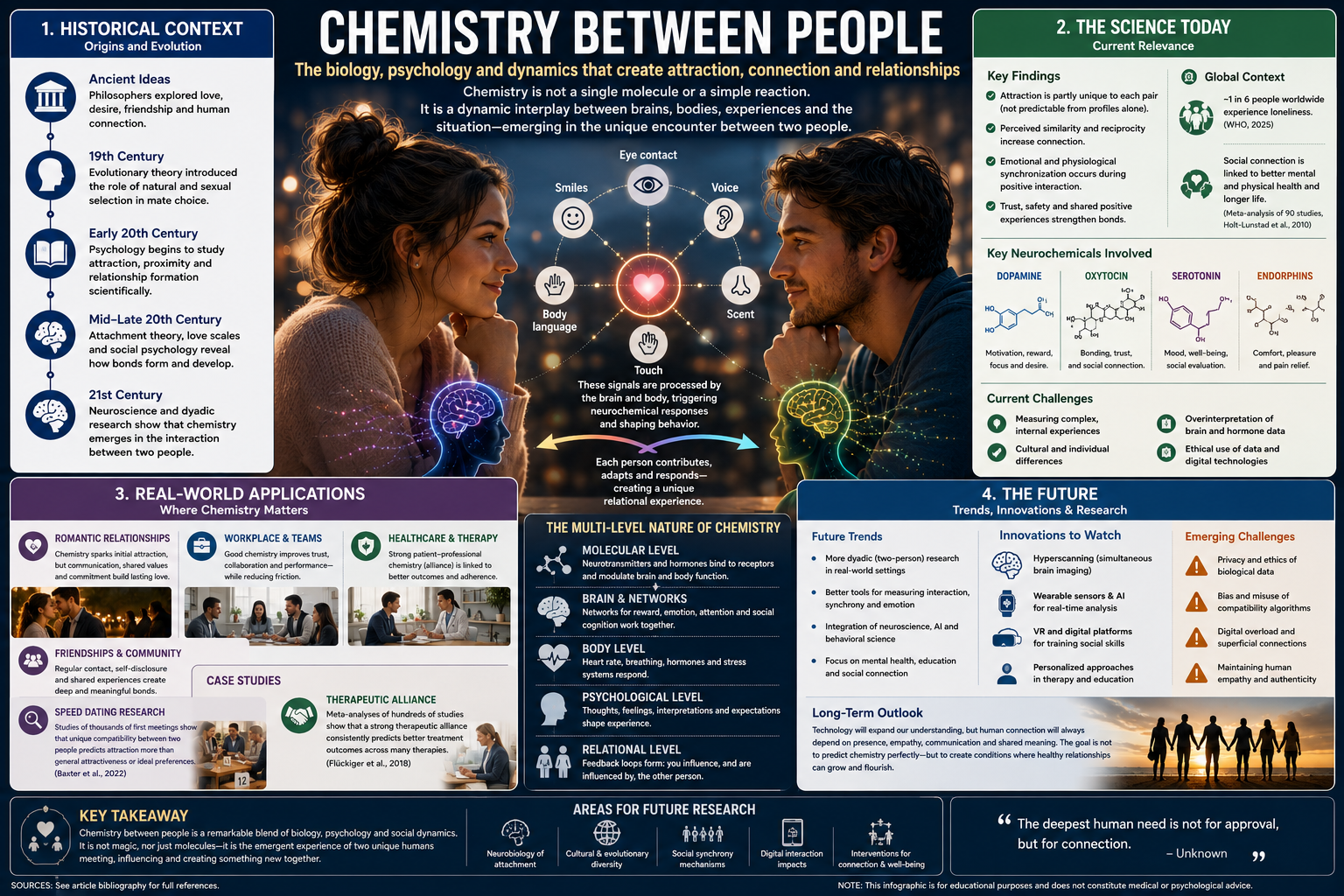
Chemistry Between People: A Comprehensive Analysis of Attraction, Connection, and Interpersonal Resonance

Introduction “Chemistry between people” describes a feeling that the interaction between two people flows particularly well. It can feel like immediate attraction, security, curiosity, familiarity, sexual excitement or a feeling of being on the same wavelength. The expression is used romantically, but also about friendship, cooperation, teaching, leadership, therapy and meetings between health personnel and […]

The Chemistry of Love and the Biology of Smiling: Evolution, Human Con Two Ordinary Experiences with Extraordinary Biology

A person enters a room, notices someone they love, and smiles. The other person smiles back. The exchange may last less than a second, yet beneath it lies an intricate sequence of perception, memory, muscle activation, autonomic regulation, reward processing, social interpretation, and emotional prediction. What appears simple is biologically complex. Love is not a […]

The Diamond Within: Cultivating Inner Brilliance Through Emotional Intelligence, Cognitive Clarity, Resilience, and Authentic Action

Introduction: Human Brilliance Is Not Something We Either Possess or Lack A diamond does not create light. It receives light, refracts it through its internal structure, and returns it to the world in a more complex and radiant form. The metaphor is useful because human brilliance works in much the same way. What we call […]

Hvorfor Norge trenger en SamfunnsBro mellom mennesker, arbeid og muligheter

En bro for mennesker som vil videre I en tid der verden endrer seg raskere enn noen gang, trenger vi nye måter å koble mennesker sammen på. Teknologi utvikler seg. Arbeidslivet endrer seg. Mange står utenfor, noen føler seg alene, og andre sitter med kunnskap, erfaring og ressurser som kunne vært til stor hjelp for […]

The Mycelial Mind: History, Neuroscience, and the Future of Psilocybe in a Disconnected World

Introduction: The Intelligence Beneath Our Feet If the mountain has a face, as our previous exploration suggested, then the earth itself possesses a neural network. Long before the first hominids walked upright, long before the first stones were stacked to create shelter, the planet was wired with an intelligence of astonishing complexity: the mycelial network. […]

Deep Research Brief: The Potential of Mycelium

Executive Summary Mycelium has large potential, but not in one single “miracle” direction. Its strongest near-term potential is in soil health, ecological restoration, sustainable packaging, insulation, alternative protein, enzyme production, and selected bioremediation uses. Its more speculative potential lies in structural building materials, leather-like fashion materials, living electronics, large-scale carbon sequestration, and “wood-wide web” forest […]

The Ultimate Guide to the Mycelium Network

How Fungi Connect Forests, Feed Plants, Build Soil, Store Carbon, and Challenge How We Think About Life Underground Introduction: The Living Internet Beneath Our Feet Step into a forest and most of what matters is invisible. Above you are trunks, leaves, moss, birds, insects, and shafts of light. Beneath you is another world: threads thinner […]

Let AI Do the Screen Work: Why Computer Technology Should Serve Human Time in Nature

Introduction: The Point of Technology Is Not More Screens The central promise of technology has always been liberation: fewer hours spent on repetitive labor, more capacity for thought, creativity, relationships, and contact with the living world. Yet the computer age has often produced the opposite. Instead of machines quietly handling routine work in the background, […]

Auditing the Latest BCI Breakthroughs: What Has Actually Changed, What Still Fails, and Why This Moment Matters

Introduction Brain-computer interfaces, or BCIs, are often described in language that is either embarrassingly inflated or embarrassingly outdated. In one direction lies the fantasy of effortless “mind reading.” In the other lies the stale assumption that BCIs are still little more than laboratory cursor tricks with no serious translational future. Both views are wrong. The […]

Ultra-Processed Foods: The New Focus of Nutrition Policy

Ultra-Processed Foods Chapter 2. What counts as ultra-processed food (and why definitions cause arguments) If Chapter 1 was the “why now,” Chapter 2 is the “what exactly.” And here’s the uncomfortable truth: the argument over ultra-processed food is, first and foremost, an argument over definitions. That may sound like academic hair-splitting. But realize that definitions […]

Ultra-Processed Foods: The New Focus of Nutrition Policy

The series explores the significance of ultra-processed foods in nutrition policy, notably through the lens of the 2025–2030 U.S. Dietary Guidelines. It highlights rising consumption rates and health implications in both the U.S. and Norway while suggesting practical strategies for improving diet quality and understanding food classifications, balancing simplicity with nuance.

Navigating 2026: Essential Guidance for Personal Growth

By 2026, global conditions will demand strategic personal choices due to rising geopolitical tensions, economic shifts, and environmental risks. This article outlines ten key priorities for resilience and impact, including reassessing goals, enhancing digital literacy, securing data, and fostering health and community ties, emphasizing proactive adaptation for future challenges.

Exploring Poverty in Affluent Nations: A Hidden Crisis

The exploration highlights the paradox of poverty existing within wealthy nations, emphasizing that wealth does not eliminate deprivation. Using Norway as a case study, it examines historical roots, contemporary forms, and implications of relative poverty. The analysis underscores the psychological and social impacts, advocating for innovative policies and empathy to bridge the gap.

Maximizing Energy Efficiency with Sustainable Roof Systems

Roofs are essential for more than shelter; they regulate temperature, manage water, and support energy systems. Sustainable roof construction integrates historical lessons, current practices, and future innovations. This article emphasizes the importance of roofs in urban resilience, energy efficiency, and resource management, urging a holistic approach to design and implementation.

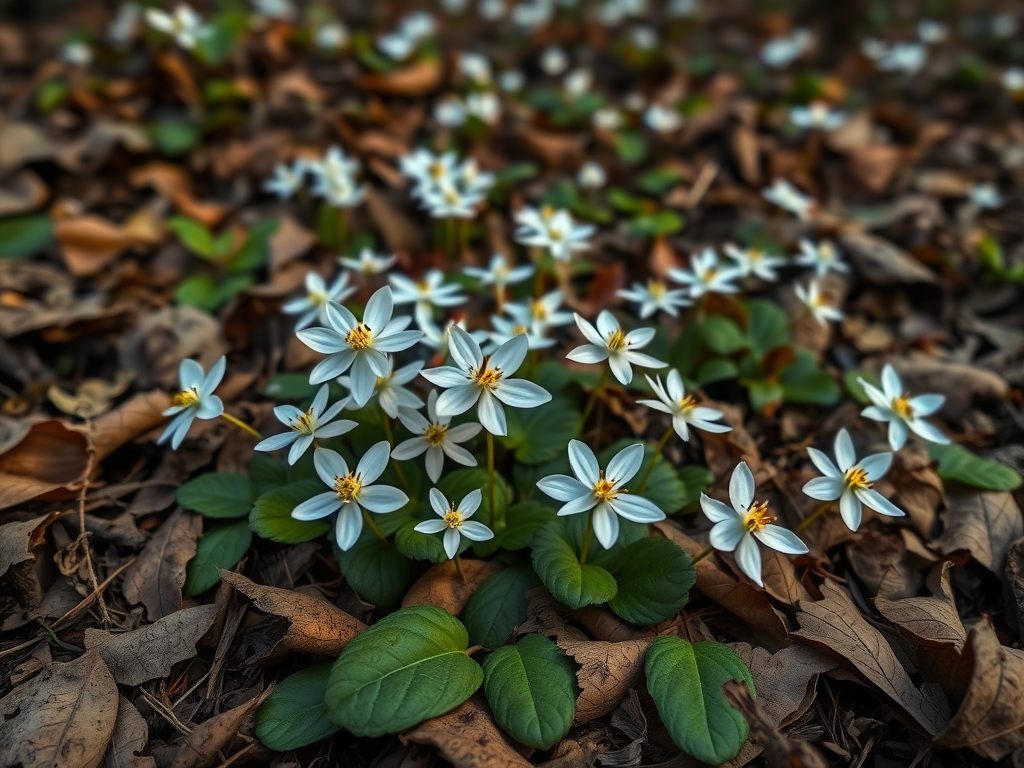
A Love Letter with Caveats: Why I Celebrate – and Respect – the Wood Anemone (Anemone nemorosa)

Hvitveis, or wood anemone, symbolizes spring but poses significant toxicity risks that undermine its historical medicinal use. Despite its beauty and cultural significance, modern medicine offers safer alternatives. The plant’s ecological value lies in its role as an indicator of woodland health, warranting admiration without the temptation for self-medication.

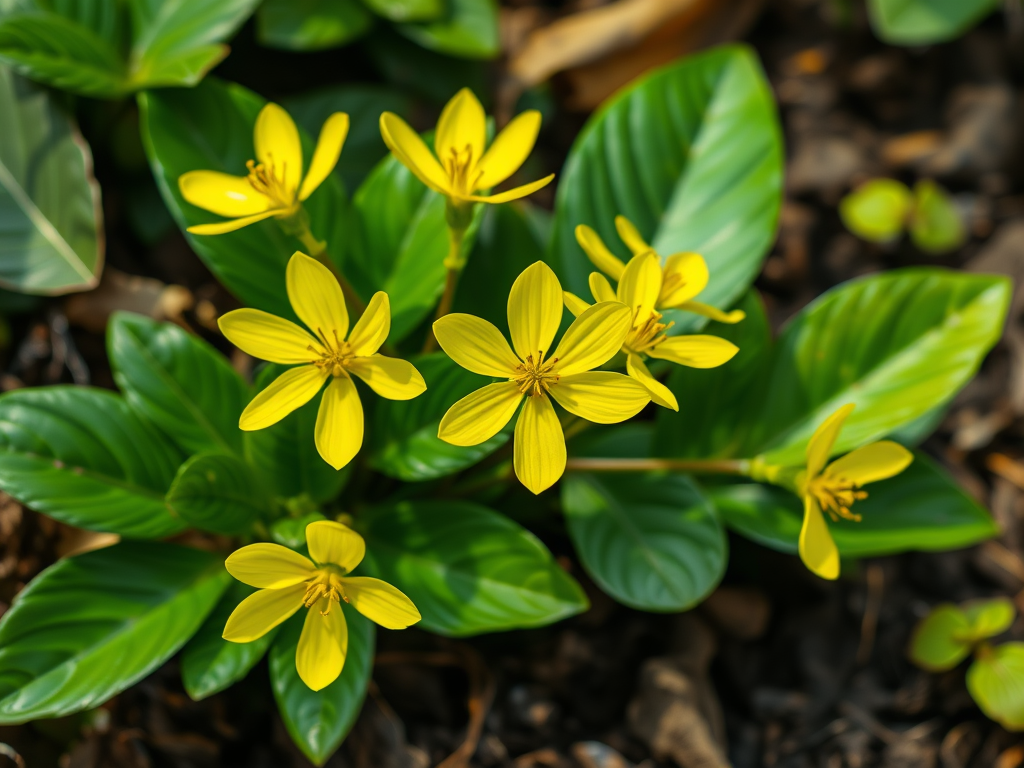
Exploring the Pharmacological Effects of Ficaria Verna

Introduction Lesser celandine (Ficaria verna Huds., syn. Ranunculus ficaria L.) is one of the first wildflowers to pierce the soil in early spring, carpeting European woodlands and stream banks with glossy yellow blossoms. Behind its cheerful appearance, there is a plant of considerable pharmacological interest. It has complex chemistry. Its reputation oscillates between being a […]

Lily of the Valley: A Medicinal and Toxic Botanical Wonder

Lily of the valley (Convallaria majalis) is a beautiful yet toxic perennial known for its fragrant white flowers. This article discusses its botany, pharmacological properties, medicinal uses, and significance in culture and horticulture. The plant’s toxicity requires careful handling, underscoring its dual nature as both a captivating and dangerous flora.

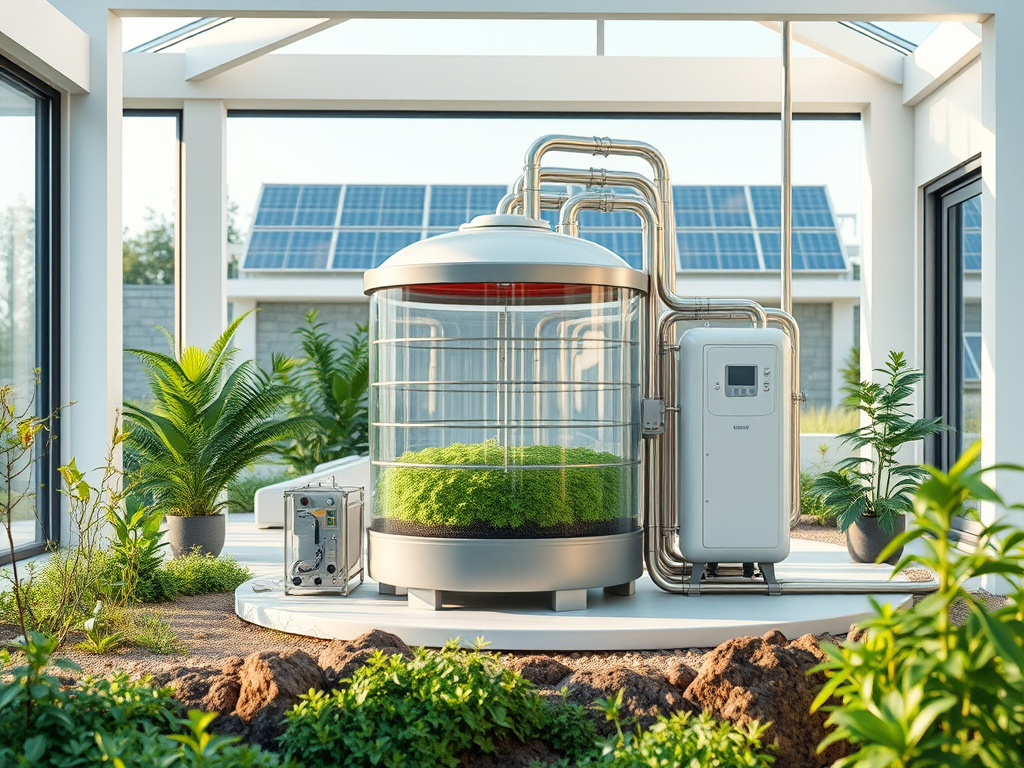
Bioreactors vs Geothermal: Competing Pathways to Sustainable Energy for Future Homes

The article discusses innovations for sustainable housing, focusing on bioreactor-based energy systems and geothermal heat exchange as complementary technologies. It examines their historical evolution, modern applications, and potential integration in smart homes. The future of sustainable architecture hinges on hybrid systems that leverage these methods for net-positive energy and ecological resilience.

Silicon’s Hidden Cycle: From the Earth’s Interior to Man’s Cells

Silicon, abundant yet often neglected, plays a crucial role in both technology and human health. Its historical significance spans from ancient cultures to modern advancements. However, contemporary water supply practices prioritize pure, mineral-poor water for humans while reserving mineral-rich groundwater for industries, disrupting natural mineral balances essential for well-being.

Daphne Mezereum: An Exploration of the Enigmatic Paradise Plant

Daphne mezereum, or mezereon, is a toxic shrub native to Europe, North Africa, and Western Asia, admired for its pink flowers and harmful berries. Historically used in folk medicine, it poses serious health risks due to potent toxins. Caution is essential when handling this attractive, yet dangerous plant, known for its duality.

MDMA in Depression Treatment: Is This the Dawn of a New Era in Mental Health Care?

At Østfold Hospital in Norway, a study involving 12 patients with severe depression explored MDMA-assisted psychotherapy, challenging traditional treatment methods. Results indicated that 75% experienced significant improvement, suggesting MDMA may act as a powerful therapeutic tool. This research highlights the need for innovative approaches in mental health treatment amidst rising depression rates globally.

The Silent Pandemic: Confronting Antimicrobial Resistance in the 21st Century

Antimicrobial resistance (AMR) threatens modern medicine, causing millions of deaths and massive economic burdens. Drivers include overuse of antibiotics and stalled innovation. Regional disparities exist, particularly in low-resource settings. Urgent actions are needed from governments, the pharmaceutical industry, and healthcare providers to preserve antibiotic efficacy and safeguard medical progress.

Understanding UVA and UVB for Better Sun Protection

Sunscreen is essential for sun protection, yet misconceptions can undermine its effectiveness. SPF indicates UV protection, not duration of sun exposure. Both UVA and UVB rays damage skin. Consistent application, even on cloudy days, is vital. All skin tones need protection; misconceptions about vitamin D and activation time persist. Sunscreen is crucial in preventing skin cancer.

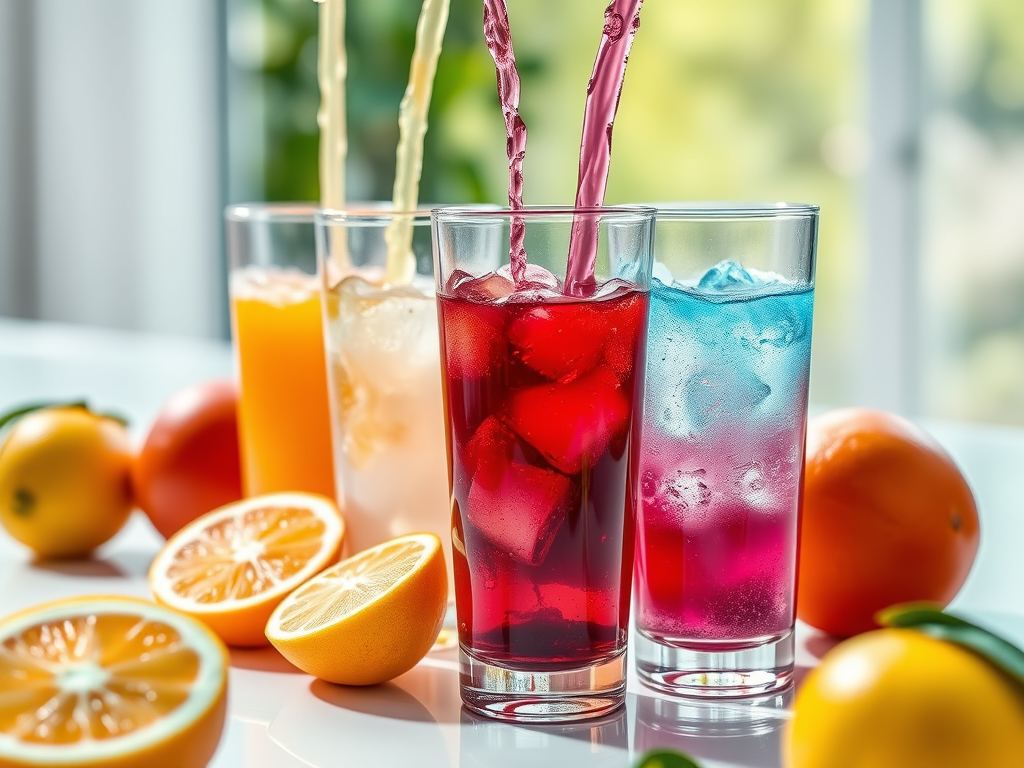
Electrolytes Explained: When and Why You Need Them

This article examines the science, history, and future of hydration, debunking myths about sports drinks while emphasizing that plain water often suffices for most individuals. It highlights the market dynamics of electrolyte products and critiques environmental impacts, suggesting technology-driven personalized hydration as a promising future direction.

Share with