
Health

Revitalize Your Life: The Power of Walking Daily

Walking, a fundamental human activity, is essential for physical, mental, and societal well-being. This article explores its historical significance, health benefits, and societal impacts while emphasizing the importance of walkable cities. Practical strategies for integrating walking into modern life are provided, underscoring its potential as a transformative health intervention for individuals and communities.


The Search for Meaning: Overcoming Life’s Confusion

Humans navigate life without an inherent script, contrasting with instinct-driven animals. This discrepancy leads to the quest for purpose, a journey marked by introspection, self-discovery, and external pressures. Embracing childhood inclinations and overcoming societal noise are vital to fostering a meaningful existence aligned with one’s authentic self.

Transform Your Thinking: Overcoming Cognitive Biases

Cognitive biases are mental shortcuts that influence decision-making and perceptions, rooted in evolutionary survival instincts. While beneficial historically, these biases now often mislead, impacting personal and societal dynamics. Recognizing and overcoming these biases is essential for improved understanding, creativity, and unity, prompting deeper self-awareness and transformative action in various aspects of life.

Time: A Dimension or an Illusion?

The exploration of time challenges our understanding, presenting it not as a constant flow, but as a dimension intertwined with space. Theoretical physics, particularly Einstein’s relativity, reshapes our perception, suggesting time’s fluidity and relativity. This perspective impacts philosophy, creativity, and technology, urging us toward a more interconnected, timeless existence.

6 Verbal Tricks to Make an Aggressive Person Sorry: A Comprehensive Guide

This article addresses the challenge of aggressive communication across various settings, providing strategies to handle such interactions gracefully. It explores recognizing aggressive tactics, avoiding conversational traps, and employing techniques like body language and emotional intelligence. The aim is to transform confrontations into opportunities for connection, fostering a collaborative dialogue and enhancing emotional literacy.

Our Shared Health in a Decisive Decade: Worldwide Health and the Coming Challenges

The article reviews global health progress over the last two centuries, highlighting significant advancements and emerging challenges. It emphasizes the impact of climate change, the rise of non-communicable diseases, antimicrobial resistance, and misinformation. A call to action includes enhancing primary care, expanding coverage, and utilizing new technologies responsibly for future resilience.

The Cosmos, Quantum Space, Psychology, and Music Energy: A Vast and Harmonious Interconnection

Introduction: Bridging the Macro and Microcosms of Existence Humanity has forever been enchanted by the mysteries of the cosmos and the infinitesimally small wonders of quantum space. Simultaneously, we have tirelessly sought to understand our inner worlds—our psychology—and the power of intangible forces like music that profoundly affect our mental states. Fascinatingly, these seemingly disparate […]

Why Zodiac Signs Still Matter in 2025

The article explores the enduring appeal of astrology, contrasting its ancient origins with modern applications. It discusses how astrology operates as a symbolic language rather than a science, appealing to human psychology. While it offers insights and serves as a narrative tool, the piece warns against relying on it for critical life decisions.

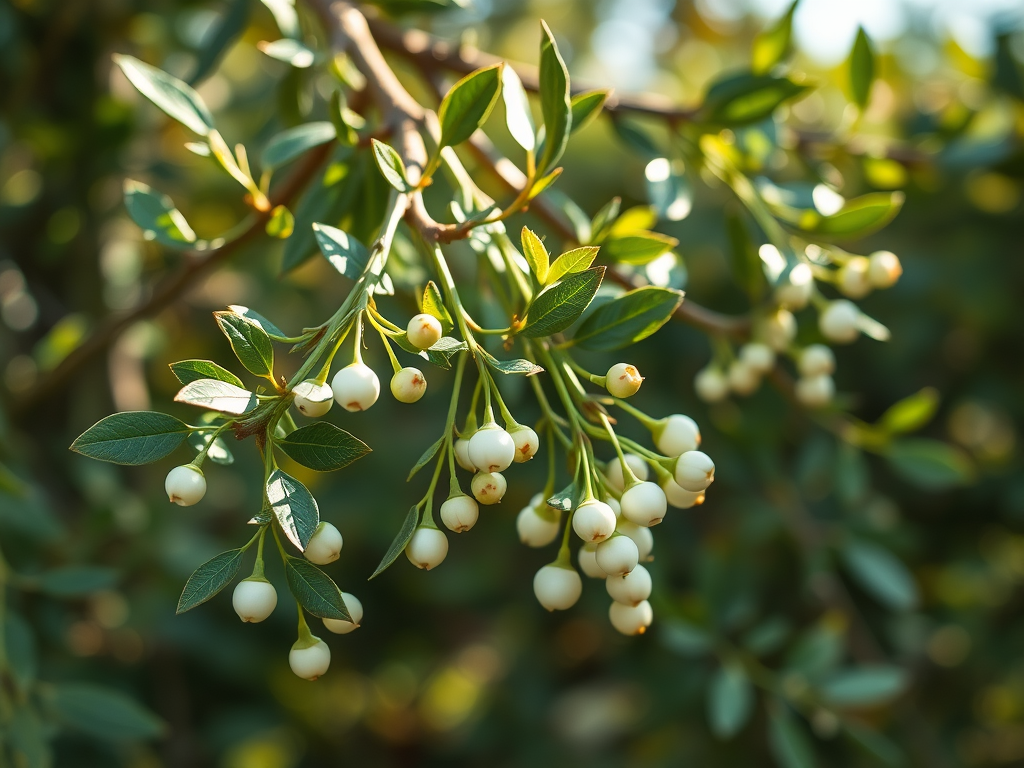
European Mistletoe (Viscum album L.): A Harvard-Style Overview for Clinicians, Herbal Practitioners, and Informed Patients

European mistletoe (Viscum album), an evergreen hemi-parasitic shrub, has traditional uses in folklore and medicine, and is now explored in integrative oncology. This article discusses its botanical profile, pharmacology, traditional uses, safety, and its role in cancer treatment, highlighting the need for further clinical research and standardisation.

Corn Cockle (Agrostemma githago): A Comprehensive Harvard-Style Review

Corn cockle (Agrostemma githago) is a toxic archaeophyte that flourished with early agriculture but declined with modern farming practices. Its seeds contain harmful saponins, leading to contamination risks in flour. While prohibited in therapeutics, it holds ecological value, prompting a conservation paradox as it’s endangered yet protected in some regions.

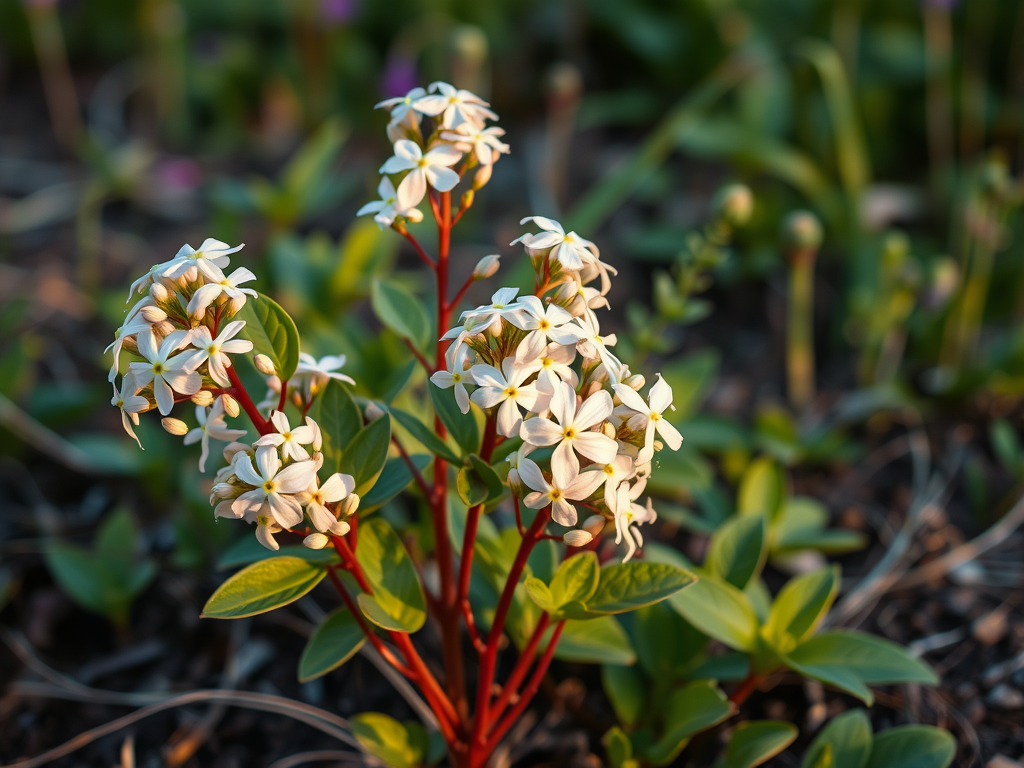
Soapwort (Saponaria officinalis): An Old-World Herb the 21st Century Shouldn’t Ignore

Soapwort, a versatile perennial plant, serves various roles from a gentle detergent for textiles to a mild expectorant in herbal medicine. This article explores its historical significance, chemical properties, safety considerations, and practical applications, advocating for responsible use and research into its potential benefits for sensitive skin and respiratory health.

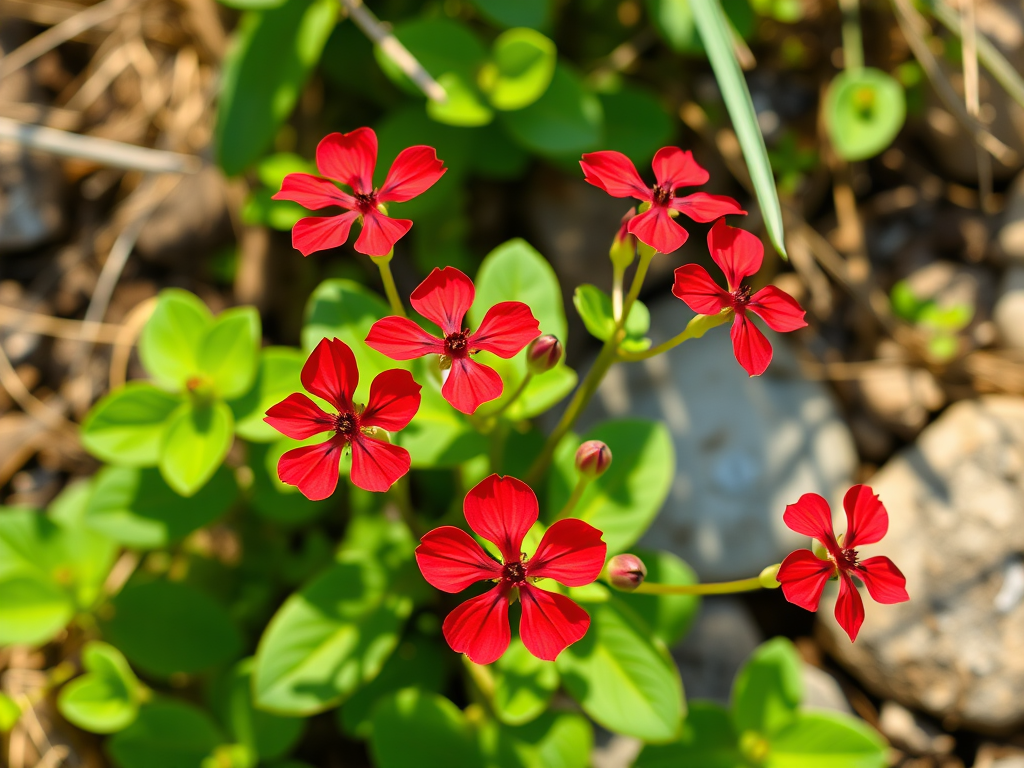
Scarlet Pimpernel (Lysimachia arvensis): From “Weatherglass” to Bioresource—A Proper, Evidence-Led Guide

Scarlet pimpernel, historically valued for its medicinal properties, is now often regarded as a weed despite its ecological and cultural significance. This review encompasses its botany, cultivation, and safety concerns, emphasizing diligent identification and controlled research while advocating for responsible management to appreciate its beauty without compromising safety and health.

An Alpine Underdog Worth Knowing: Rypebær (Arctous alpina) Explained Through the Toulmin Model

Rypebær (Arctous alpina) is a low-growing shrub with black berries valued for their nutritional and ecological benefits. This document explores its culinary potential, antimicrobial properties, and ecological significance using the Toulmin model. It emphasizes careful identification and ethical foraging, highlighting its role in sustainable Nordic gastronomy and the importance of correct taxonomic classification.

Education and Workforce Evolution: Preparing for an Emotional Economy

The emotional economy is emerging as a critical landscape where Emotional Intelligence (EQ) supersedes traditional job skills. As automation transforms work, empathy and interpersonal abilities become essential. This necessitates a shift in education towards Social-Emotional Learning (SEL) to prepare individuals for future challenges, emphasizing the importance of emotional competencies across society.

Technology and EQ: Navigating the Digital Emotional Frontier

The article explores the evolving relationship between technology and Emotional Intelligence (EQ), detailing the journey from affective computing to current applications in mental health and workplace dynamics. It raises ethical concerns about emotional data privacy and manipulation, questioning whether technology will augment our innate EQ or lead to its erosion, ultimately urging mindful engagement with these advancements.

Emotional Intelligence (EQ): The Unseen Force Shaping Our Lives and Society

Emotional Intelligence (EQ) is a crucial skill encompassing the ability to understand and manage emotions, influencing personal and professional success. Its importance has surged in today’s rapidly changing world, affecting mental health, workplace dynamics, and cultural integration. As EQ evolves, it promises a more empathetic society, driven by education and leadership.

Bulmeurt (Hyoscyamus niger): A Harvard-Style Analysis of Henbane’s Botanical, Pharmacological, and Historical Profile

Bulmeurt (Hyoscyamus niger), or henbane, is a toxic plant with a rich history in medicine and folklore. Its alkaloids offer medicinal benefits, but extreme toxicity poses significant risks. The article assesses henbane’s botanical profile, pharmacological functions, historical uses, and recommendations for safe medical application, emphasizing the necessity of professional supervision.

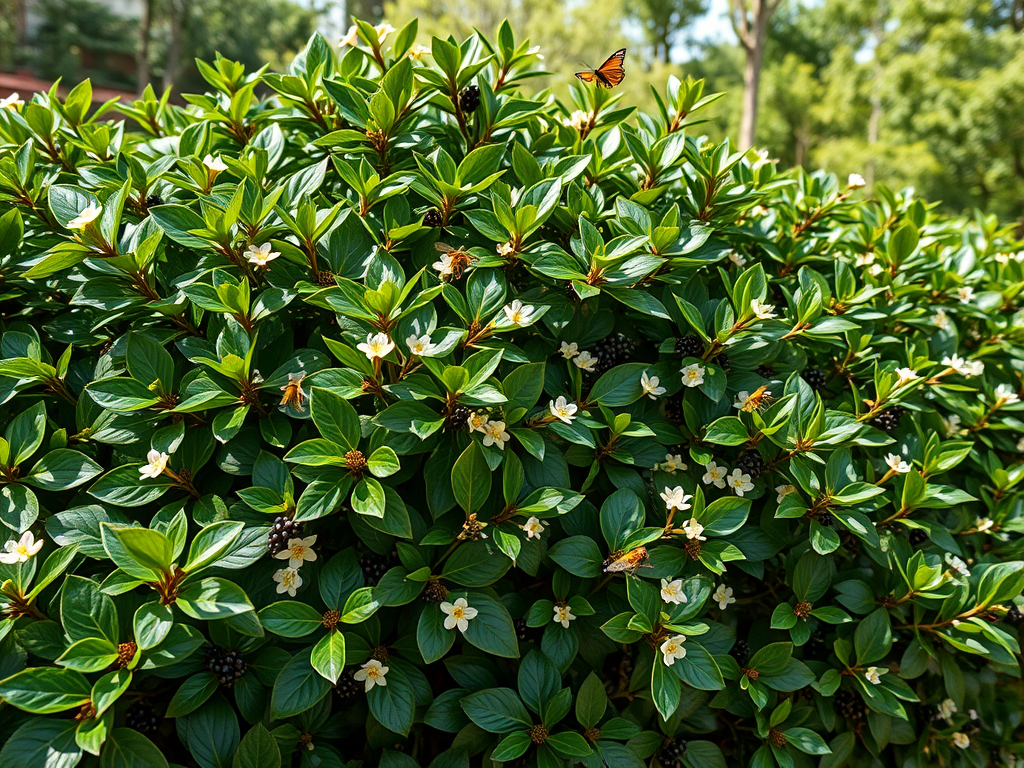
Ligustrum vulgare: The Overlooked Significance and Cautionary Lessons of Wild Privet

Ligustrum vulgare, or wild privet, is a resilient shrub admired for its ecological benefits and year-round beauty, yet it poses toxicity risks. Historically used for medicinal purposes, its potential dangers have led to its decline in modern herbal medicine. A balanced approach is essential for responsible gardening and urban planning.

Introduction to Foxglove

Foxglove (Digitalis purpurea), known for its striking beauty and lethal toxicity, has significant medicinal value, particularly in treating heart failure. Its heart-active compounds have influenced modern medicine and pharmaceuticals. Despite its historical use in folk remedies, it’s crucial to approach foxglove with caution due to its narrow therapeutic index and potential for poisoning.

Exploring Tansy: Benefits, Risks, and Cultural Significance Through the Toulmin Model

Tansy (Tanacetum vulgare) is a perennial herb known for its traditional medicinal claims, particularly as an anti-parasitic and digestive stimulant. While historical evidence supports its uses, concerns about toxicity and strict safety guidelines limit its applications today. External uses remain relevant, especially in natural pest management.

The Complex Interplay Between the Individual and Society

This article explores the dynamic relationship between individuals and society, emphasizing how each shapes and is shaped by the other. It integrates theories from prominent scholars like Giddens and Bourdieu, alongside practical exercises and case studies, aiming to empower readers to understand and intentionally engage with social patterns in their lives.

Lonicera periclymenum: An Extensive Guide to European Honeysuckle (Vivendel)

Lonicera periclymenum, known as European honeysuckle, is a climbing shrub valued for its fragrance and medicinal use. Native to Europe, it features anti-inflammatory properties and has been traditionally used for respiratory and digestive health. While its berries are toxic, external applications remain safe, highlighting the plant’s enduring significance in horticulture and folklore.

Share with