Architecture

Architecture, housing and the built environment.

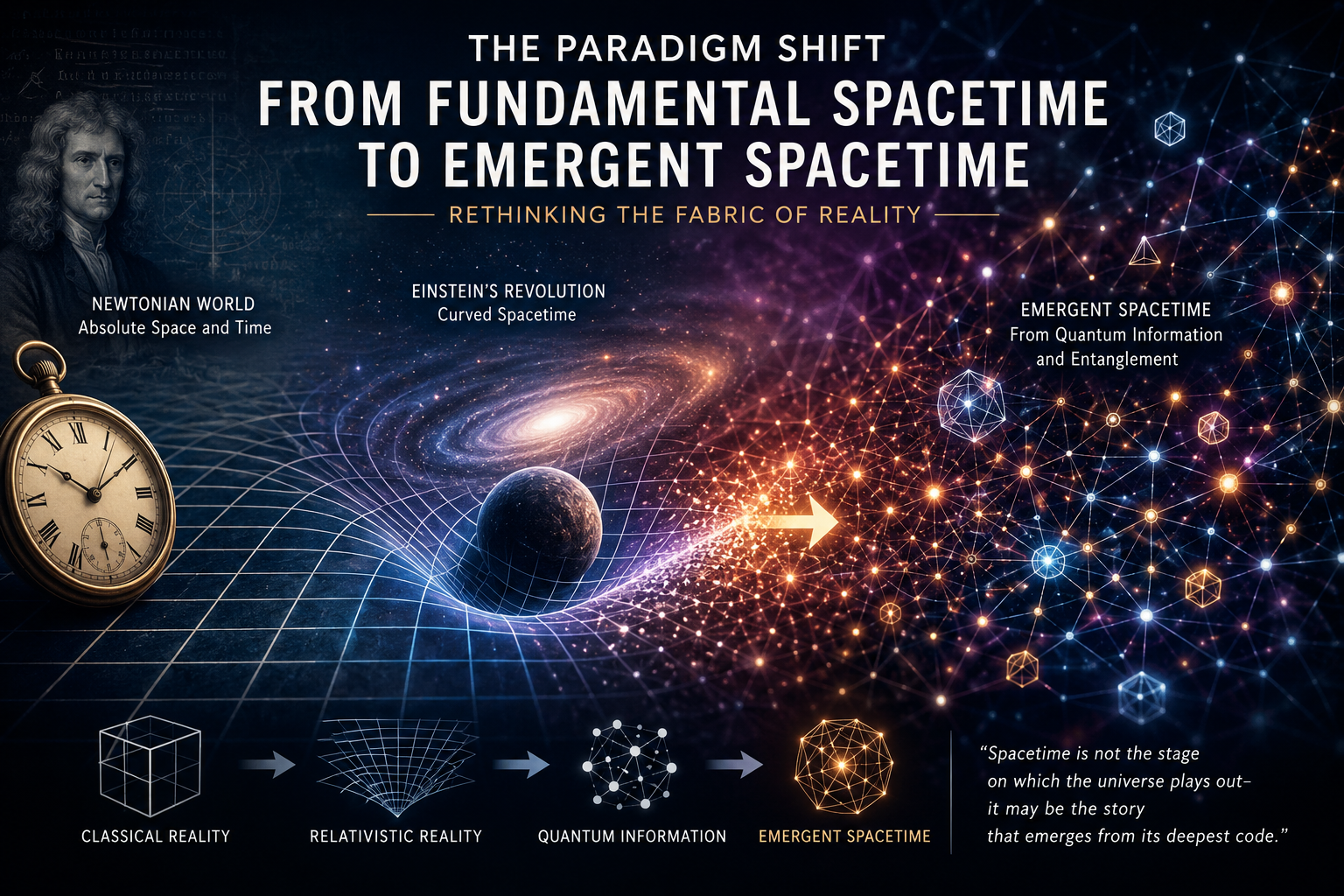
From Fundamental Spacetime to Emergent Spacetime: A Paradigm Shift in the Architecture of Reality

Abstract For more than three centuries, physics treated space and time as essential components of the universe’s fundamental architecture. Newtonian mechanics placed events within an immutable spatial arena governed by universal time. Special relativity unified space and time into a four-dimensional structure, while general relativity transformed that structure into a dynamic gravitational field. Yet the […]
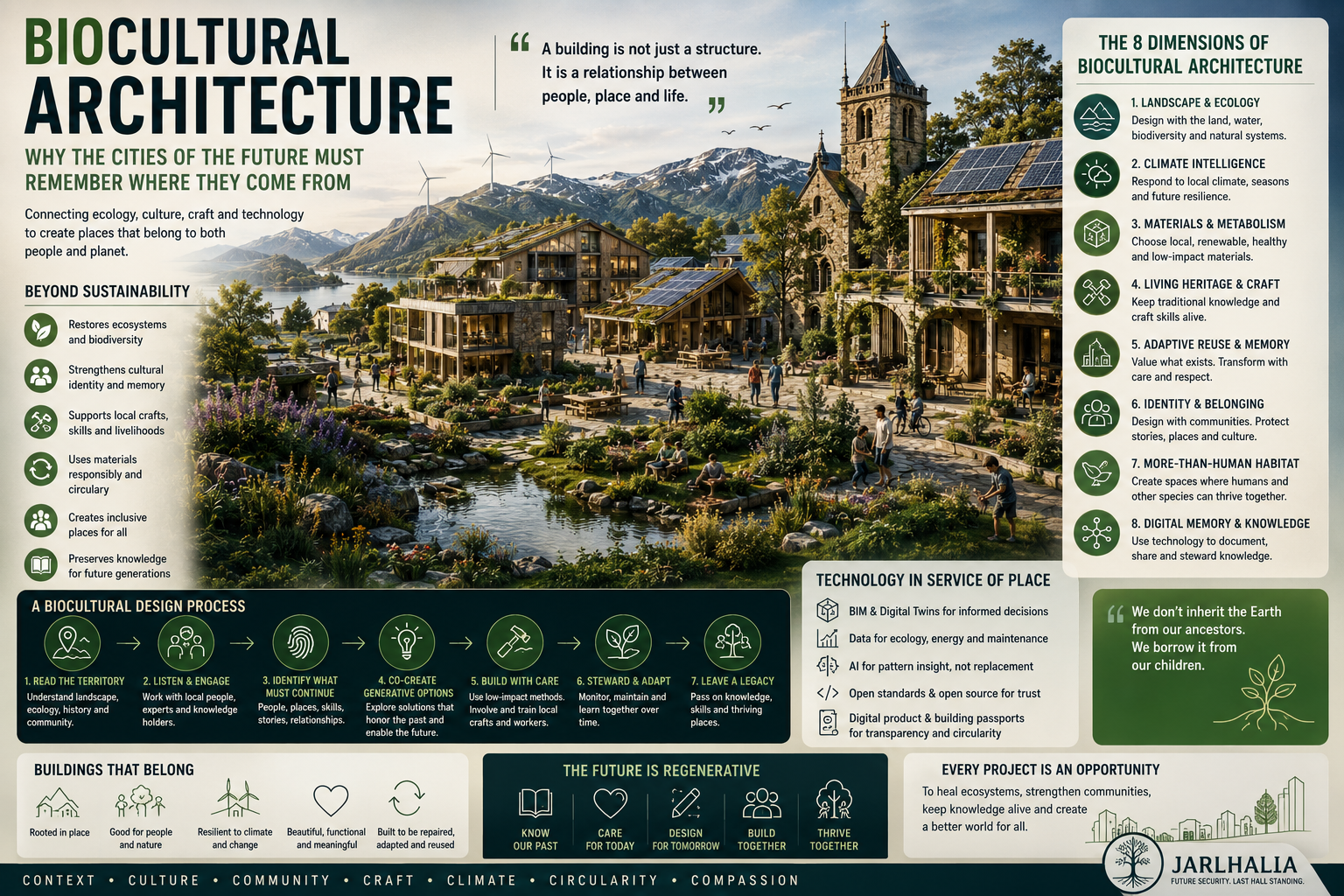
Biocultural Architecture: Why the Cities of the Future Must Remember Where They Come From

How living heritage, ecological intelligence, local materials and digital knowledge can create places that belong to both people and planet SEO title: Biocultural Architecture: Designing Cities with MemoryMeta description: Biocultural architecture connects biodiversity, cultural heritage, local materials, traditional knowledge, circularity and digital technology to create regenerative places rooted in identity.Suggested URL slug: /biocultural-architecture-cities-memory-regenerative-design/Primary keyword: biocultural […]

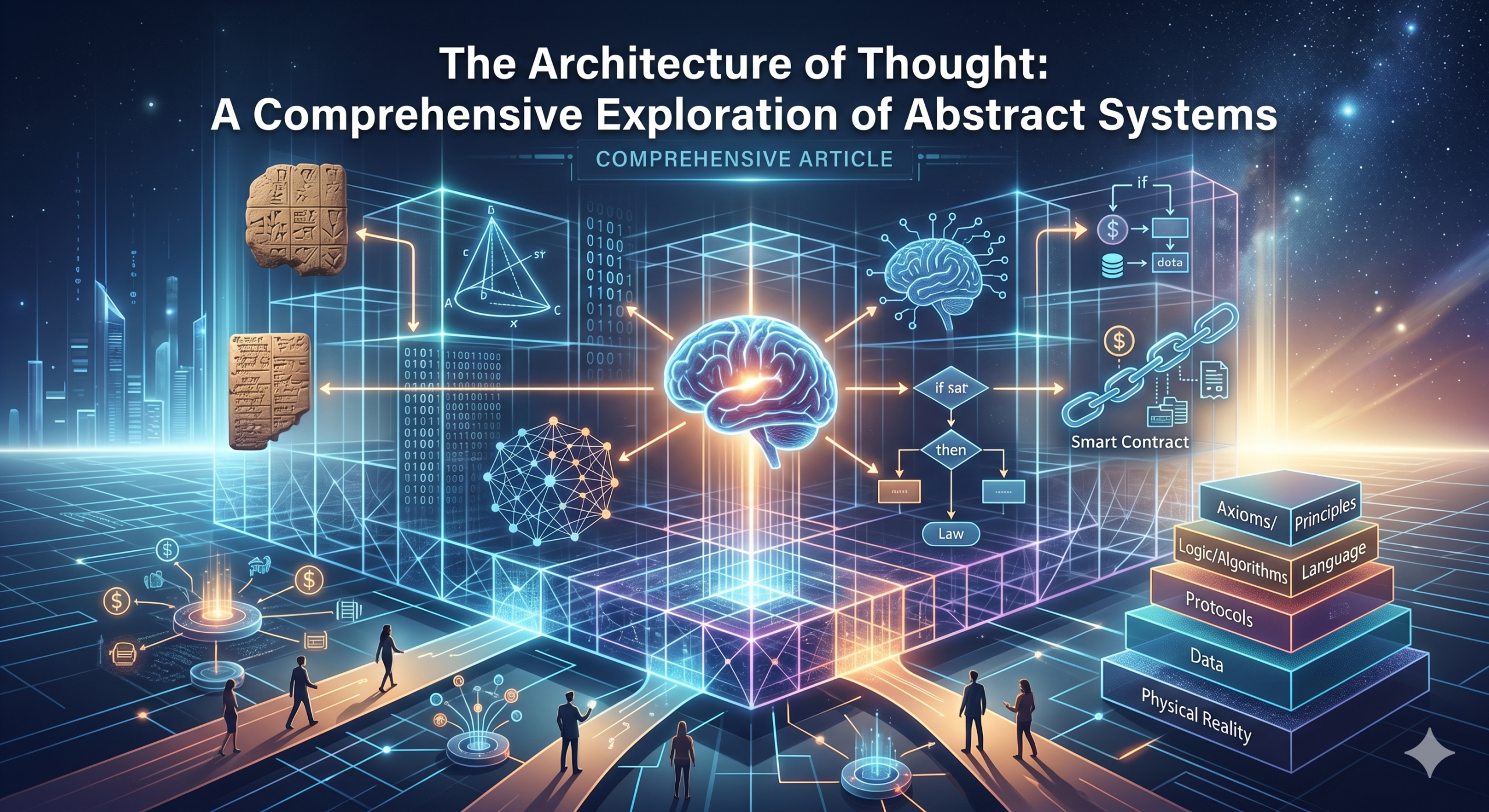
The Architecture of Thought: A Comprehensive Exploration of Abstract Systems

Introduction: The Invisible Scaffolding of Reality When we look at the world, we perceive physical objects: trees, buildings, machines, and people. Yet, the modern world is fundamentally governed by structures that cannot be touched, weighed, or physically measured. These are abstract systems—intricate networks of concepts, rules, symbols, and logical frameworks that organize our understanding and […]

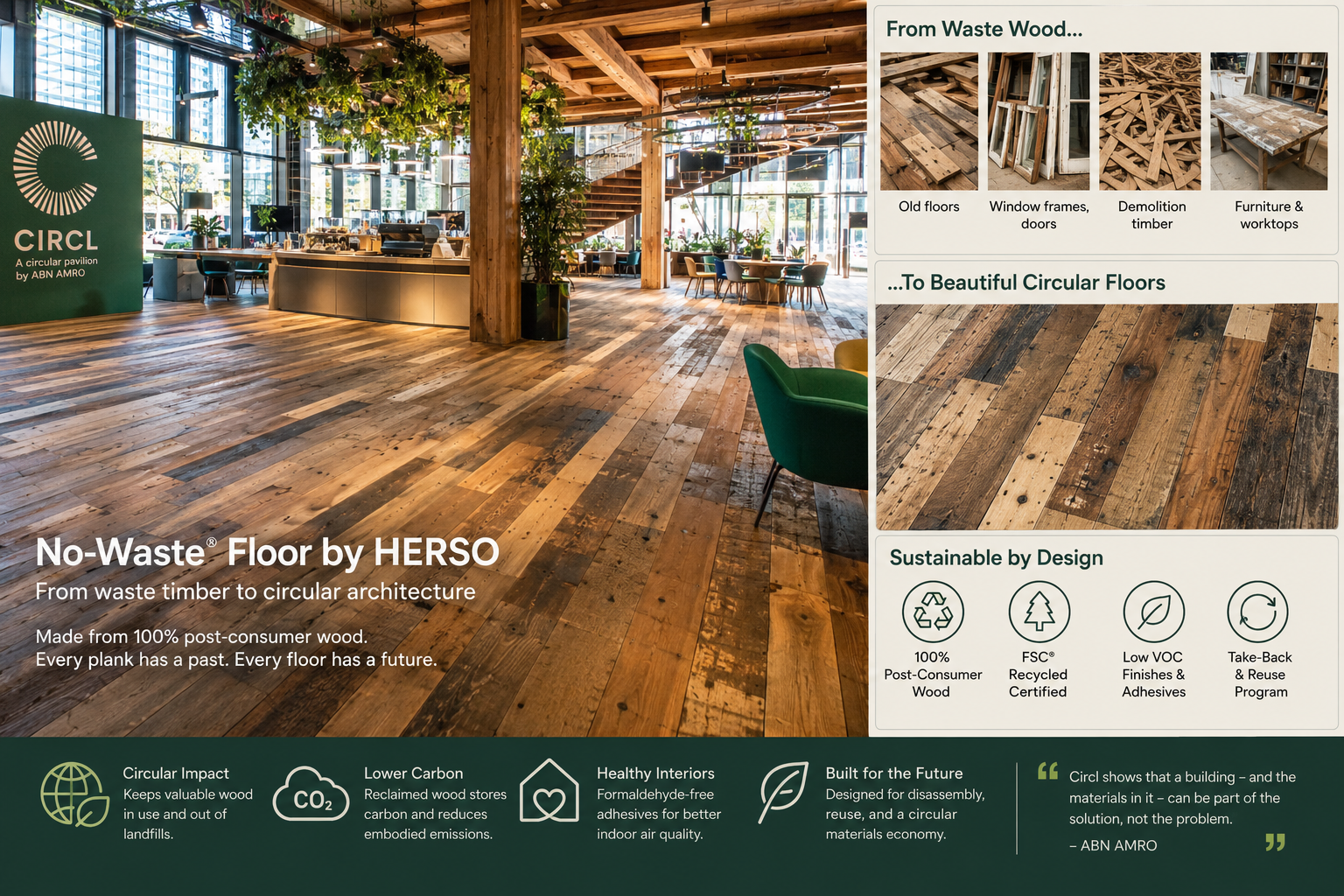
From Waste Timber to Circular Architecture: The No-Waste® Floor by HERSO and the Future of Reclaimed Wood in Sustainable Construction

Introduction: Why a Floor Can Matter More Than It Seems A floor is easy to overlook. It sits beneath the daily life of a building, carrying footsteps, furniture, dust, work, ceremony, and time. Yet in sustainable architecture, the floor is not a passive surface. It is a material decision with consequences: where timber comes from, […]

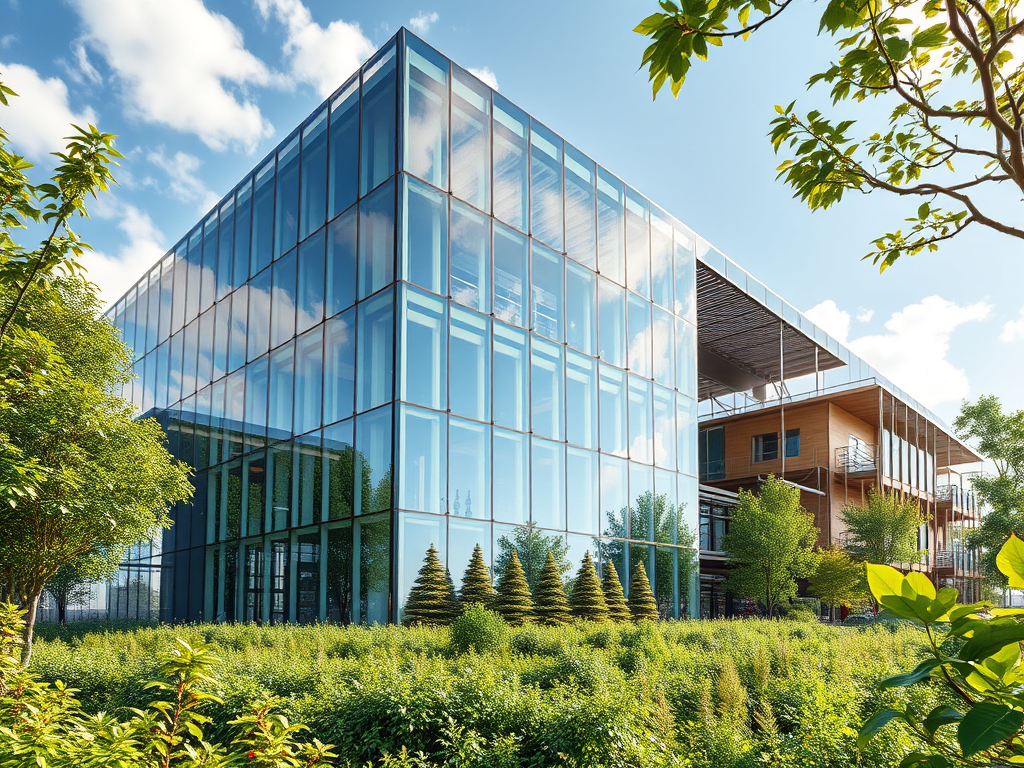
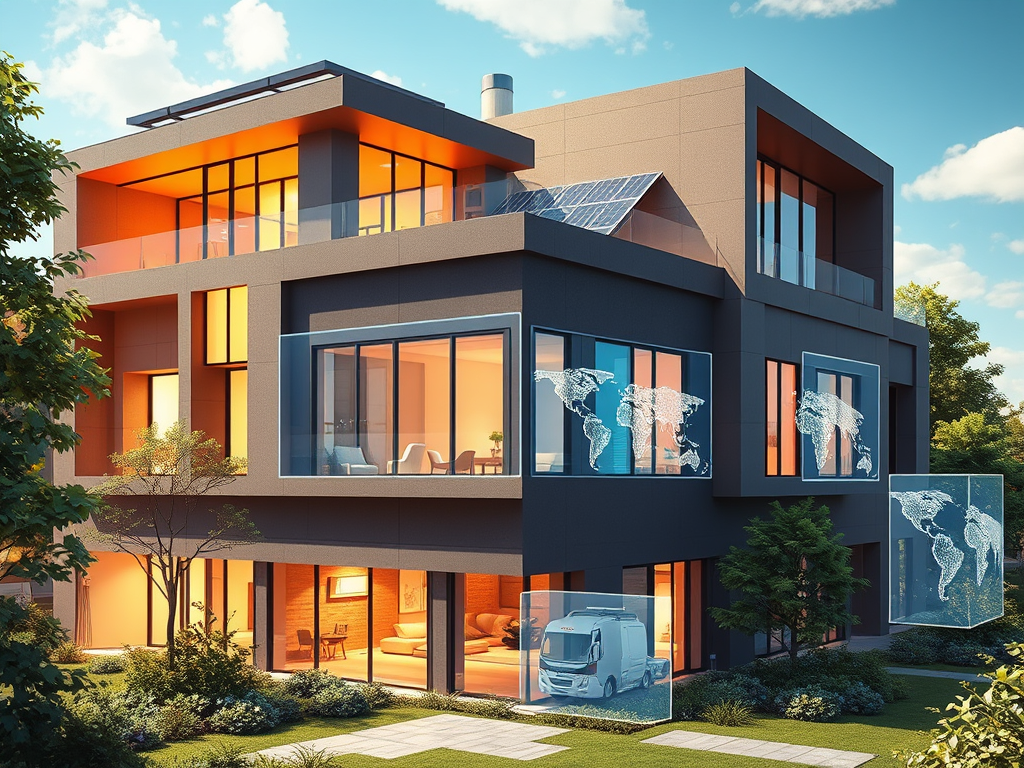
Building the Future: Regenerative Architecture

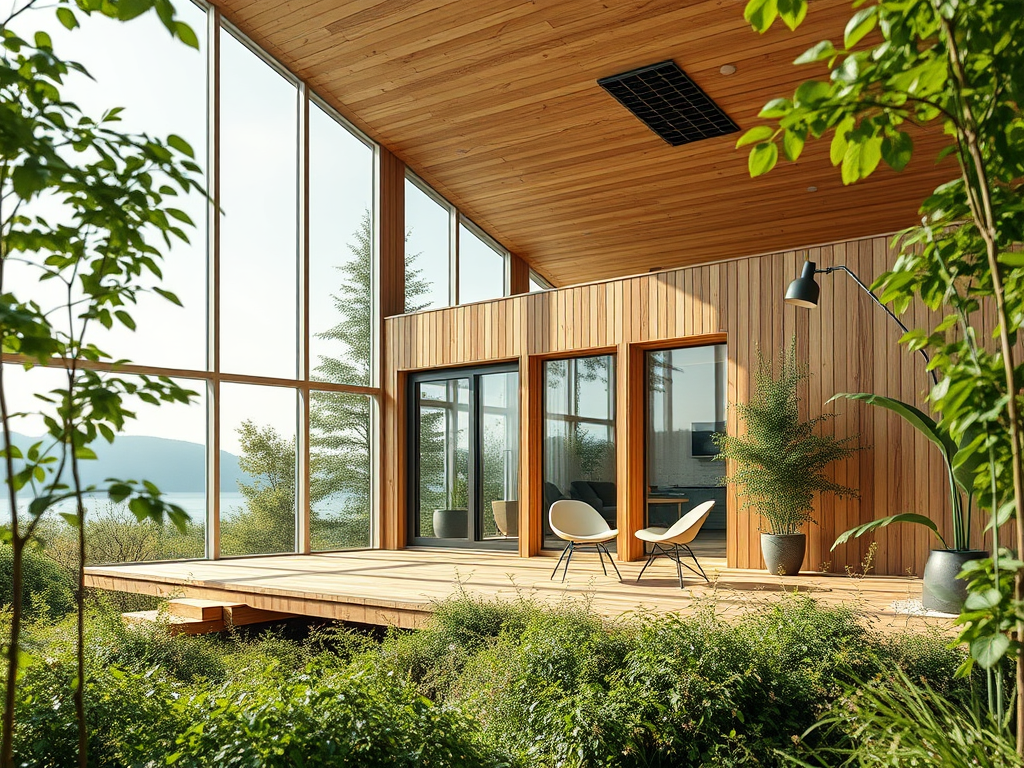
The future of architecture emphasizes sustainability beyond mere reduction of harm, focusing on regenerative design that enhances ecosystems and community well-being. Innovations include carbon-storing materials, circular building practices, and designs integrating nature, fostering human comfort. Sustainability intertwines accountability and beauty, prompting a shift towards buildings that enrich rather than deplete resources.

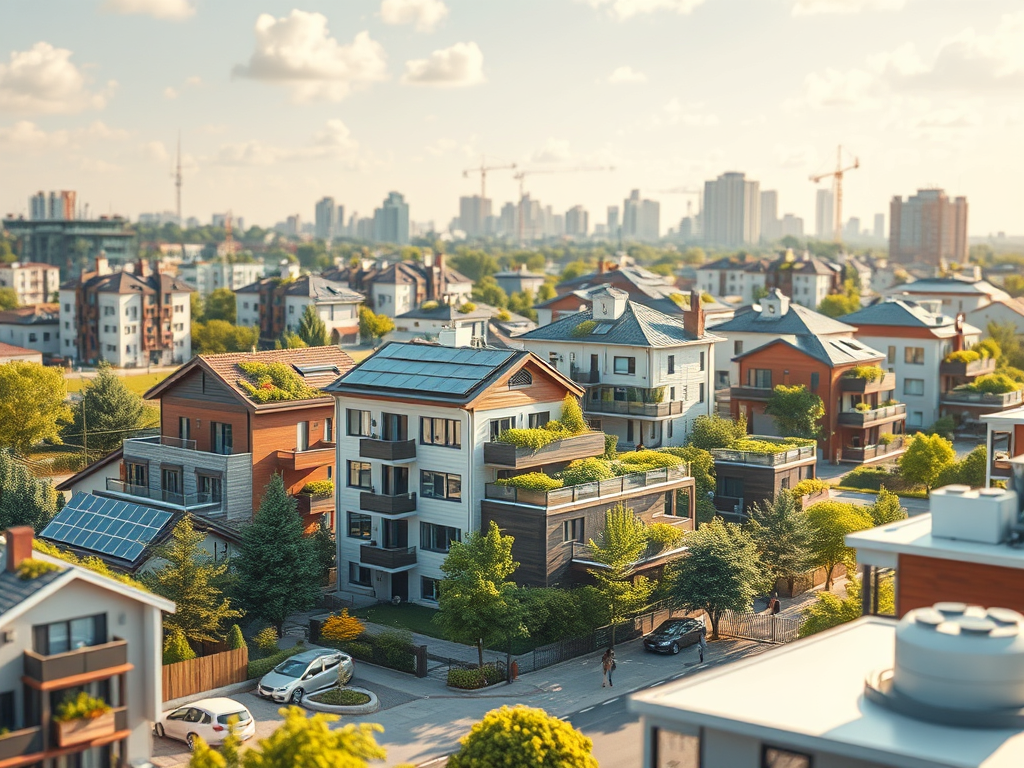
Embracing Sustainable Housing in the Face of Population Growth: A Path Forward

As the global population approaches 9.7 billion by 2050, urban housing demands escalate, necessitating urgent sustainable solutions. The construction sector, responsible for significant emissions, can potentially reduce them by over 50% through innovative materials, traditional practices, and behavioral shifts. Future technologies like AI promise to transform housing design, fostering collaboration for greener living environments.

Quantum Resonance in Architectural Design

The article discusses the integration of quantum mechanics and resonance into architectural design, proposing buildings that harmonize with nature’s cycles. It explores historical applications, modern innovations like smart materials and energy management, and highlights potential for sustainable structures. Ultimately, this approach aims to redefine architecture as a participant in environmental energy flows.

Rewilding Architecture: How Buildings Are Bringing Nature Back to Urban Deserts

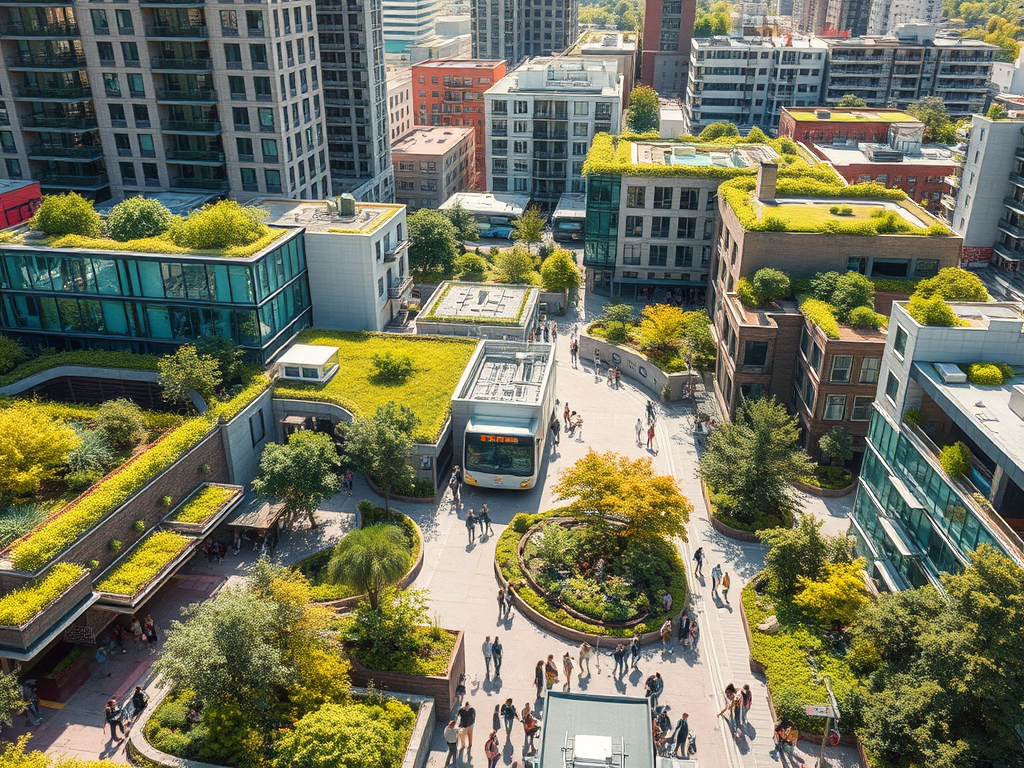
The article discusses rewilding architecture, highlighting its role in reviving urban environments by integrating native ecosystems into city designs. As cities face climate challenges and biodiversity loss, innovative green structures like green roofs and living walls offer environmental benefits. Successful projects demonstrate the potential for widespread adoption, fostering a greener future.

Climate-Proof Cities: How Floating Architecture Is Saving Coastal Communities

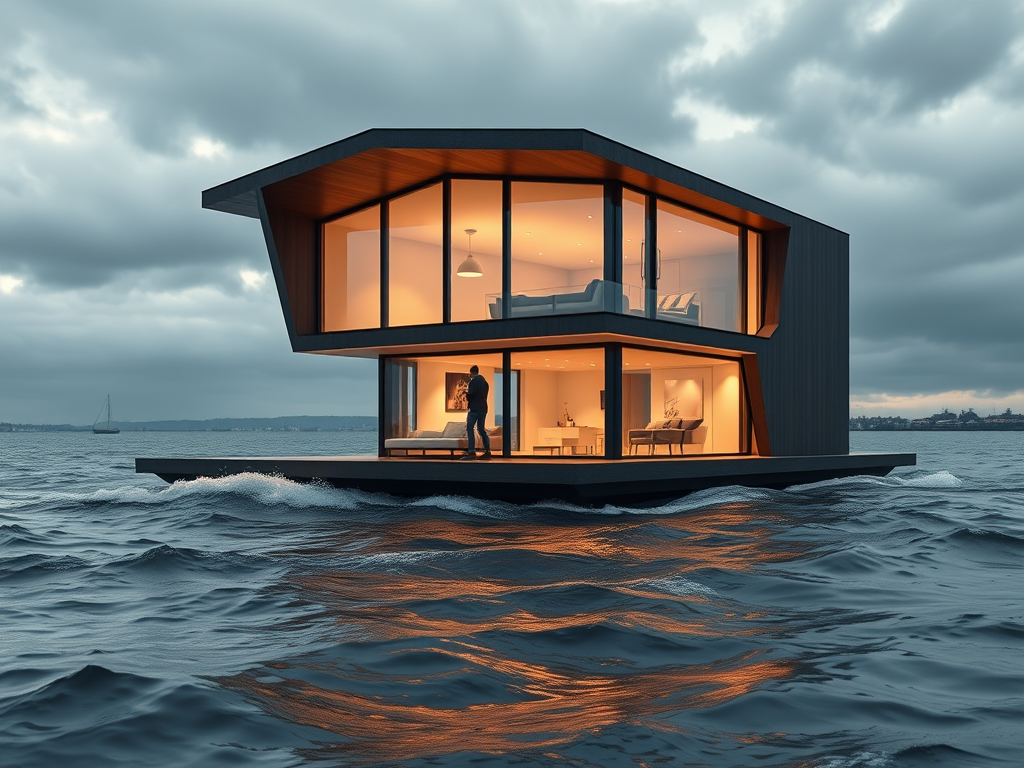
In 2025, floating architecture emerges as a vital solution to climate change threats, particularly rising sea levels affecting coastal cities. This innovative housing concept, with historical roots, fosters resilience against flooding while addressing urban overcrowding. Projects like IJburg and Makoko showcase its potential, though challenges in stability and accessibility remain.

The latest trends in post-modern architecture

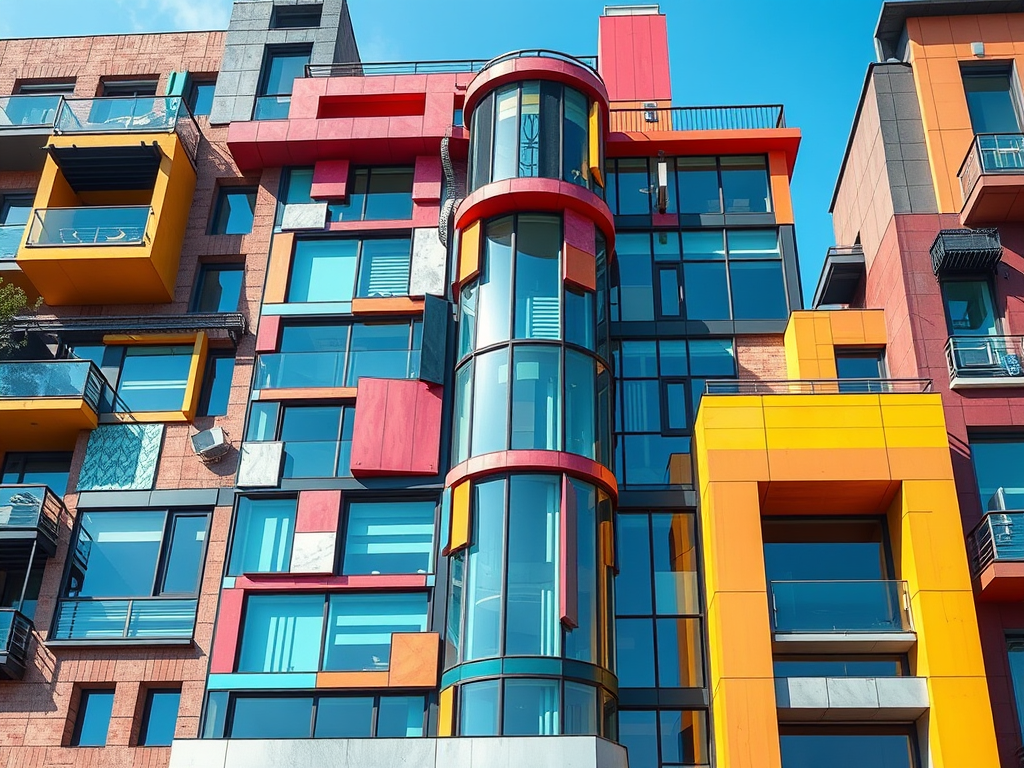
Neo-Eclecticism 2.0 revives 1980s postmodernism with digital tools, blending styles and playful ornamentation. Trends include narrative architecture, hyper-saturated colors, fragmentation, and mixed-reality integration. Sustainability features irony in design, while AI-driven methodologies enhance generative forms, echoing past aesthetics with precision. Architects like SO – IL and FALA Atelier lead these innovations.

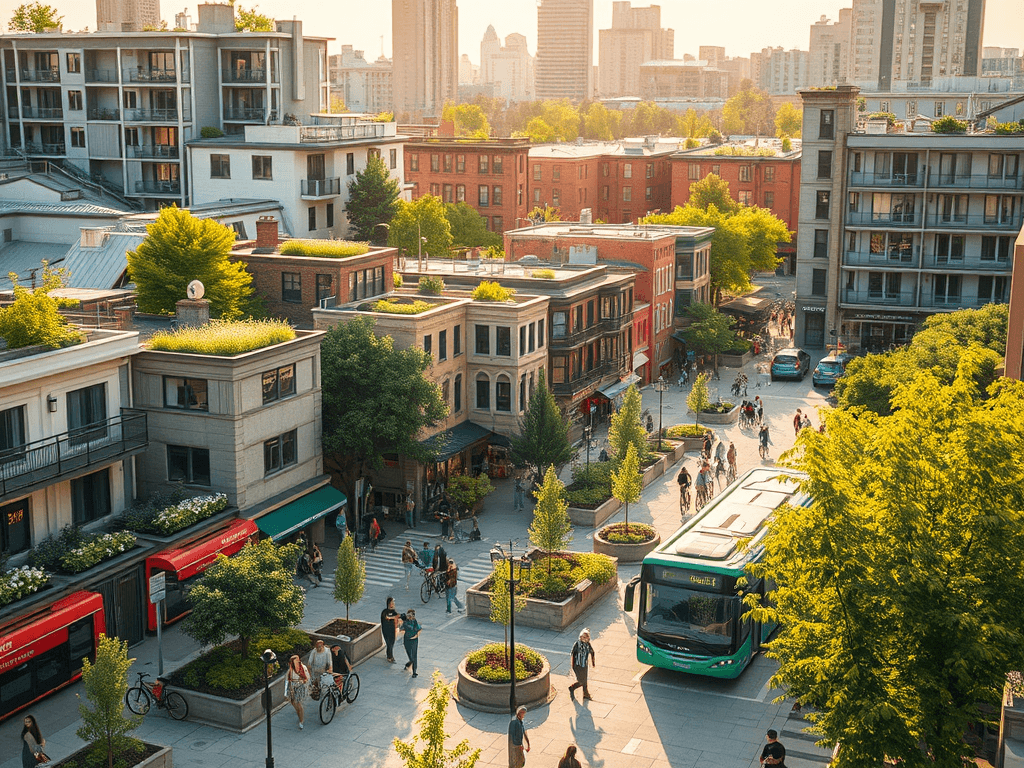
Sustainable Urban Design: Principles, Strategies, and Future Pathways

Sustainable urban design is crucial for managing the growing global urban population, which is expected to reach 68% by 2050. This approach integrates environmental, social, and economic principles to create resilient urban spaces. Key strategies include compactness, mixed-use developments, green infrastructure, and community engagement, promoting sustainability and equity in cities.

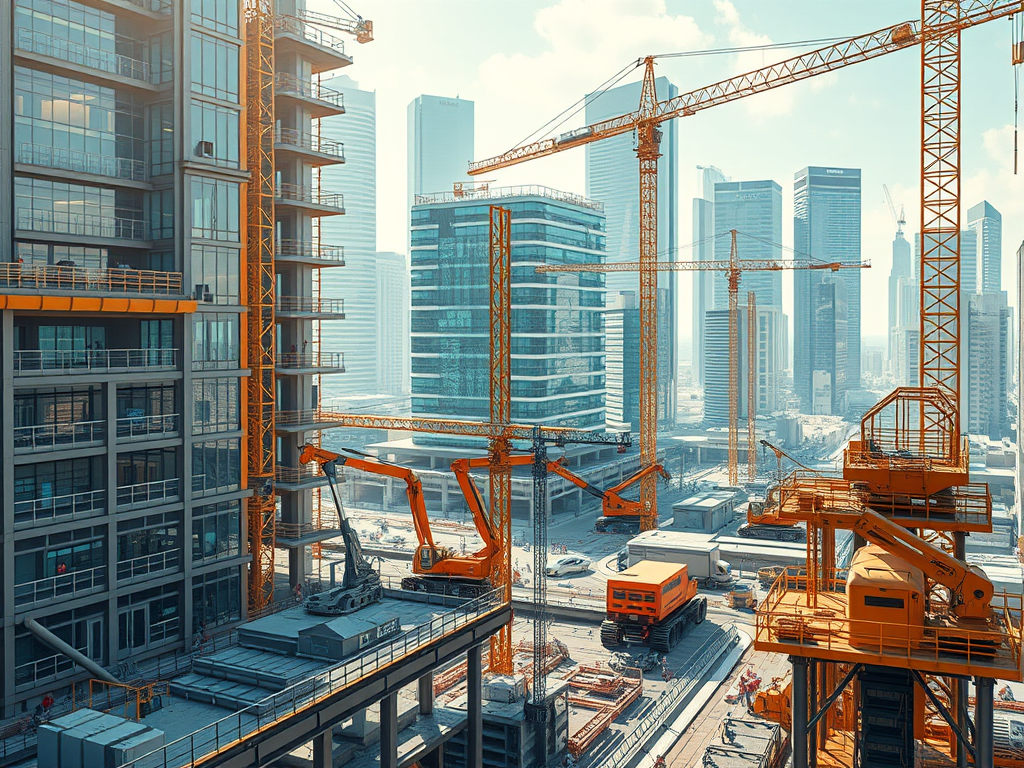
Revolutionizing Construction: How Smart Systems and Digital Intelligence Are Shaping the Future of the Built Environment

Smart construction systems leverage technologies like IoT, AI, and robotics to enhance design, execution, and maintenance in the construction industry. They promise increased productivity, safety, and sustainability while addressing existing inefficiencies. Despite challenges like interoperability and cybersecurity, these systems are crucial for modern infrastructure development and necessitate industry-wide collaboration and training.

Sustainable Urban Planning: Pioneering Future-Ready, Eco-Friendly Cities

Sustainable urban design is crucial for addressing climate change and resource consumption as urban populations grow. It emphasizes principles like compact development, transit-oriented design, and green infrastructure. Key strategies include systems thinking, circular economies, and inclusive planning. The article urges cities to transition from consumption to regeneration through innovative, collaborative approaches.

Exploring the Fusion of Architecture and Digital Art: JT Knoksn’s Creative Journey

Discover the captivating journey of JT, an innovative digital artist blending technical architecture with fluid creativity to redefine modern artistry. Explore the extraordinary ‘Tech Art’ collection, where precision meets imagination, inviting audiences into a limitless universe of digital storytelling.

Unlocking Growth: Mastering Scalable AI Architectures for Future Success

Discover how to design scalable AI architectures that empower your business to thrive in a rapidly evolving digital landscape. From leveraging cloud-native infrastructure to implementing efficient model deployment, learn the key principles for building a system that adapts seamlessly to growth and delivers consistent value.

Unlocking Sustainable Architecture: How Energy-Efficient Design Simulations Transform Building Performance

Explore the benefits of energy-efficient design simulations in architecture, which utilize advanced tools to optimize a building’s energy performance while ensuring comfort and functionality. By integrating these simulations early in the design process, architects can enhance sustainability, reduce operational costs, and achieve compliance with leading energy standards like LEED and BREEAM.

Analysis of the Current State of Architects and Engineers and Its Potential for Small Business Opportunities

The architecture, engineering, and construction (AEC) industry is undergoing significant transformation, driven by various factors such as the COVID-19 pandemic, technological advancements, changing market dynamics, and evolving customer demands. This analysis explores the current state of architects and engineers and the potential it holds for small business opportunities.

Share with