The Universe

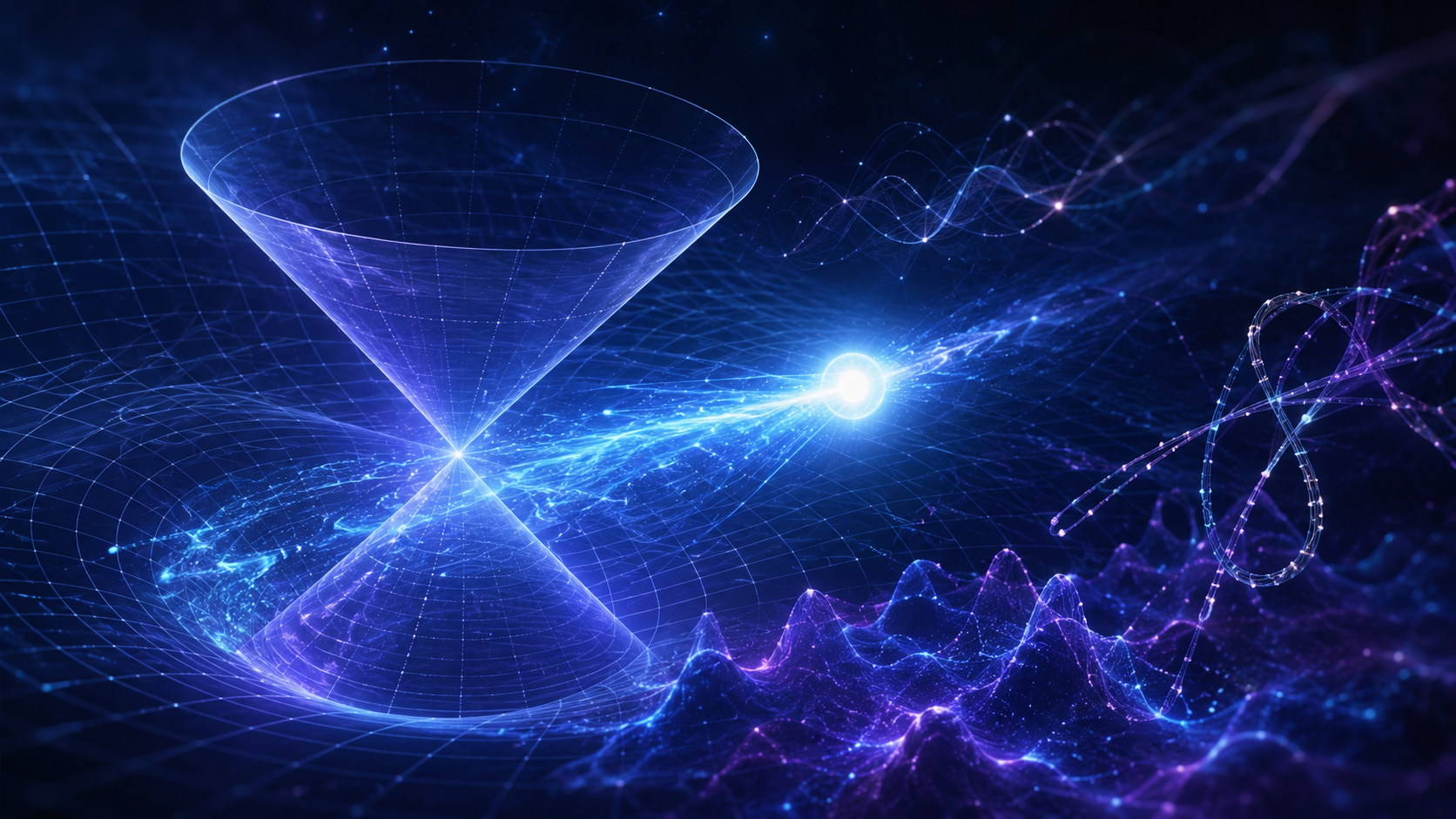
Tachyons: Faster-Than-Light Particles, Quantum Instabilities, and the Physics Beyond the Light Barrier

Abstract Few concepts in theoretical physics occupy as unusual a position as the tachyon. Originally proposed as a hypothetical particle that could move faster than light, the tachyon quickly became associated with some of the deepest questions in relativity: whether the speed of light is an absolute barrier, whether cause must precede effect for every […]
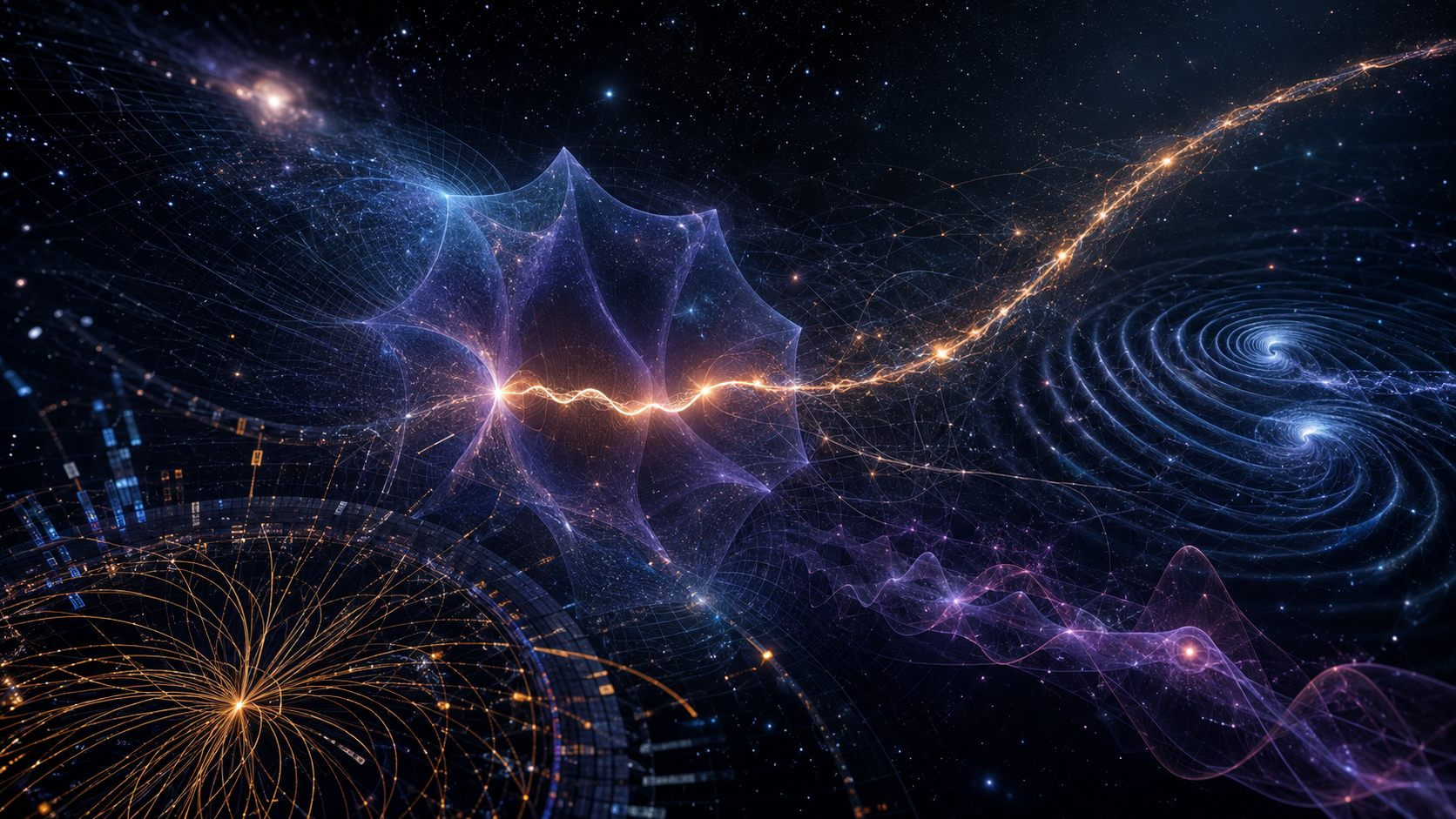

Can String Theory Ever Be Tested? Part II

What Would Actually Count as Evidence? This article continues Can String Theory Ever Be Tested?, which examined the experimental pathways through supersymmetry, axions, extra dimensions, cosmic strings, cosmology, and gravitational waves. String theory does not suffer from a complete absence of testable consequences. It suffers from something subtler: many of its accessible consequences are not […]

Can String Theory Ever Be Tested?

A Practical Map of Evidence, Experiments, and the Limits of Scientific Confirmation Abstract String theory is frequently praised as the most developed framework for unifying quantum physics with gravity—and criticized for being impossible to test. Both characterizations are too simple. String theory does not generally produce one unavoidable low-energy prediction. Instead, it generates families of […]

The Cosmos, the Energies, and the Music

A Guide to the Universe as Matter, Motion, Vibration, and Meaning Introduction: Is the Universe Singing? The idea that the cosmos has music is ancient, beautiful, and surprisingly modern. For thousands of years, philosophers, mystics, mathematicians, astronomers, and musicians have imagined the universe as an ordered harmony: planets moving in ratios, stars pulsing like instruments, […]

The Cosmos and The Music: A Symphonic Exploration of Space, Sound, and Meaning

This article examines the deep connection between the cosmos and music, tracing its historical roots, scientific insights, and contemporary applications. It highlights how music represents cosmic structures, aids in scientific endeavors, and fosters emotional connections. The intersection of these fields signifies a promising interdisciplinary frontier for future exploration and understanding.

The Cosmos, Quantum Space, Psychology, and Music Energy: A Vast and Harmonious Interconnection

Introduction: Bridging the Macro and Microcosms of Existence Humanity has forever been enchanted by the mysteries of the cosmos and the infinitesimally small wonders of quantum space. Simultaneously, we have tirelessly sought to understand our inner worlds—our psychology—and the power of intangible forces like music that profoundly affect our mental states. Fascinatingly, these seemingly disparate […]

AstroSage Llama 3.1 8B: A Specialized Large Language Model for Astronomy Research

AstroSage Llama 3.1 8B is a breakthrough domain-specific AI model tailored for astronomy, featuring 8 billion parameters and trained on an extensive corpus of astronomy literature. It enhances research accuracy, efficiency, and contextual understanding. Openly accessible, it democratizes advanced AI, promoting inclusivity in scientific discovery while addressing key challenges for future development.

Title: Gravitational Wave AI: Advancing LIGO Science Through Machine Learning

In June 2025, research highlighted AI’s transformative impact on gravitational wave astronomy, improving LIGO’s signal detection through deep learning and other techniques. AI enhances true positive detection rates, reduces false positives, and enables real-time analysis. As gravitational wave science evolves, AI will be essential for interpreting and understanding cosmic events.

AI Cosmologist: Autonomous Scientific Agents and the Future of Discovery

In April 2025, “AI Cosmologist I” introduced autonomous scientific agents capable of conducting entire research workflows. This AI integrates diverse functions, significantly impacting cosmology by automating hypothesis generation, simulation, and analysis. While enhancing scientific efficiency, it raises ethical questions regarding authorship and accountability, paving the way for a new era in scientific inquiry.

SN 2023zkd: AI Unveils the Extraordinary Story of a Novel Supernova

In July 2023, astronomers observed supernova SN 2023zkd, marked by an AI-assisted detection. This unique event featured an extended brightening over four years, gradual dimming, and a secondary flash, suggesting a massive star interacting with a black hole. The discovery enhances understanding of binary star systems and the evolving role of AI in astrophysics.

Milky Way’s Black Hole Spins Near Maximum: AI Simulations Reveal New Insights into Galactic Core Dynamics

In 2025, researchers discovered that Sagittarius A*, the Milky Way’s supermassive black hole, spins at nearly its maximum rate. This finding, derived from 12 million AI-enhanced simulations, reveals that its emissions stem from hot electrons in the accretion disk rather than powerful jets, reshaping black hole dynamics and cosmic evolution understanding.

AI Unveils New Physics in Dusty Plasmas: A Paradigm Shift in Scientific Discovery

A research team at Emory University used AI to uncover non-reciprocal forces in dusty plasmas, challenging existing theories in plasma physics. This marks a shift from AI as a mere tool to a collaborator in scientific discovery, suggesting significant implications for fields like fusion energy and materials science, and redefining core scientific assumptions.

A New Moon Around Uranus: The James Webb Space Telescope’s Breakthrough Discovery

In 2025, astronomers discovered a new moon orbiting Uranus, named S/2025 U1, using the James Webb Space Telescope. This 10-kilometer satellite, the first discovered since 2003, enhances our understanding of planetary systems and interactions within Uranus’s rings. It highlights JWST’s capabilities and suggests more hidden moons may exist.

Revolutionizing Space: The Future of On-Orbit Servicing, Assembly, and Debris Management

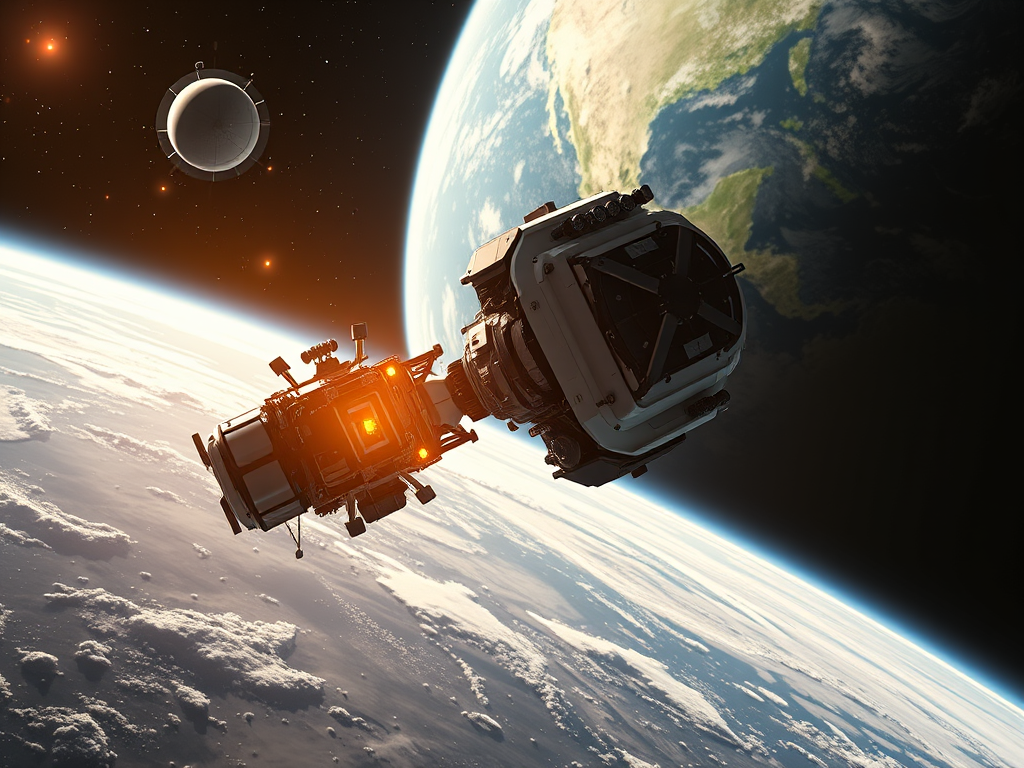
On-orbit servicing, assembly, manufacturing, and debris mitigation (OSAM+DM) aim to revolutionize space infrastructure by extending satellite lifetimes and enabling complex constructions. With rising debris threats, OSAM+DM enhances sustainability and safety in space. Significant investments forecast the market to grow to USD 11.56 billion by 2034, promoting new technologies and regulatory frameworks.

Smallsats, Mega-Constellations, and the Satellite Connectivity Revolution

The rise of small satellites and mega-constellations is revolutionizing global connectivity, providing high-bandwidth, low-latency access that bridges digital divides. The sector is projected to grow significantly, with innovations in technology enhancing operational efficiency. By 2030, satellite connectivity is expected to exceed USD 100 billion, transforming industries and enabling diverse applications.

Space Tourism and Private Astronaut Missions

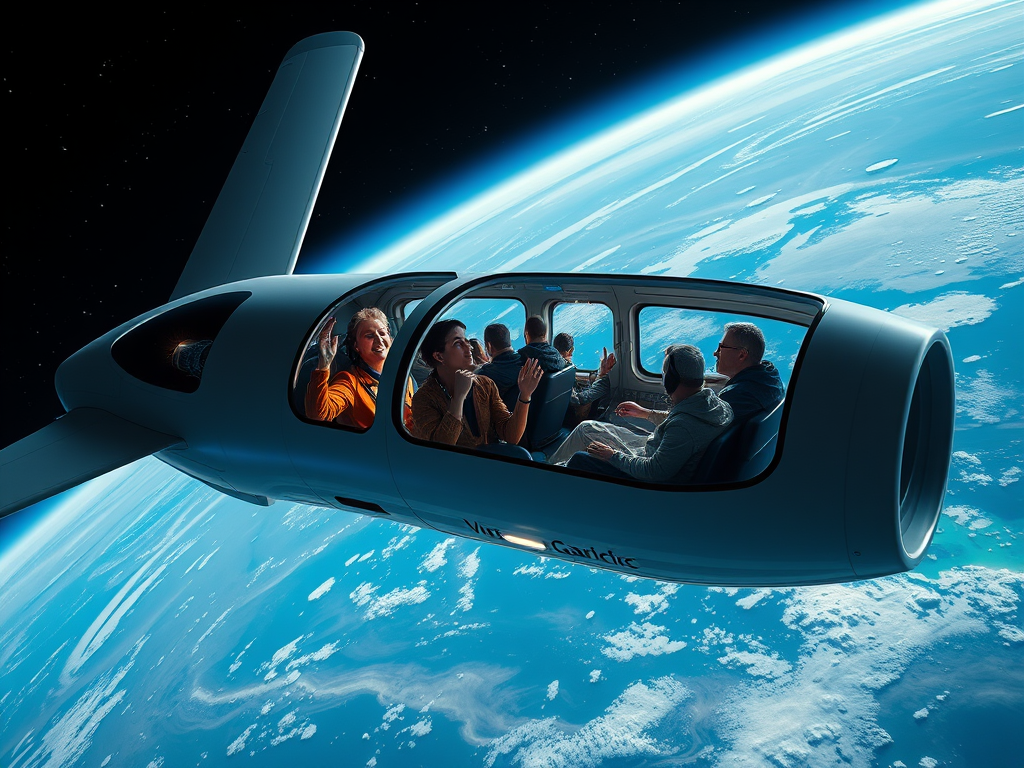
Space tourism has evolved from exclusive astronaut missions to an emerging industry for civilians, researchers, and artists. This article explores its history, current developments, flight experiences, pricing, training, regulations, and ethical considerations. As commercialization expands, challenges around cost, safety, and sustainability must be addressed to democratize access to space.

Unleashing Lunar Potential: How In-Situ Resource Utilization (ISRU) is Revolutionizing Moon Exploration and the Space Economy

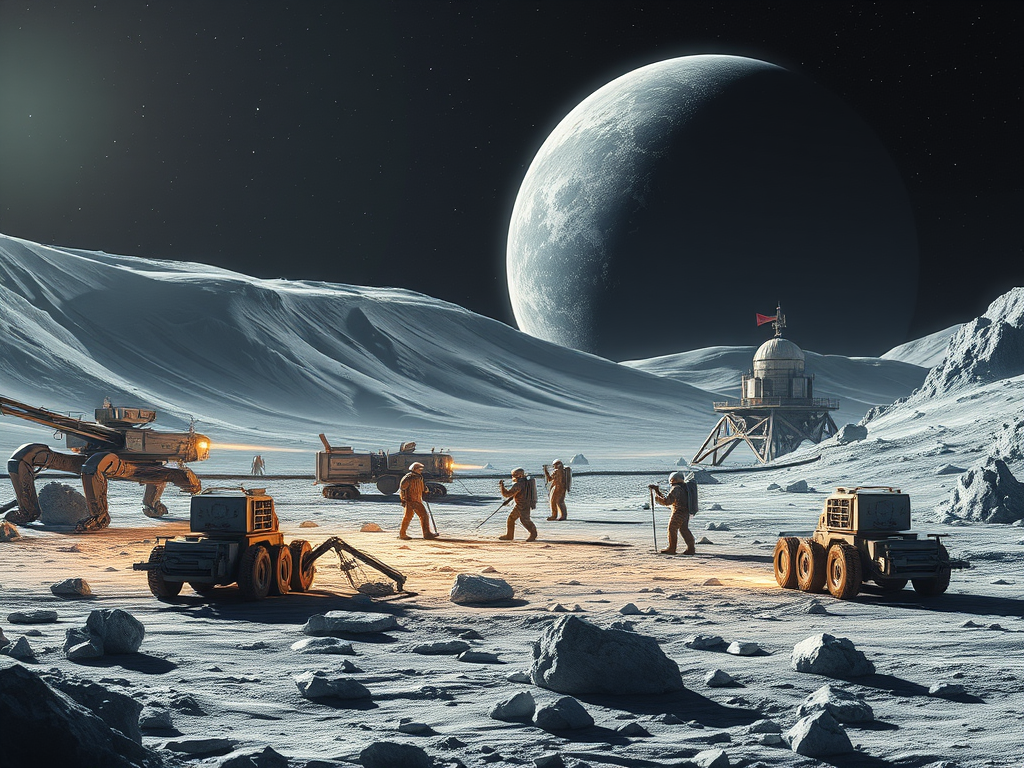
Lunar exploration is experiencing a resurgence, primarily through In-Situ Resource Utilization (ISRU), aimed at using lunar resources for sustainable operations. NASA’s Artemis program, alongside commercial initiatives, seeks to establish a long-term presence on the Moon by leveraging water ice, oxygen, and regolith for life support, construction, and fuel, ultimately fostering a thriving lunar economy.

Reusable Launch Vehicles and the Rise of the Commercial Space Economy

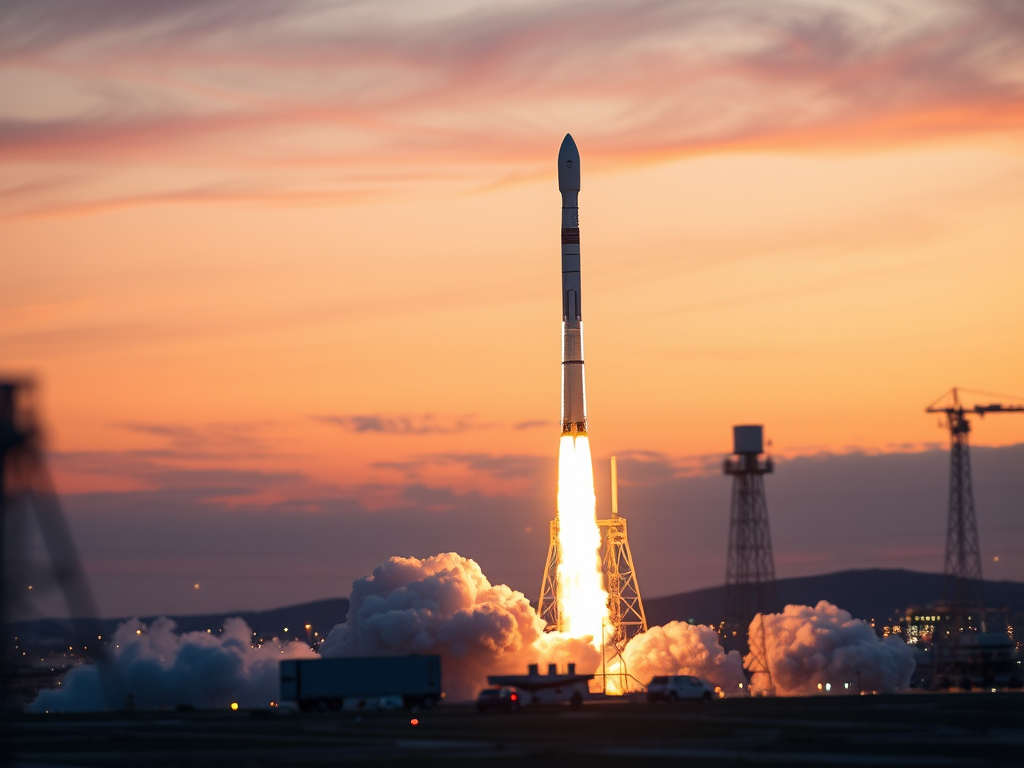
Reusable launch vehicles (RLVs) revolutionize space access by decreasing costs and boosting launch frequency, empowering commercial and governmental sectors. Innovations, particularly by SpaceX and Blue Origin, enhance the reusability of rocket stages. This shift is projected to foster substantial market growth, reduce launch costs, and spawn new industries within the space economy.

Unveiling Quantum Entanglement: The Mysterious Force Linking Particles and Shaping Future Technologies

Quantum entanglement is a perplexing phenomenon wherein particles become interconnected, allowing measurement of one to instantly determine another’s state, regardless of distance. This challenges classical physics concepts and inspires emerging technologies like quantum computing and cryptography. The implications for understanding reality and the universe are profound, inviting ongoing exploration and debate.

Unveiling Ancient Mysteries: Breakthroughs in Archaeology and Anthropology

Archaeology and anthropology are redefining our understanding of human history through recent discoveries. These findings, including evidence of women’s roles in ancient labor, early bone tools, and advancements in sound therapy, challenge previous beliefs and highlight the complexity of societal structures, technological evolution, and mental health treatments in our past and present.

The Risks and Rewards of Encountering Advanced Civilizations

The concept of advanced alien civilizations challenges humanity’s understanding of technology and existence. The Kardashev Scale outlines various civilization types, culminating in a hypothetical Type-7 civilization with capabilities beyond current comprehension. This exploration emphasizes readiness for potential contact, addressing technological, philosophical, and societal preparations critical for navigating the complexities of such interactions.

Unlocking the Universe: How String Theory Connects Quantum Mechanics, Gravity, and the Cosmic Symphony

String Theory proposes that all particles are one-dimensional strings vibrating in various modes, potentially unifying quantum mechanics and general relativity. It requires additional dimensions and hinges on supersymmetry. Despite lacking experimental evidence, it influences cosmology and challenges reductionist views, suggesting the universe consists of vibrations, akin to a cosmic symphony.

General Relativity Explained: Spacetime Curvature and Beyond

Einstein’s General Relativity revolutionized the understanding of gravity by proposed that it is a curvature of spacetime, not a force. This theory resolved inconsistencies in Newton’s model and laid foundations for modern cosmology, black holes, and GPS technology. Despite its successes, it remains incomplete and seeks unification with quantum mechanics.

Exploring the Multiverse: Unraveling Science, Philosophy, and the Meaning of Existence

Explore the profound philosophical and existential questions raised by the multiverse theory, such as the implications for free will, identity, and morality. Discover how the existence of multiple universes enriches our understanding of reality and what it means to be human, making our unique experiences all the more valuable.

Share with