
Discussion

AI Meets String Theory: Mapping Calabi–Yau Spaces and the Quantum Landscape

A research-based professional article, updated 7 August 2026. Citation style: APA 7th edition. Abstract String theory promises a quantum framework in which matter, forces, and gravity arise from a common microscopic structure. Its principal obstacle is no longer merely writing consistent equations; it is determining which of an enormous number of mathematically permitted solutions could […]
The Diamond Within: Cultivating Inner Brilliance Through Emotional Intelligence, Cognitive Clarity, Resilience, and Authentic Action

Introduction: Human Brilliance Is Not Something We Either Possess or Lack A diamond does not create light. It receives light, refracts it through its internal structure, and returns it to the world in a more complex and radiant form. The metaphor is useful because human brilliance works in much the same way. What we call […]

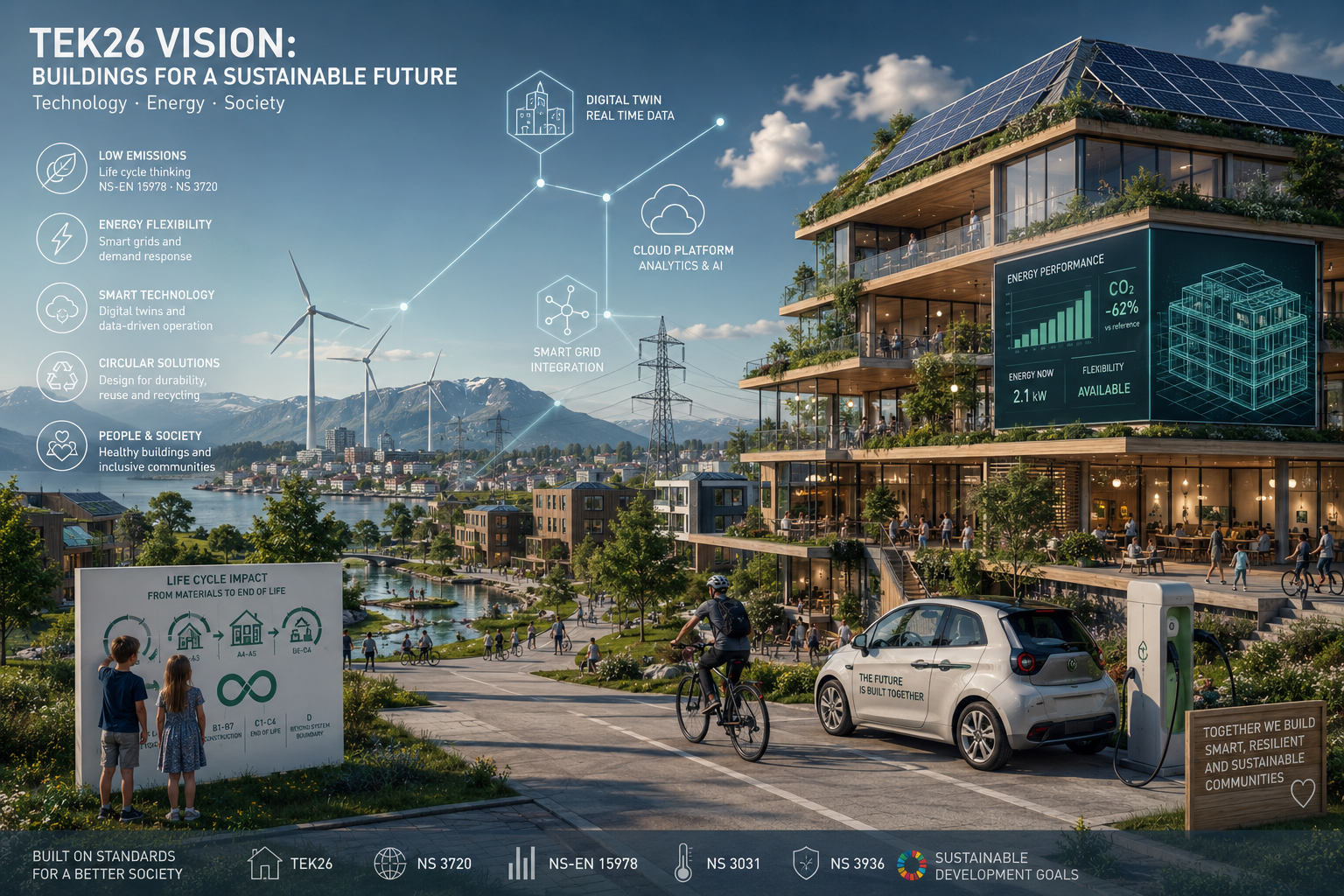
The houses that learn to breathe

An essay on technology, energy, and societal transformation in TEK26’s horizon A building seems to be standing still. It rests against the ground with walls, windows and ceilings, measured in millimeters and attached to the map with coordinates. Yet it is never motionless. It draws heat from the ground, receives rain, breaks the wind, filters […]

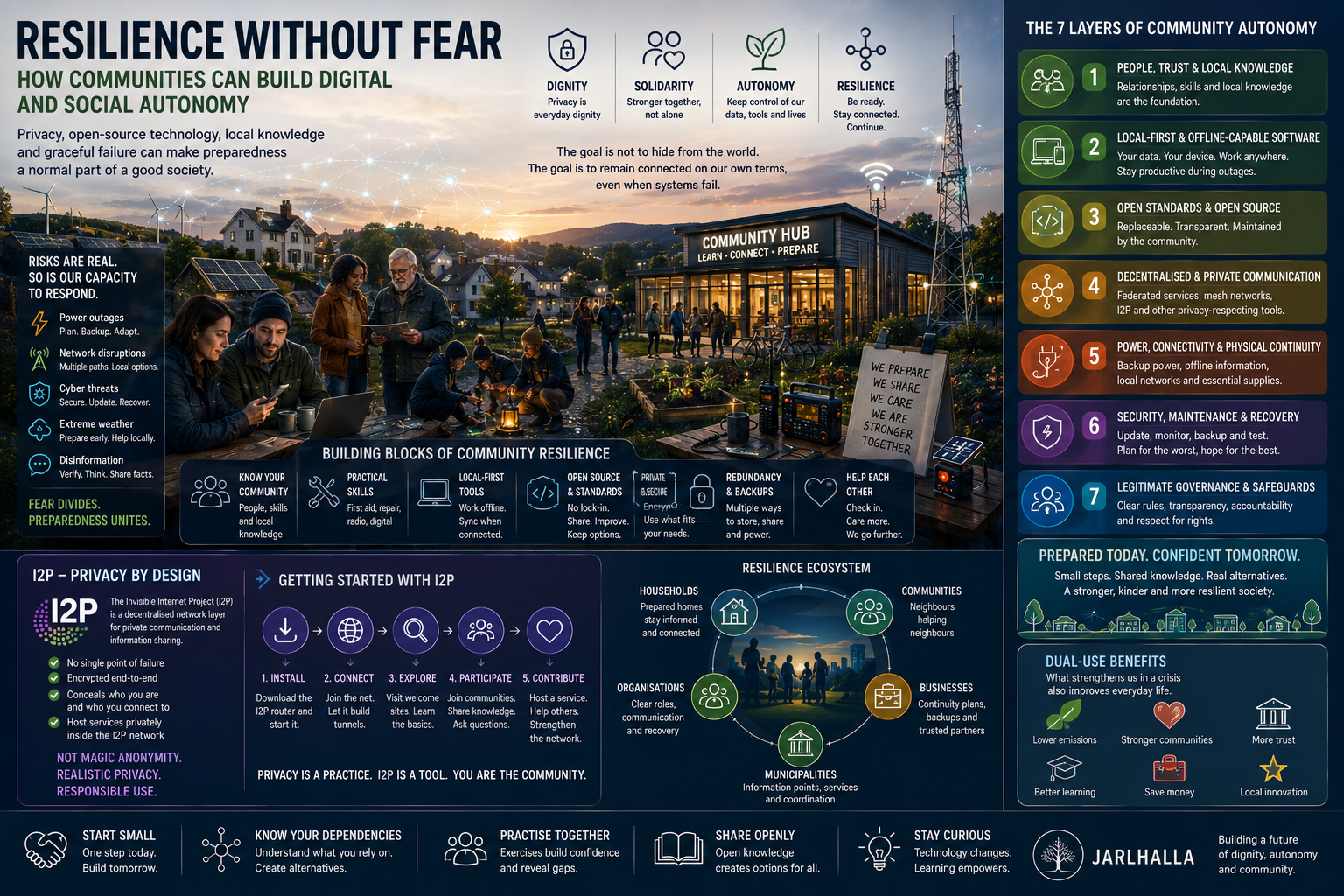
Resilience Without Fear: How Communities Can Build Digital and Social Autonomy

Privacy, open-source technology, local knowledge and graceful failure can make preparedness a normal part of a good society SEO title: Resilience Without Fear: Digital and Community AutonomyMeta description: Discover how communities can build digital resilience through privacy, local-first software, open source, decentralised networks, backup power, trusted information and human cooperation—without fear or isolation.Suggested URL slug: […]

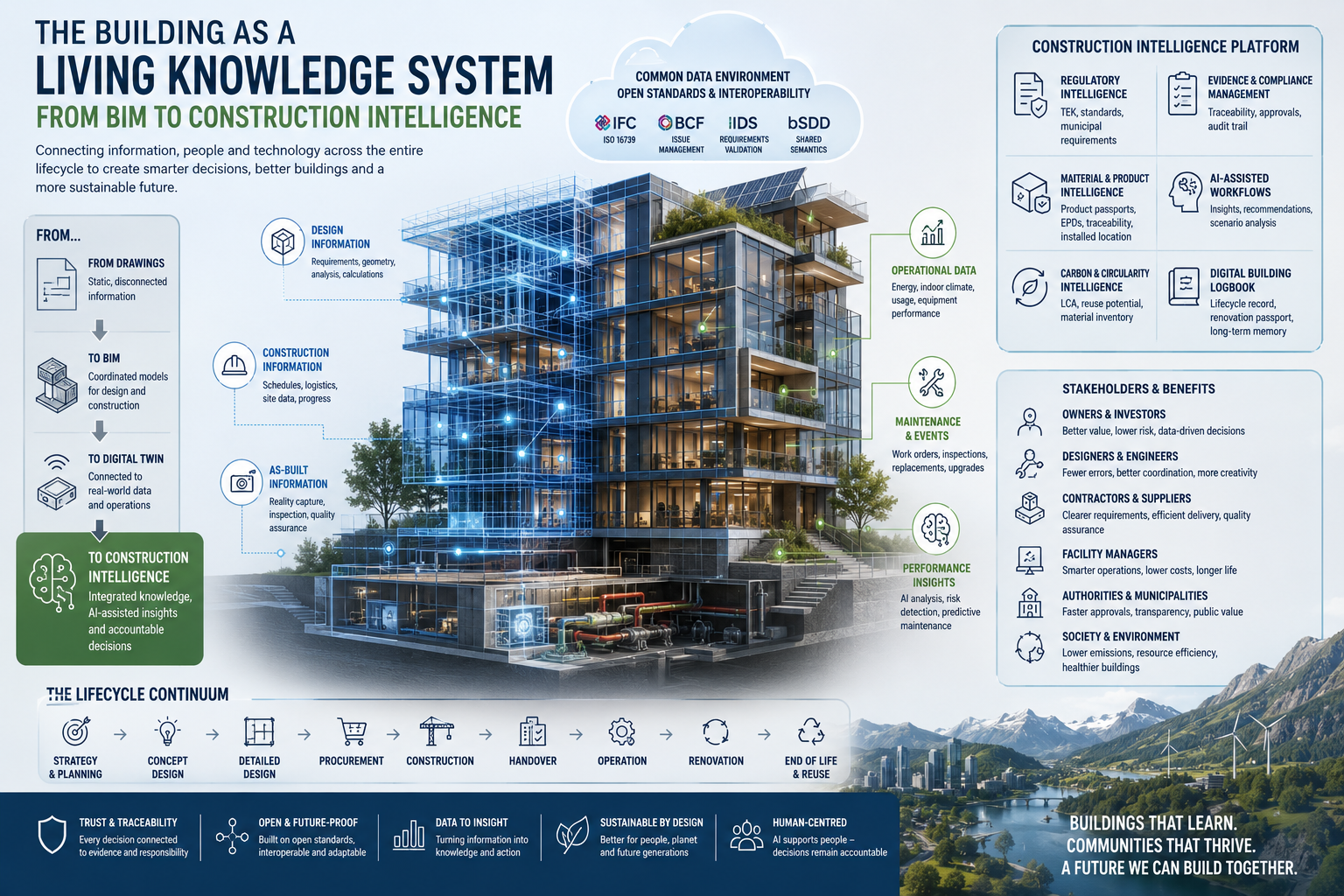
The Building as a Living Knowledge System: From BIM to Construction Intelligence

Why the next transformation of construction will connect models, regulations, mat title:** From BIM to Construction Intelligence: The Living Building Meta description: Discover how BIM, digital twins, open standards, building logbooks, product passports and AI can transform buildings into living knowledge systems.Suggested URL slug: /from-bim-to-construction-intelligence-living-building/Primary keyword: Construction IntelligenceSecondary keywords: BIM digital twin, openBIM, digital building […]

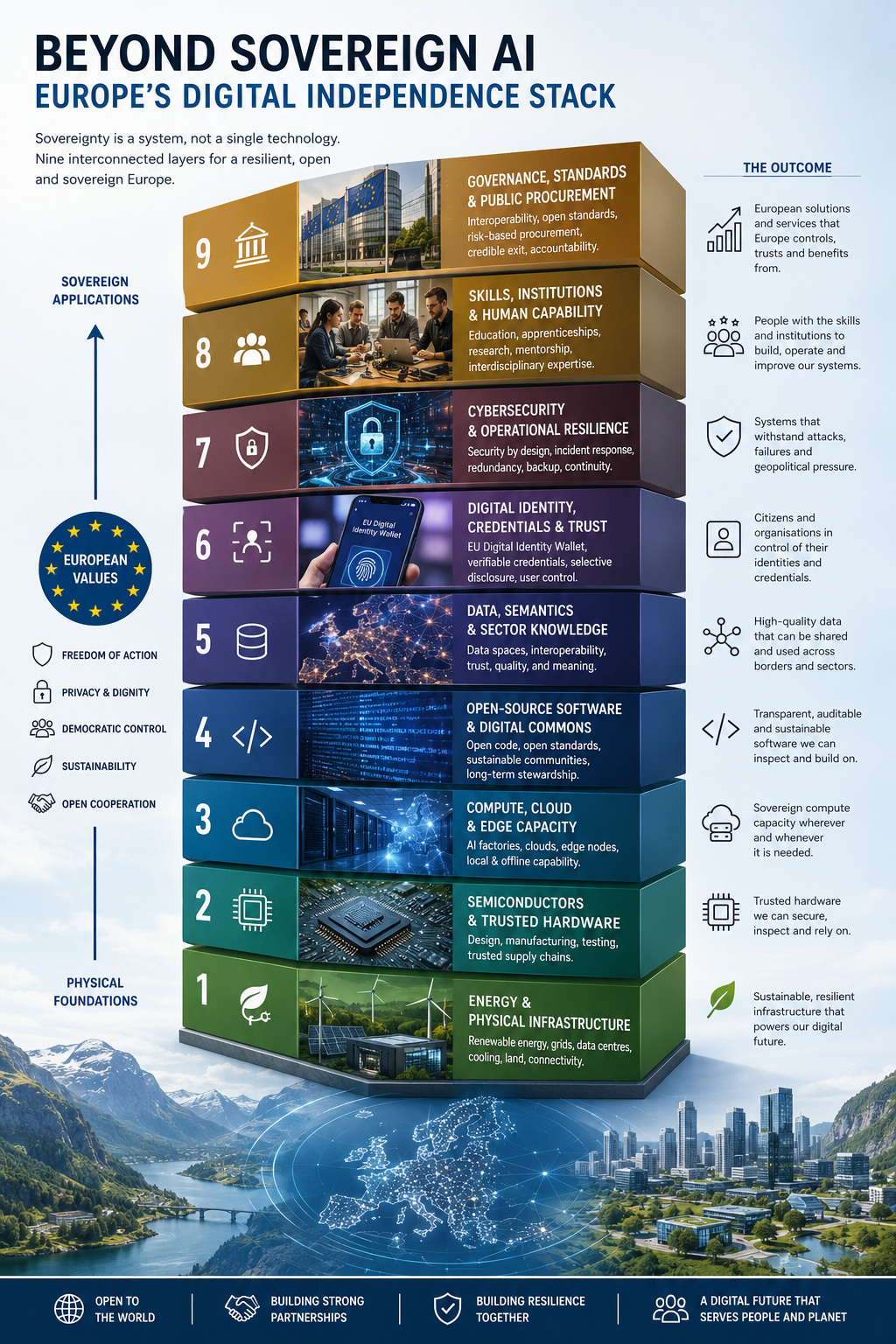
Beyond Sovereign AI: Building Europe’s Complete Digital Independence Stack

Why Europe must control more than artificial intelligence models to preserve freedom of action in the digital age SEO title: Beyond Sovereign AI: Europe’s Digital Independence StackMeta description: European digital sovereignty requires more than local AI models. Explore the complete stack—from energy, semiconductors and cloud to open-source software, data, identity, cybersecurity and skills.Suggested URL slug: […]

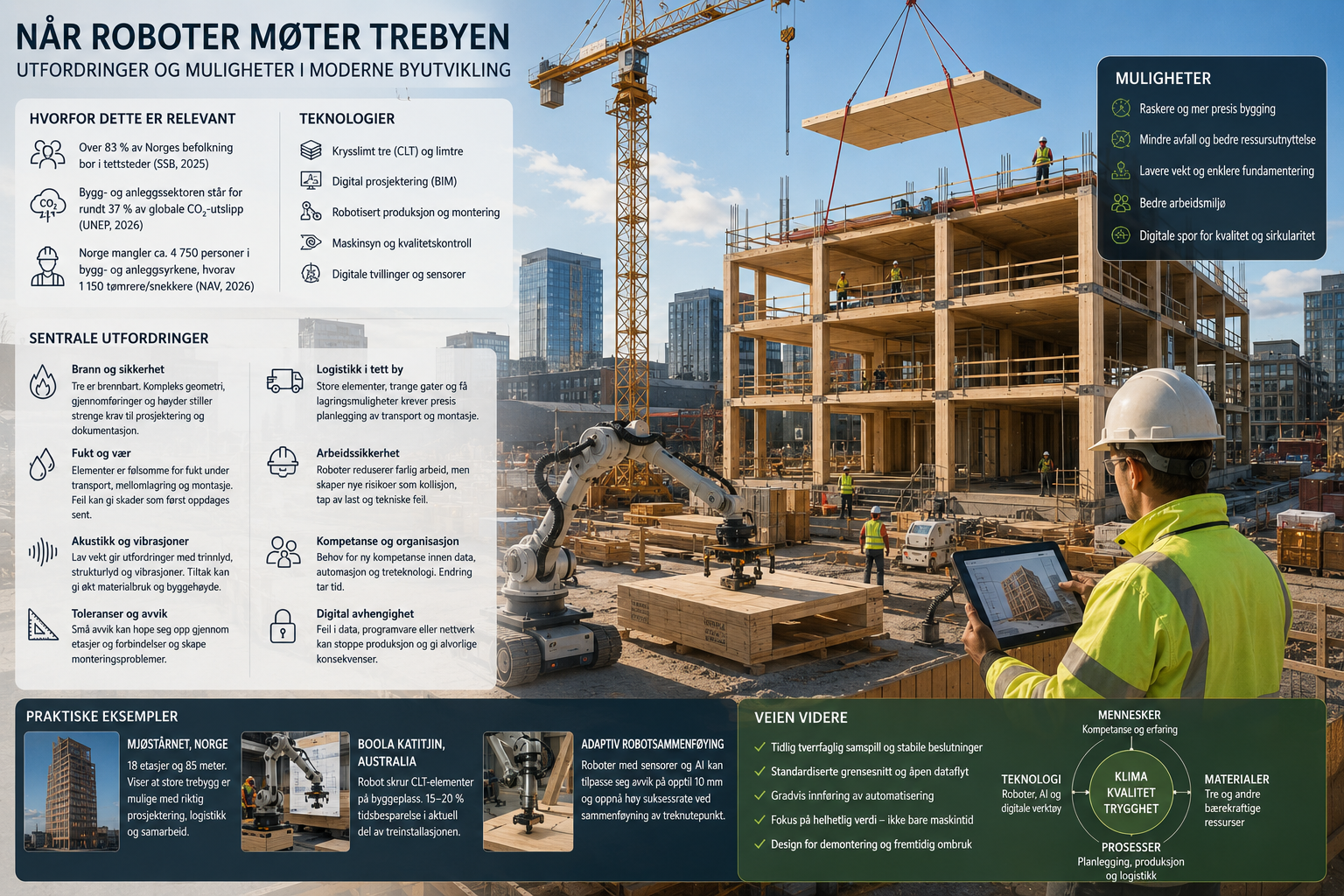
Når roboter møter trebyen

Utfordringer ved innføring av automatisering og moderne tømmerteknologi i byutviklingsprosjekter Sammendrag Automatisering, kunstig intelligens, robotikk, bygningsinformasjonsmodellering og industrielle treprodukter er i ferd med å endre hvordan urbane byggeprosjekter planlegges og gjennomføres. Krysslimt tre, limtre, finértre, prefabrikkerte moduler og digitalt produserte forbindelser gjør det mulig å oppføre større og mer komplekse trebygg enn tidligere. Samtidig kan […]

Fra rivningsvirke til dokumentert ressurs

Hvordan kunstig intelligens, maskinsyn og robotikk kan industrialisere ombruk og høyverdig gjenvinning av trevirke Sammendrag Trevirke fra rehabilitering, demontering og riving representerer en betydelig, men underutnyttet ressurs. Store deler av materialet har fortsatt teknisk og økonomisk verdi, men ender likevel i forbrenning, lavverdig materialgjenvinning eller deponering. Hovedårsaken er ikke nødvendigvis manglende materialkvalitet. Problemet er snarere […]

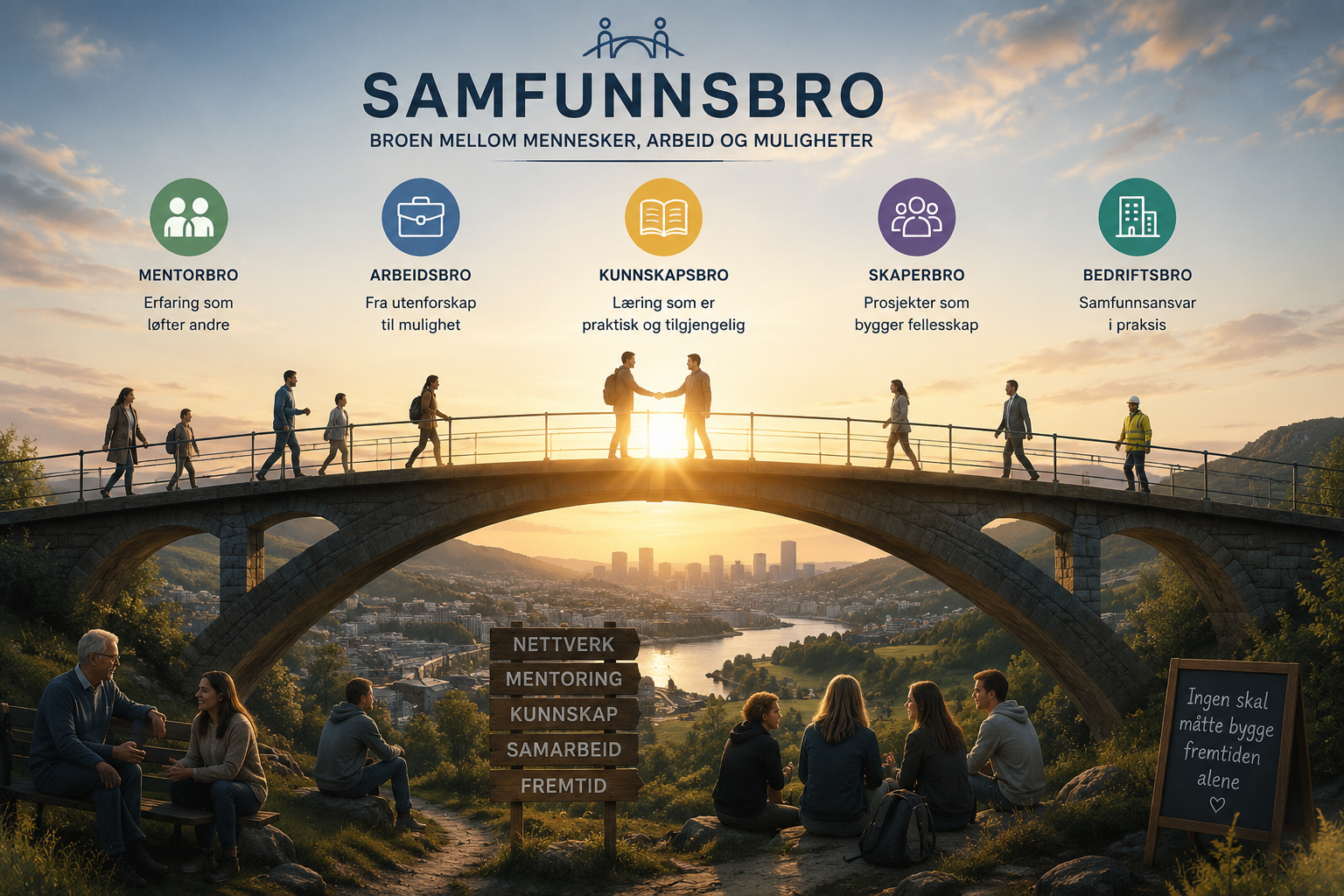
Hvorfor Norge trenger en SamfunnsBro mellom mennesker, arbeid og muligheter

En bro for mennesker som vil videre I en tid der verden endrer seg raskere enn noen gang, trenger vi nye måter å koble mennesker sammen på. Teknologi utvikler seg. Arbeidslivet endrer seg. Mange står utenfor, noen føler seg alene, og andre sitter med kunnskap, erfaring og ressurser som kunne vært til stor hjelp for […]

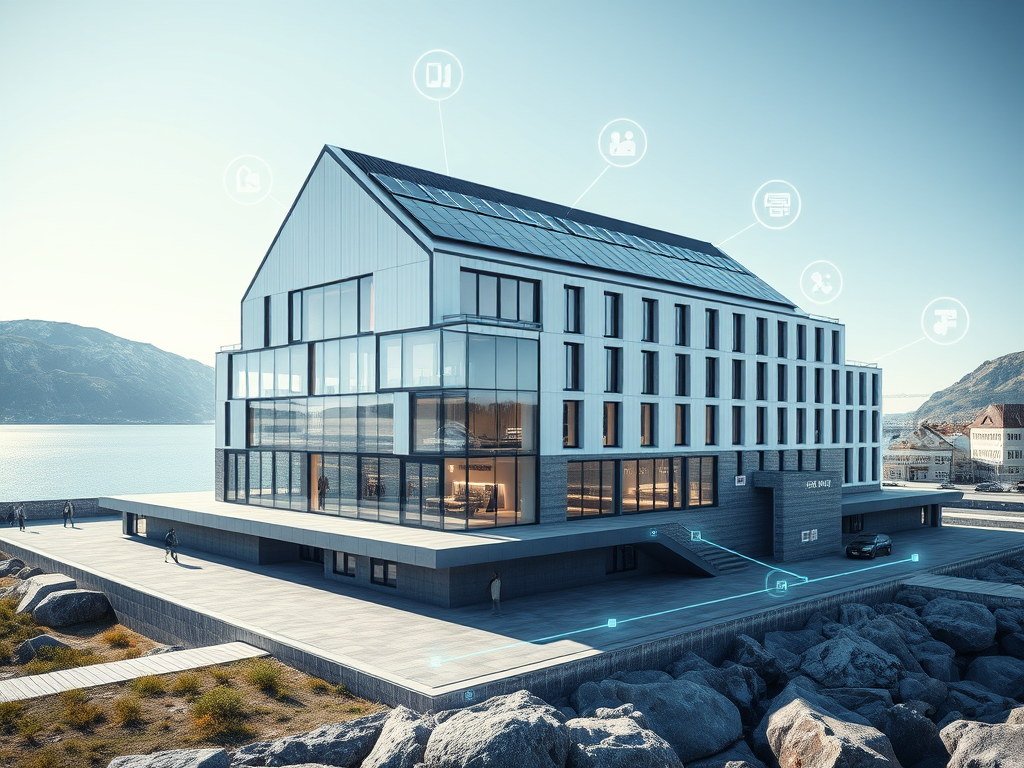
Optimizing Energy Performance with Digital Twins in Norwegian Buildings

This case study illustrates the application of a digital twin in Norway’s building sector, addressing compliance with TEK17 and NS 3701 regulations. The approach ensures continuous monitoring of energy performance, offering improvements like energy savings and enhanced comfort. It aligns with future TEK26 goals for greater digital regulation and automatic compliance checks.

Understanding Yule: A Journey Through History and Modern Practices

The article explores the significance of “Yule tider,” tracing its origins from pre-Christian Germanic and Norse traditions through Christianization to modern global practices. It highlights Yule’s role in community bonding during winter’s darkness and addresses contemporary challenges like commercialization and environmental impact while emphasizing the adaptability and evolving meanings of Yuletide traditions today.

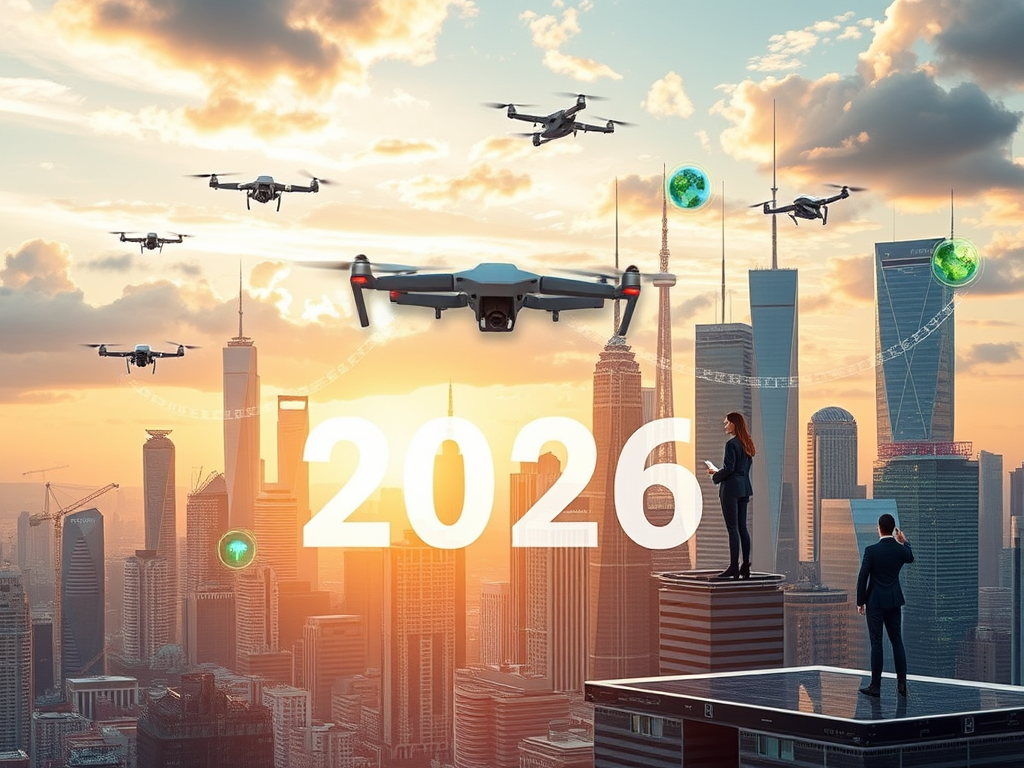
Preparing for 2026: Insights into AI, Climate, and Work Dynamics

The article emphasizes that 2026 is pivotal for navigating converging trends in AI, climate change, and workforce dynamics. It advocates for proactive, scenario-based planning rather than static goal-setting, addressing resilience and adaptability across individuals and organizations. Key themes include AI integration, sustainability, and a strong focus on skills development to thrive in an uncertain future.

Building the Future: Regenerative Architecture

The future of architecture emphasizes sustainability beyond mere reduction of harm, focusing on regenerative design that enhances ecosystems and community well-being. Innovations include carbon-storing materials, circular building practices, and designs integrating nature, fostering human comfort. Sustainability intertwines accountability and beauty, prompting a shift towards buildings that enrich rather than deplete resources.

Planning for 2026: Navigating Uncertainty and Change

The content details a planning framework for 2026, highlighting the challenges posed by economic fragility, climate change, AI adoption, and regulatory changes. Organizations should focus on building capabilities that ensure resilience across various scenarios, as predictions become less reliable. Major global events in 2026 will also impact logistics and resilience strategies.

Top 5 Technologies Reshaping 2026

In 2026, five transformative technologies will reshape economies and address climate challenges: agentic AI will enhance workflows across sectors; spatial computing will revolutionize interaction with data; robotics will improve efficiency and address labor issues; bioengineering will innovate health solutions; and climate tech will support sustainable energy infrastructure.

Step-by-Step Playbook for Norwegian Net-Zero Homes

The article outlines the transition towards net-zero homes in Norway, merging traditional building methods with modern technology to achieve sustainability. It provides a detailed guide for architects, builders, and homeowners on design principles, materials, and community engagement, demonstrating how these homes honor heritage while pushing forward climate goals and energy efficiency.

Smart Timber Homes: The Next Evolution in Sustainable Living

This post discusses the evolution of a future-ready timber home, highlighting the integration of AI in design, robot-assisted fabrication, and smart technology. It emphasizes faster construction, circular materials, and enhanced living spaces. The focus is on sustainability, efficiency, and adapting existing technologies to create intelligent, environmentally friendly homes for future generations.

High-Tech Cladding: Transforming Building Façades

The article discusses the evolution of building façades from simple weather barriers to advanced systems that integrate solar energy, climate management, and data communication. It highlights various high-tech cladding innovations, including photovoltaic panels, dynamic façades, bio-based materials, and sensor-rich technologies, emphasizing performance, sustainability, and long-term value in modern architecture.

Understanding Isotopes: Tracing Urban Flows and Metabolisms

Isotopes provide a powerful lens for understanding environmental flows, revealing the intricate metabolisms of cities and ecosystems. They allow precise tracing of water, carbon, nutrients, and materials, transforming vague claims into substantiated data. This isotopic approach fosters informed decision-making in urban planning and sustainability efforts, moving beyond mere narratives to evidence-based practices.

Understanding Isotopes: Key to Future Material Innovations

The article discusses the role of isotopes in understanding and enhancing materials, from their origins to their behaviours under various conditions. Isotopes serve as markers for tracing material history, measuring degradation, and ensuring responsible sourcing. The insights gained can lead to improved material design and sustainable practices in construction and manufacturing.

Understanding Environmental AI: The Future of Planetary Governance

The Earth is now perceived as a data-rich entity thanks to AI advancements that enhance environmental monitoring, transforming passive observation into intelligent sensing. This paradigm shift promotes anticipatory governance amid ecological crises. Norway exemplifies ethical AI integration while addressing challenges such as data bias, resource intensity, and the need for participatory stewardship.

Maximizing Energy Efficiency with Sustainable Roof Systems

Roofs are essential for more than shelter; they regulate temperature, manage water, and support energy systems. Sustainable roof construction integrates historical lessons, current practices, and future innovations. This article emphasizes the importance of roofs in urban resilience, energy efficiency, and resource management, urging a holistic approach to design and implementation.

Valuable Sustainable Lessons and Insights from International Models: Germany and Denmark

This article explores the sustainable practices of Germany and Denmark, highlighting their historical evolution and current relevance. It emphasizes the need for bold policies and community engagement in achieving sustainability. As leaders in environmental innovation, both nations provide valuable lessons on adapting strategies globally, promoting a resilient and eco-conscious future.

Will the Tech Giants Share AI with the People—or Hoard the Wealth?

The article examines AI’s transformative potential and economic impact, highlighting the significant investments by tech giants. It questions whether AI will promote equality or exacerbate divisions. While some initiatives aim for public benefit, access and innovation remain largely restricted. The future may trend towards a balance between corporate control and open access, driven by public and governmental pressures.

Share with