
Technology

Beyond the Chemical Burn: The Next Generation of Space Propulsion

For more than half a century, humanity’s expansion into space has relied on a singular, brute-force method: lighting highly combustible chemicals on fire and riding the controlled explosion into orbit. Chemical rockets like the Saturn V and the Falcon 9 are marvels of engineering, but they are entirely bound by what physicists call the tyranny […]
Fully Bio-Based Wood Bonding: How Regenerated Cellulose Could Transform Sustainable Mass Timber

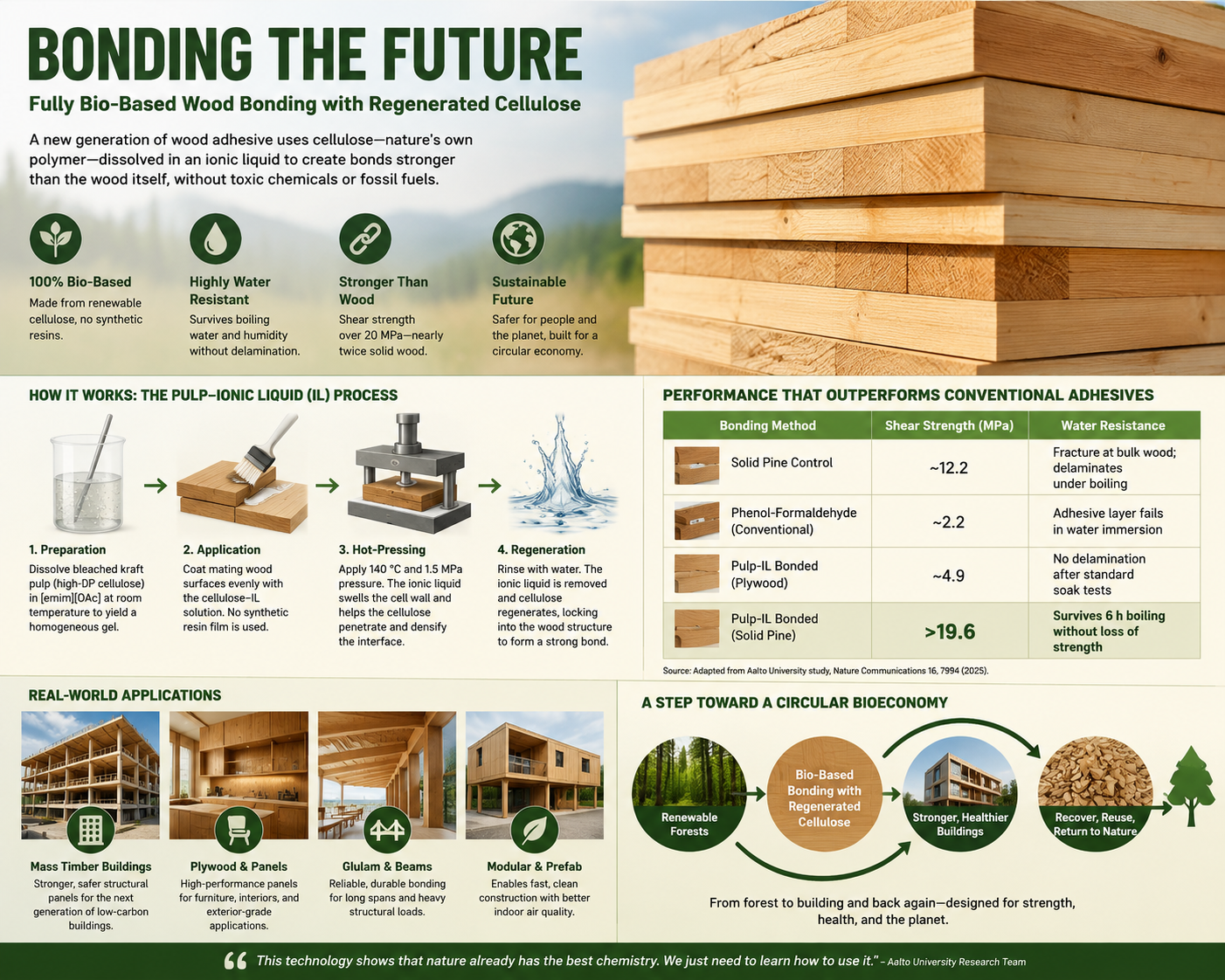
Introduction: Why the Glue Matters as Much as the Wood Mass timber is often celebrated as one of the most promising materials for lower-carbon construction. It is renewable, strong for its weight, prefabrication-friendly, and capable of storing biogenic carbon for decades when used in buildings. Yet there is a quiet contradiction at the heart of […]

From Waste Timber to Circular Architecture: The No-Waste® Floor by HERSO and the Future of Reclaimed Wood in Sustainable Construction

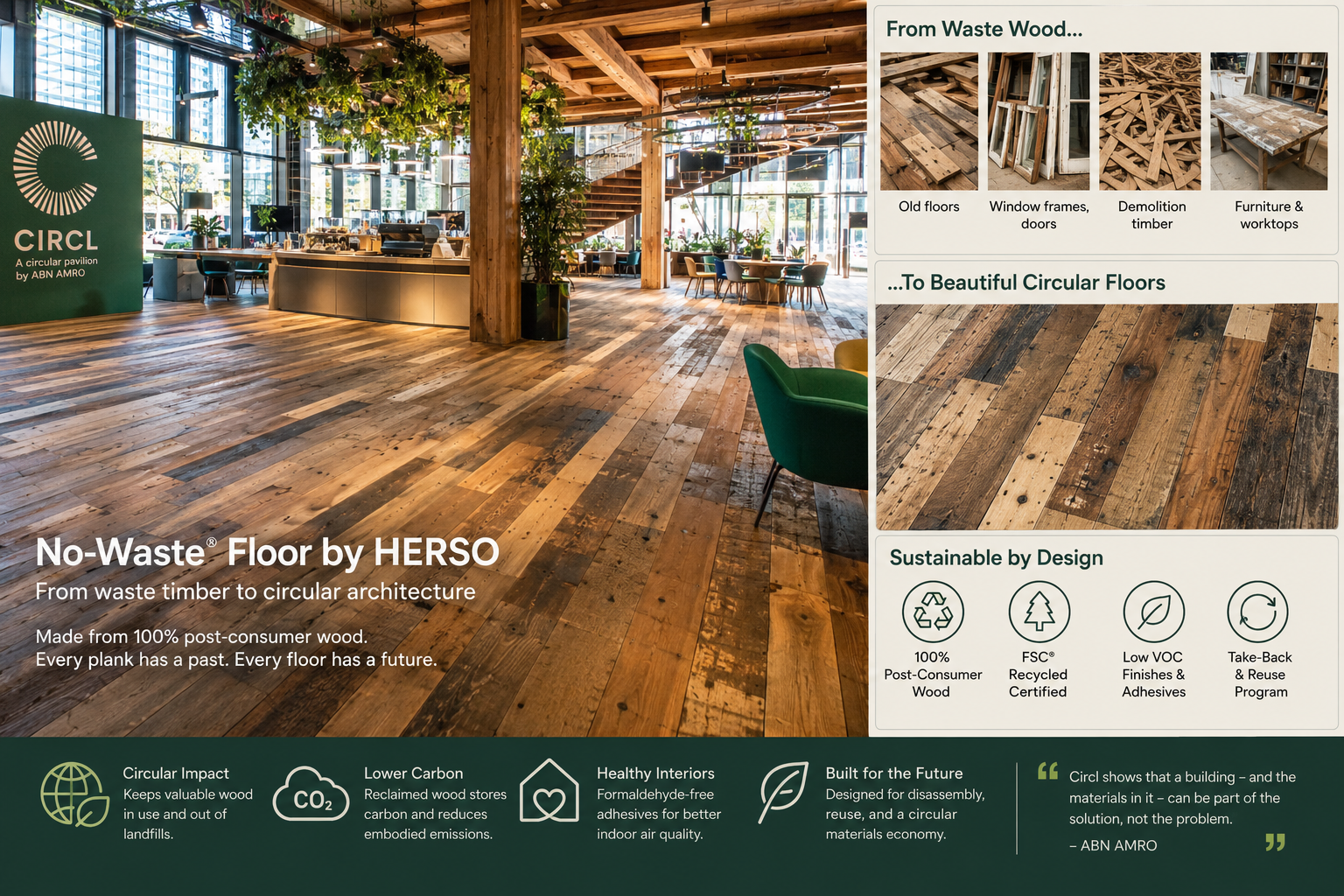
Introduction: Why a Floor Can Matter More Than It Seems A floor is easy to overlook. It sits beneath the daily life of a building, carrying footsteps, furniture, dust, work, ceremony, and time. Yet in sustainable architecture, the floor is not a passive surface. It is a material decision with consequences: where timber comes from, […]

Phyto Symbiotic Seat and the Future of Living Urban Furniture: A Biophilic Design Innovation

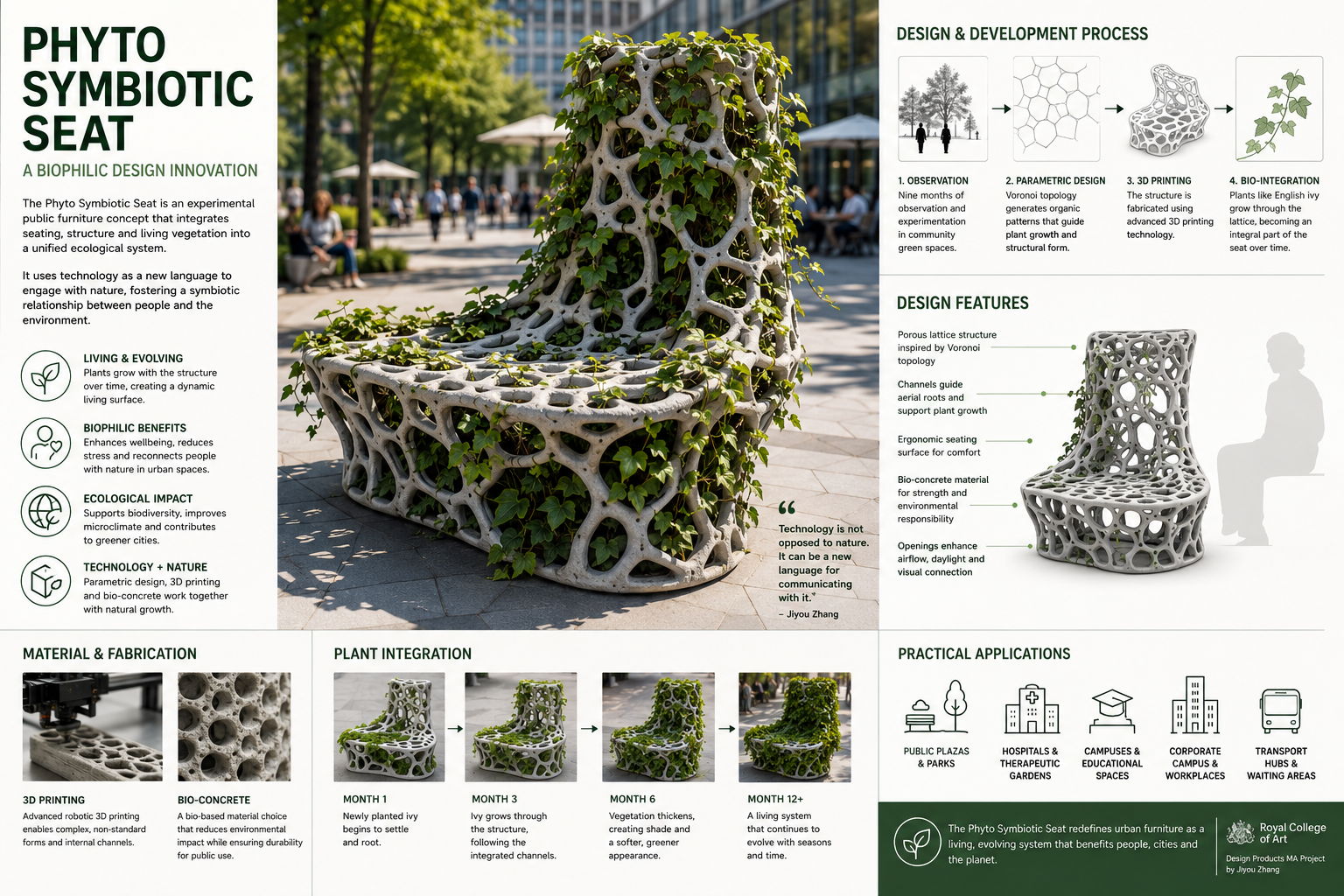
Introduction: Why a Living Seat Matters in the Age of Dense Cities Cities are among humanity’s greatest inventions, but they are also among its most stressful habitats. They concentrate culture, commerce, education, healthcare, and opportunity, yet they often separate people from the natural systems that sustain psychological wellbeing, ecological resilience, and sensory richness. In many […]

Unmasking the Debt Trap: Money Creation, Inflation, and the Future of Financial Freedom

Introduction: Why Money Creation Matters Money feels simple when we use it. We earn it, spend it, borrow it, save it, and lose sleep over it. Yet behind every payment, mortgage, government budget, and interest-rate decision lies a system most citizens never truly see: the modern monetary machine. In a recent discussion on Wolfgang Wee […]

ReDigitalBeing / RoomZero: Building a Responsible Digital-Being Simulation Platform for the Agentic AI Era

Introduction: Why ReDigitalBeing Matters Now ReDigitalBeing is best understood as a research-oriented attempt to answer one of the most important questions in contemporary artificial intelligence: how can we build persistent, emotionally coherent, memory-aware digital beings without pretending they are conscious, uncontrolled, or ethically neutral? Its current technical core, RoomZero, is described in the project repository […]

The Cosmos, the Energies, and the Music

A Guide to the Universe as Matter, Motion, Vibration, and Meaning Introduction: Is the Universe Singing? The idea that the cosmos has music is ancient, beautiful, and surprisingly modern. For thousands of years, philosophers, mystics, mathematicians, astronomers, and musicians have imagined the universe as an ordered harmony: planets moving in ratios, stars pulsing like instruments, […]

Deep Research Brief: The Potential of Mycelium

Executive Summary Mycelium has large potential, but not in one single “miracle” direction. Its strongest near-term potential is in soil health, ecological restoration, sustainable packaging, insulation, alternative protein, enzyme production, and selected bioremediation uses. Its more speculative potential lies in structural building materials, leather-like fashion materials, living electronics, large-scale carbon sequestration, and “wood-wide web” forest […]

Let AI Do the Screen Work: Why Computer Technology Should Serve Human Time in Nature

Introduction: The Point of Technology Is Not More Screens The central promise of technology has always been liberation: fewer hours spent on repetitive labor, more capacity for thought, creativity, relationships, and contact with the living world. Yet the computer age has often produced the opposite. Instead of machines quietly handling routine work in the background, […]

Auditing the Latest BCI Breakthroughs: What Has Actually Changed, What Still Fails, and Why This Moment Matters

Introduction Brain-computer interfaces, or BCIs, are often described in language that is either embarrassingly inflated or embarrassingly outdated. In one direction lies the fantasy of effortless “mind reading.” In the other lies the stale assumption that BCIs are still little more than laboratory cursor tricks with no serious translational future. Both views are wrong. The […]

Personalized Gene Editing: A Game Changer for Ultra-Rare Disorders

Introduction Personalized gene editing sits at the edge of a profound shift in medicine. For decades, the treatment of genetic disease has been constrained by a hard economic and scientific reality: the rarer the mutation, the less likely it is that a conventional drug-development model will produce a therapy. Pharmaceutical pipelines have historically favored diseases […]

Norway’s Energy Policy: Achieving Climate Targets with TEK26

How Norwegian energy policy and “TEK26” can work together to hit climate targets On a dark January afternoon, Norway’s energy story becomes almost tactile. You feel it in the hum of ventilation fans, in the heat that leaks through an aging window frame, in the electric load that surges when temperatures drop and everyone—homes, schools, […]

Optimizing Energy Performance with Digital Twins in Norwegian Buildings

This case study illustrates the application of a digital twin in Norway’s building sector, addressing compliance with TEK17 and NS 3701 regulations. The approach ensures continuous monitoring of energy performance, offering improvements like energy savings and enhanced comfort. It aligns with future TEK26 goals for greater digital regulation and automatic compliance checks.

End of Passwords: The Rise of Passkeys

For over fifty years, passwords have been the primary digital security method, but they now face major vulnerabilities due to the increase in online accounts. Passkeys, a cryptographic, passwordless authentication method, are rapidly gaining adoption, demonstrating improved security and user experience. This marks a significant shift towards more efficient digital authentication.

Understanding Embodied Carbon in Concrete: A Key Design Variable

The article discusses the increasing importance of embodied carbon in concrete, especially as operational energy efficiency improves. It focuses on the shift towards low-carbon materials, like geopolymers and alternative binders, driven by European policies and market demand. Strategies for effective COâ‚‚ budgeting in design and construction practices are highlighted for engineers.

Transforming Compliance: From Burden to Integrated Design

The article discusses transforming compliance from a burdensome afterthought into an integral part of organizational architecture through a compliance-by-design pipeline. Key components include automating policy enforcement, ensuring traceability of actions, and creating reusable documentation. This approach promotes efficiency, reduces duplication, and fosters continuous improvement, ultimately enhancing organizational trust and compliance management.

Transforming Construction with Agentic AI: A Comprehensive Guide

Agentic AI has evolved from conversational systems to autonomous agents capable of performing significant operational tasks. This shift raises new risks related to governance, accountability, and cybersecurity. As organizations, especially in construction, adopt agentic AI, they must establish robust frameworks for oversight, transparency, and compliance to ensure safety and manage systemic risks effectively.

Planning for 2026: Navigating Uncertainty and Change

The content details a planning framework for 2026, highlighting the challenges posed by economic fragility, climate change, AI adoption, and regulatory changes. Organizations should focus on building capabilities that ensure resilience across various scenarios, as predictions become less reliable. Major global events in 2026 will also impact logistics and resilience strategies.

Top 5 Technologies Reshaping 2026

In 2026, five transformative technologies will reshape economies and address climate challenges: agentic AI will enhance workflows across sectors; spatial computing will revolutionize interaction with data; robotics will improve efficiency and address labor issues; bioengineering will innovate health solutions; and climate tech will support sustainable energy infrastructure.

Smart Timber Homes: The Next Evolution in Sustainable Living

This post discusses the evolution of a future-ready timber home, highlighting the integration of AI in design, robot-assisted fabrication, and smart technology. It emphasizes faster construction, circular materials, and enhanced living spaces. The focus is on sustainability, efficiency, and adapting existing technologies to create intelligent, environmentally friendly homes for future generations.

Benefits of Building with Timber Houses

Timber houses, once seen as traditional, are emerging as sustainable, high-performance building options. Modern timber construction utilizes renewable materials and advanced engineering, ensuring lower carbon footprints and better indoor environments. Fire safety, durability, and energy efficiency are addressed effectively, making wooden homes an appealing choice for future-oriented living and environmental responsibility.

High-Tech Cladding: Transforming Building Façades

The article discusses the evolution of building façades from simple weather barriers to advanced systems that integrate solar energy, climate management, and data communication. It highlights various high-tech cladding innovations, including photovoltaic panels, dynamic façades, bio-based materials, and sensor-rich technologies, emphasizing performance, sustainability, and long-term value in modern architecture.

Understanding Isotopes: Tracing Urban Flows and Metabolisms

Isotopes provide a powerful lens for understanding environmental flows, revealing the intricate metabolisms of cities and ecosystems. They allow precise tracing of water, carbon, nutrients, and materials, transforming vague claims into substantiated data. This isotopic approach fosters informed decision-making in urban planning and sustainability efforts, moving beyond mere narratives to evidence-based practices.

Understanding Isotopes: Key to Future Material Innovations

The article discusses the role of isotopes in understanding and enhancing materials, from their origins to their behaviours under various conditions. Isotopes serve as markers for tracing material history, measuring degradation, and ensuring responsible sourcing. The insights gained can lead to improved material design and sustainable practices in construction and manufacturing.

Share with