Overview

Preparing for 2026: Insights into AI, Climate, and Work Dynamics

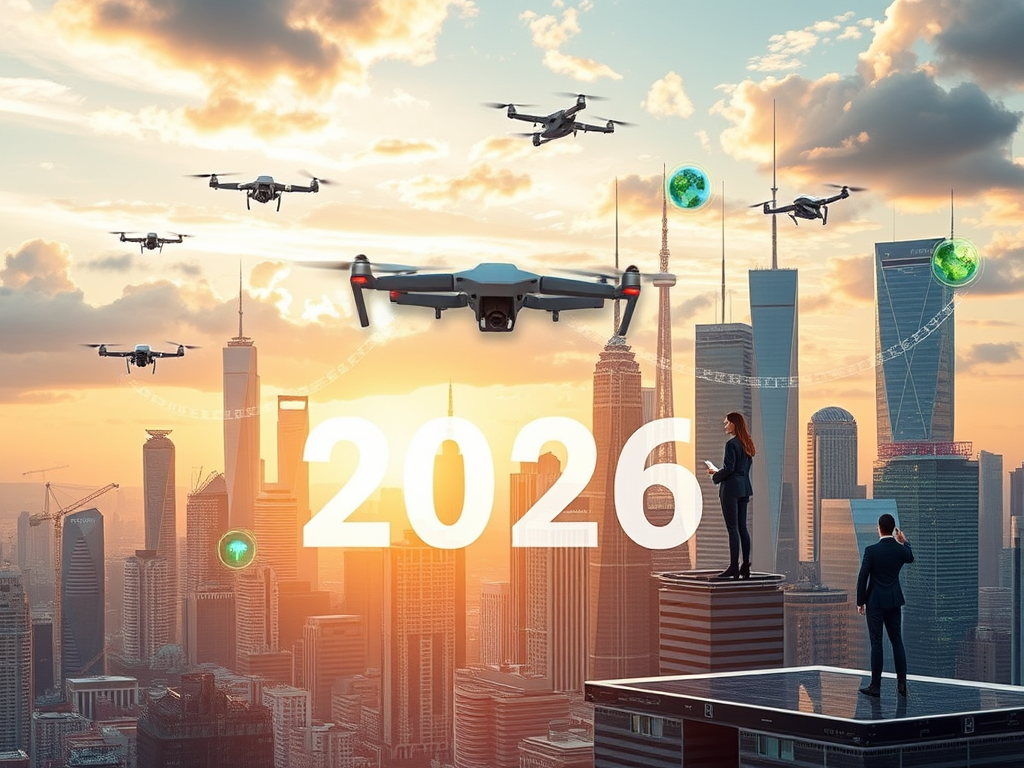
The article emphasizes that 2026 is pivotal for navigating converging trends in AI, climate change, and workforce dynamics. It advocates for proactive, scenario-based planning rather than static goal-setting, addressing resilience and adaptability across individuals and organizations. Key themes include AI integration, sustainability, and a strong focus on skills development to thrive in an uncertain future.

Creating a Sustainable Bedroom: Health and Environment Combined

The sustainable bedroom serves as a vital intersection of health, ecology, and comfort. By prioritizing low-emission materials, efficient energy use, and optimal indoor air quality, we can transform bedrooms into restorative spaces. Addressing historical design trends and current challenges, the article provides strategies for enhancing bedroom sustainability while emphasizing ongoing innovations and practical applications.

The Truth About Heavy Metals: Science and Society

This article explores the complex relationship between heavy metals and public health, discussing their historical presence and ongoing risks in modern life. It highlights how metals like lead and mercury persist in the environment and impact human health through exposure routes. The focus is on understanding speciation, regulatory measures, and the need for better governance to mitigate risks.

Sustainable Metal Practices for a Greener Future

This exploration of metals highlights their crucial role in civilization, from ancient metallurgy to modern applications in various industries. It discusses historical milestones, current challenges, and sustainability trends influencing the future of metallurgy. The piece aims to inspire understanding of metals’ significance and promotes responsible practices in their use and production.

Sustainable Living Room Ideas for Modern Homes

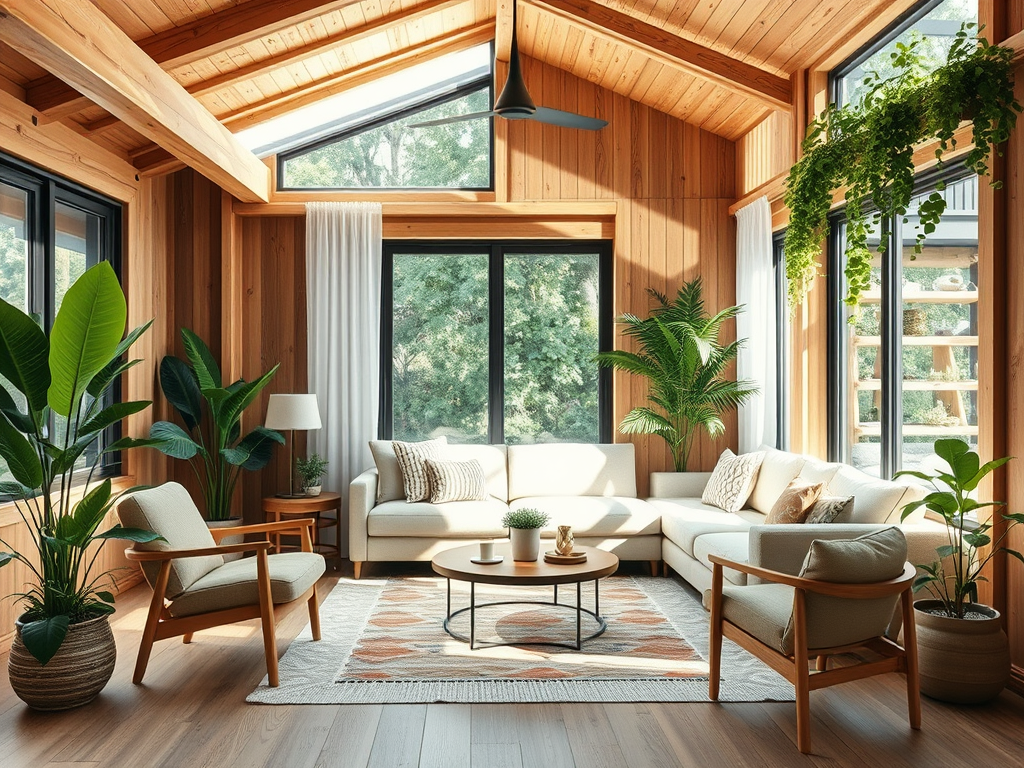
This article emphasizes the importance of creating sustainable living rooms that reflect personal style and environmental consciousness. It traces the historical evolution of sustainable design, highlights modern practices and materials, and discusses future innovations and challenges. It provides practical steps for homeowners to adopt eco-friendly choices in their living spaces.

Building the Future: Regenerative Architecture

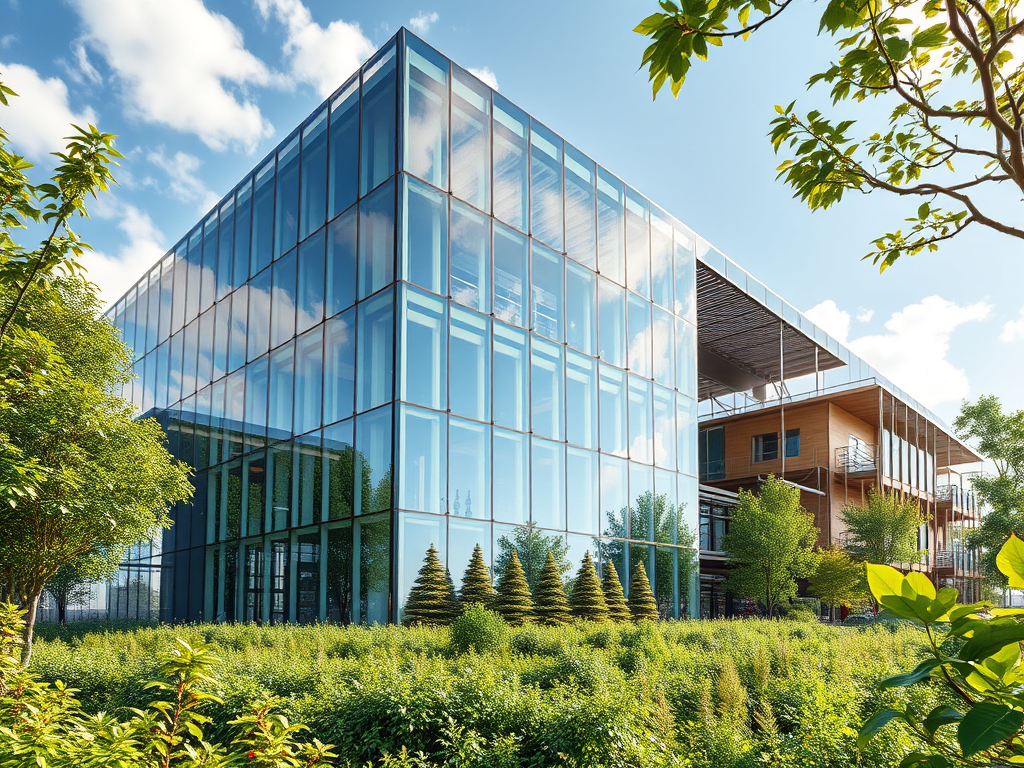
The future of architecture emphasizes sustainability beyond mere reduction of harm, focusing on regenerative design that enhances ecosystems and community well-being. Innovations include carbon-storing materials, circular building practices, and designs integrating nature, fostering human comfort. Sustainability intertwines accountability and beauty, prompting a shift towards buildings that enrich rather than deplete resources.

Planning for 2026: Navigating Uncertainty and Change

The content details a planning framework for 2026, highlighting the challenges posed by economic fragility, climate change, AI adoption, and regulatory changes. Organizations should focus on building capabilities that ensure resilience across various scenarios, as predictions become less reliable. Major global events in 2026 will also impact logistics and resilience strategies.

Exploring Poverty in Affluent Nations: A Hidden Crisis

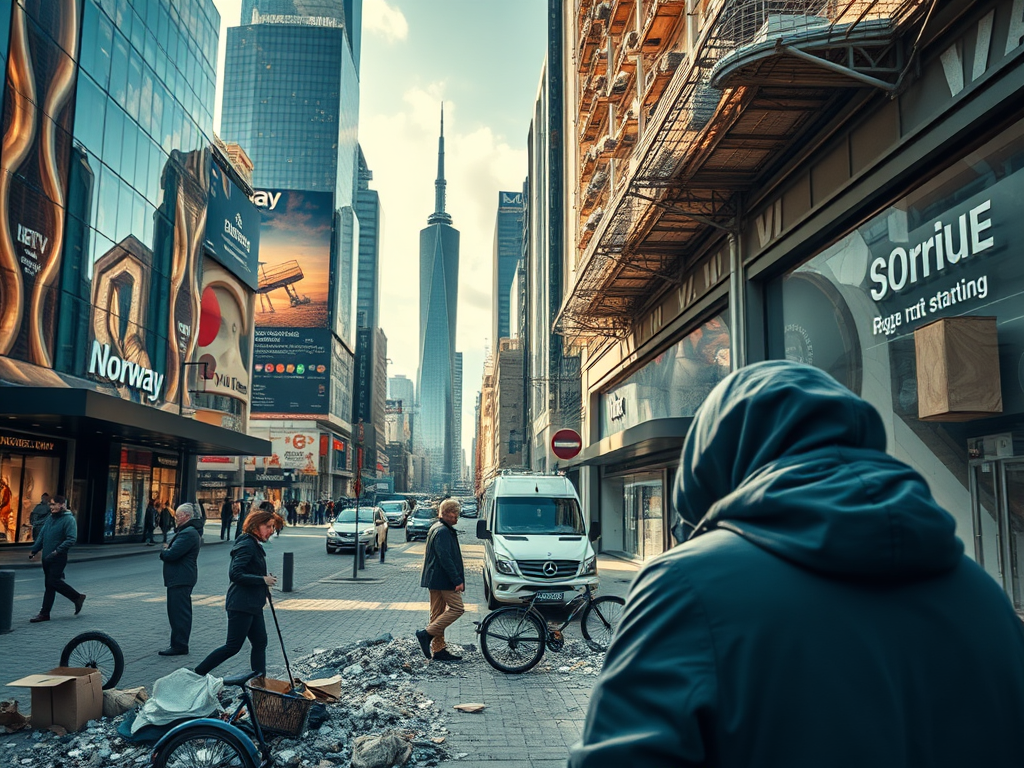
The exploration highlights the paradox of poverty existing within wealthy nations, emphasizing that wealth does not eliminate deprivation. Using Norway as a case study, it examines historical roots, contemporary forms, and implications of relative poverty. The analysis underscores the psychological and social impacts, advocating for innovative policies and empathy to bridge the gap.

Top 5 Technologies Reshaping 2026

In 2026, five transformative technologies will reshape economies and address climate challenges: agentic AI will enhance workflows across sectors; spatial computing will revolutionize interaction with data; robotics will improve efficiency and address labor issues; bioengineering will innovate health solutions; and climate tech will support sustainable energy infrastructure.

Aesthetic Inspirations in Art History

The article examines various artistic themes and aesthetics that resonate with human emotions and experiences. It highlights elements like aurora, bismuth, and eldritch, showcasing their unique contributions to art. Through these themes, artists capture beauty, complexity, and the interplay of nature, technology, and imagination, inspiring creativity across diverse mediums.

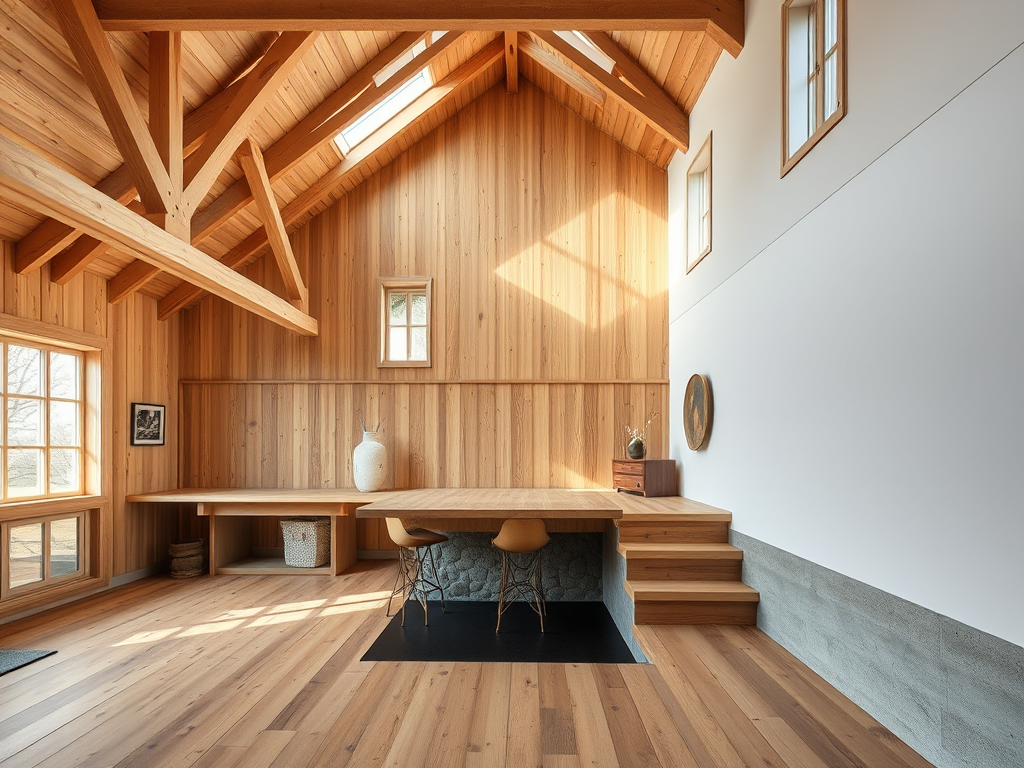
Smart Timber Homes: The Next Evolution in Sustainable Living

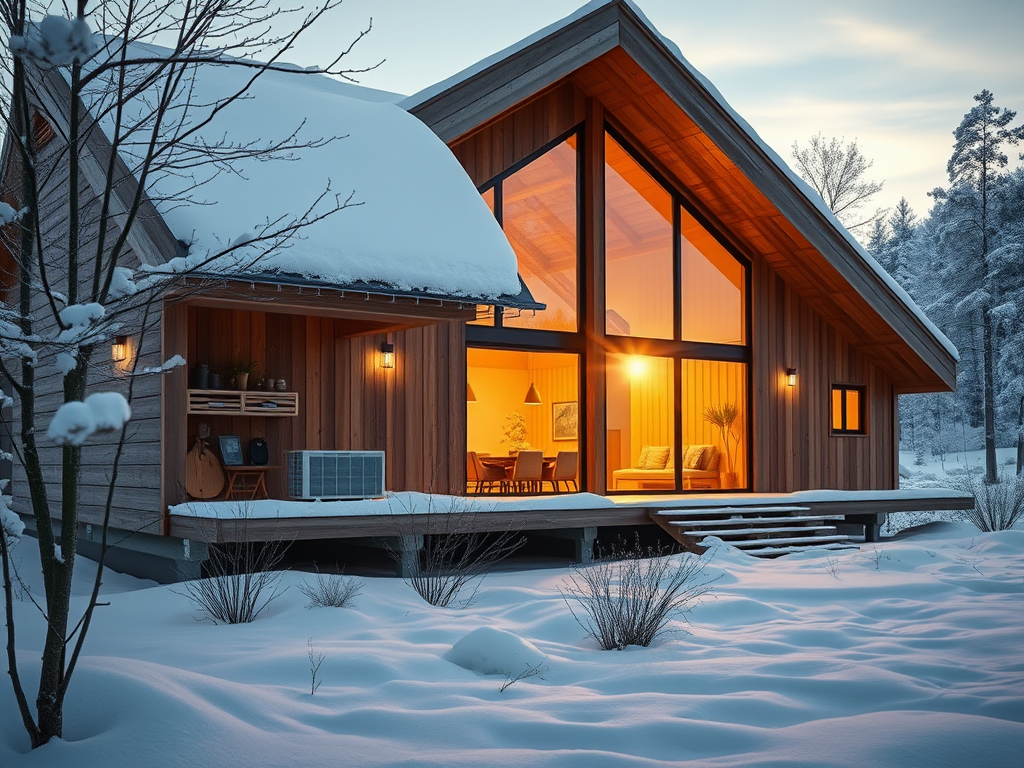
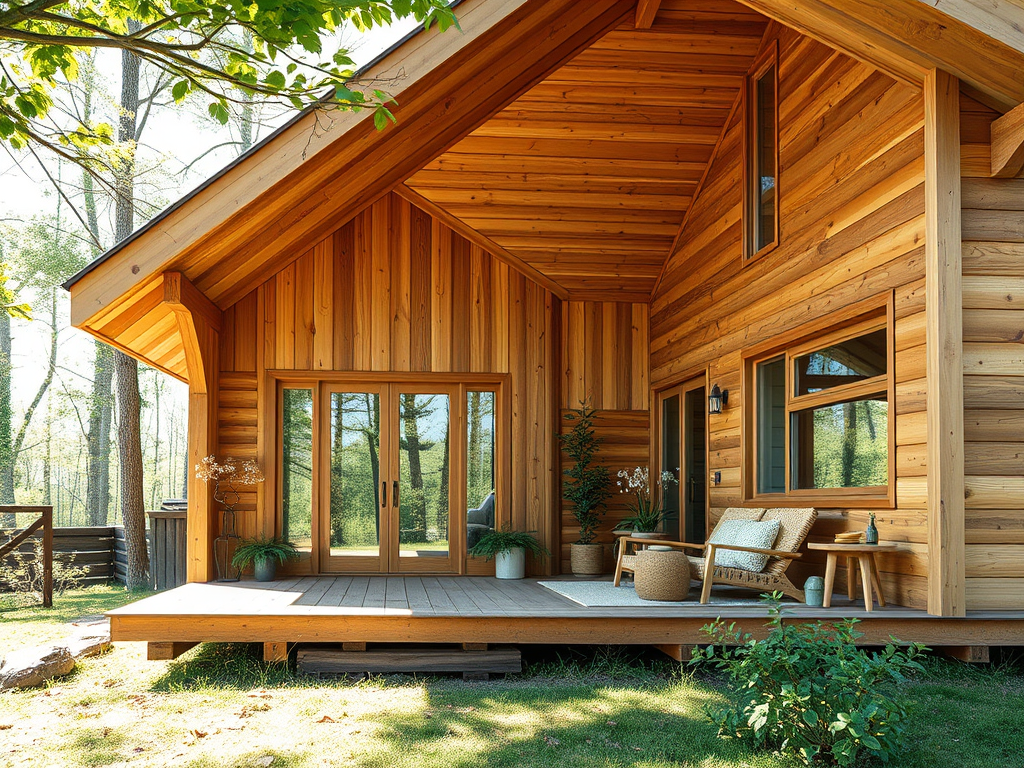
This post discusses the evolution of a future-ready timber home, highlighting the integration of AI in design, robot-assisted fabrication, and smart technology. It emphasizes faster construction, circular materials, and enhanced living spaces. The focus is on sustainability, efficiency, and adapting existing technologies to create intelligent, environmentally friendly homes for future generations.

Benefits of Building with Timber Houses

Timber houses, once seen as traditional, are emerging as sustainable, high-performance building options. Modern timber construction utilizes renewable materials and advanced engineering, ensuring lower carbon footprints and better indoor environments. Fire safety, durability, and energy efficiency are addressed effectively, making wooden homes an appealing choice for future-oriented living and environmental responsibility.

Understanding Isotopes: Tracing Urban Flows and Metabolisms

Isotopes provide a powerful lens for understanding environmental flows, revealing the intricate metabolisms of cities and ecosystems. They allow precise tracing of water, carbon, nutrients, and materials, transforming vague claims into substantiated data. This isotopic approach fosters informed decision-making in urban planning and sustainability efforts, moving beyond mere narratives to evidence-based practices.

Understanding Isotopes: Key to Future Material Innovations

The article discusses the role of isotopes in understanding and enhancing materials, from their origins to their behaviours under various conditions. Isotopes serve as markers for tracing material history, measuring degradation, and ensuring responsible sourcing. The insights gained can lead to improved material design and sustainable practices in construction and manufacturing.

Understanding Environmental AI: The Future of Planetary Governance

The Earth is now perceived as a data-rich entity thanks to AI advancements that enhance environmental monitoring, transforming passive observation into intelligent sensing. This paradigm shift promotes anticipatory governance amid ecological crises. Norway exemplifies ethical AI integration while addressing challenges such as data bias, resource intensity, and the need for participatory stewardship.

Nano-Infused Construction: Innovating Infrastructure for Sustainability

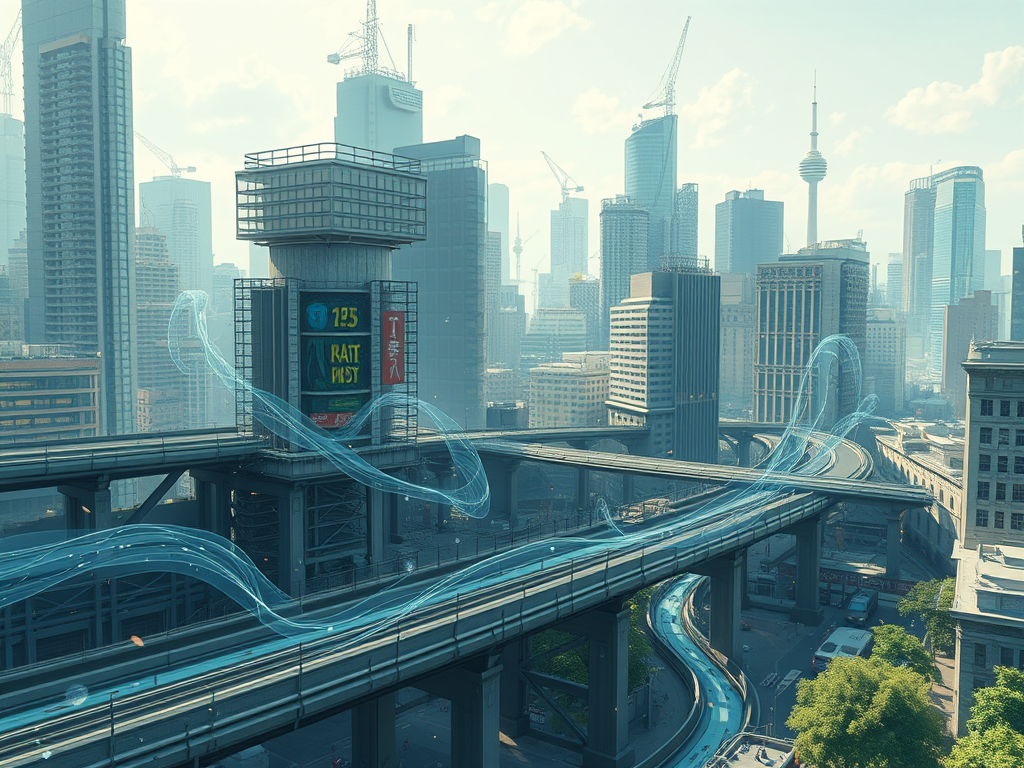
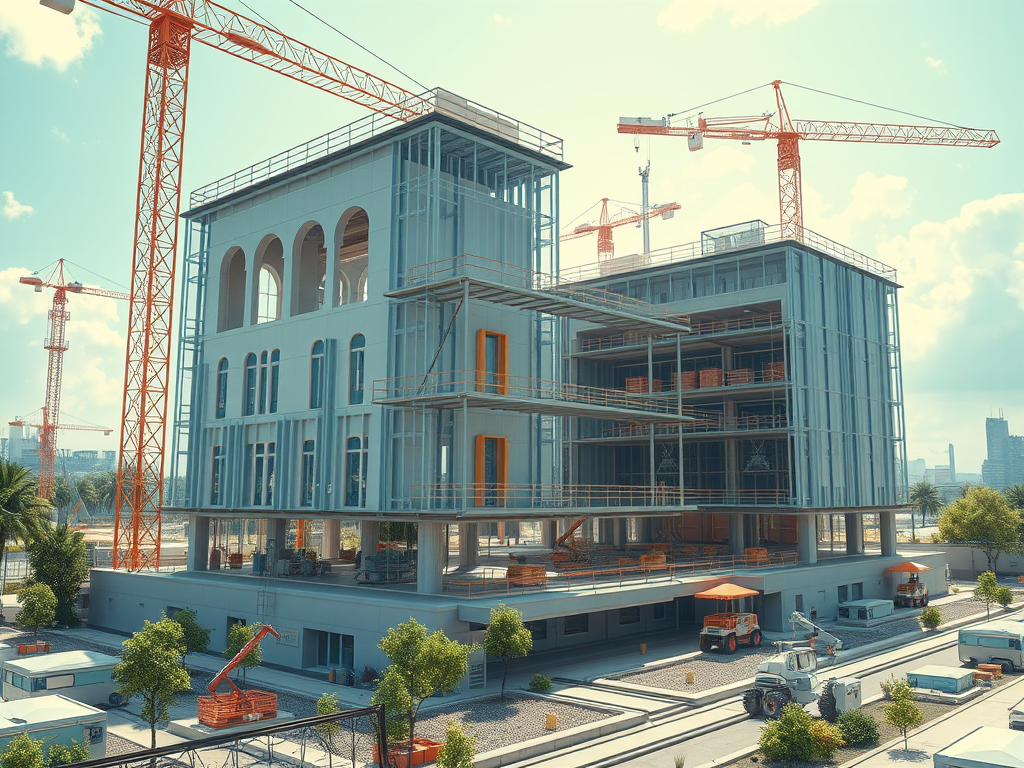
This article examines the merging of nanotechnology and construction technology, highlighting their historical development and current trends. It discusses practical applications such as self-cleaning surfaces and smart materials, while addressing challenges like cost and health risks. The fusion points toward a sustainable future, emphasizing digital integration and enhanced materials for improved construction processes.

Maximizing Energy Efficiency with Sustainable Roof Systems

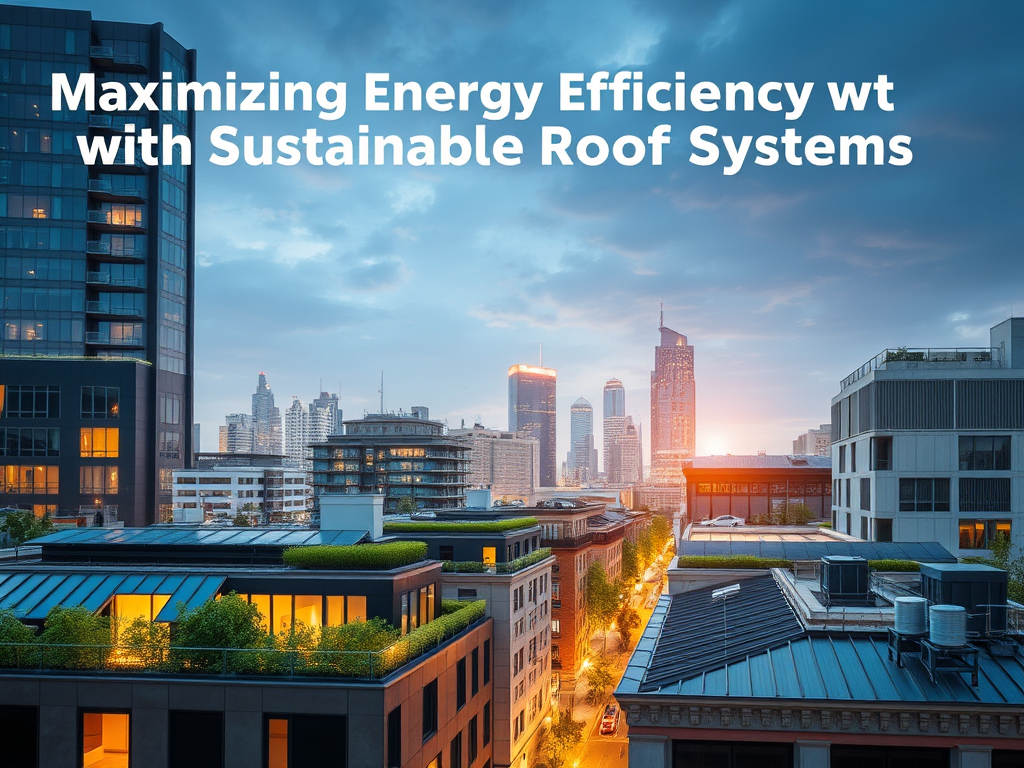
Roofs are essential for more than shelter; they regulate temperature, manage water, and support energy systems. Sustainable roof construction integrates historical lessons, current practices, and future innovations. This article emphasizes the importance of roofs in urban resilience, energy efficiency, and resource management, urging a holistic approach to design and implementation.

A Love Letter with Caveats: Why I Celebrate – and Respect – the Wood Anemone (Anemone nemorosa)

Hvitveis, or wood anemone, symbolizes spring but poses significant toxicity risks that undermine its historical medicinal use. Despite its beauty and cultural significance, modern medicine offers safer alternatives. The plant’s ecological value lies in its role as an indicator of woodland health, warranting admiration without the temptation for self-medication.

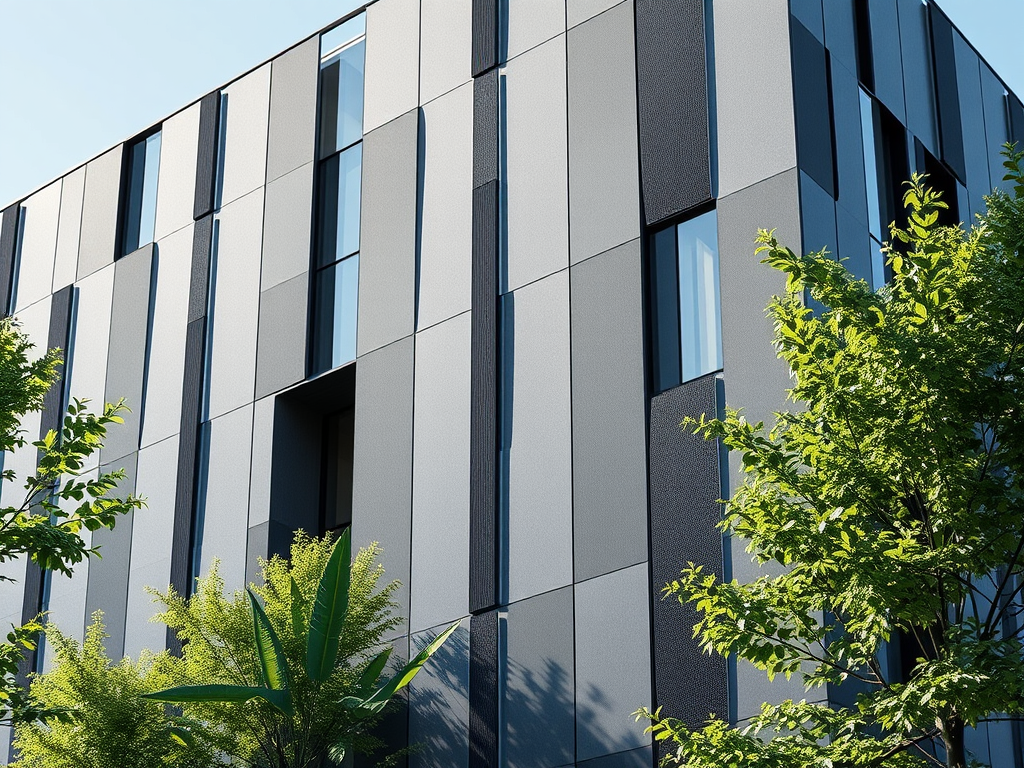
The Future of Building Façades: Hybrid Panels and Energy Integration

The evolution of hybrid panels and energy-injected cladding represents a pivotal shift in building design, enhancing energy efficiency and reducing carbon emissions. These multifunctional façades integrate energy generation and management within building envelopes, supporting sustainable architecture. Despite challenges like cost and complexity, their relevance grows in achieving decarbonization and occupant comfort.

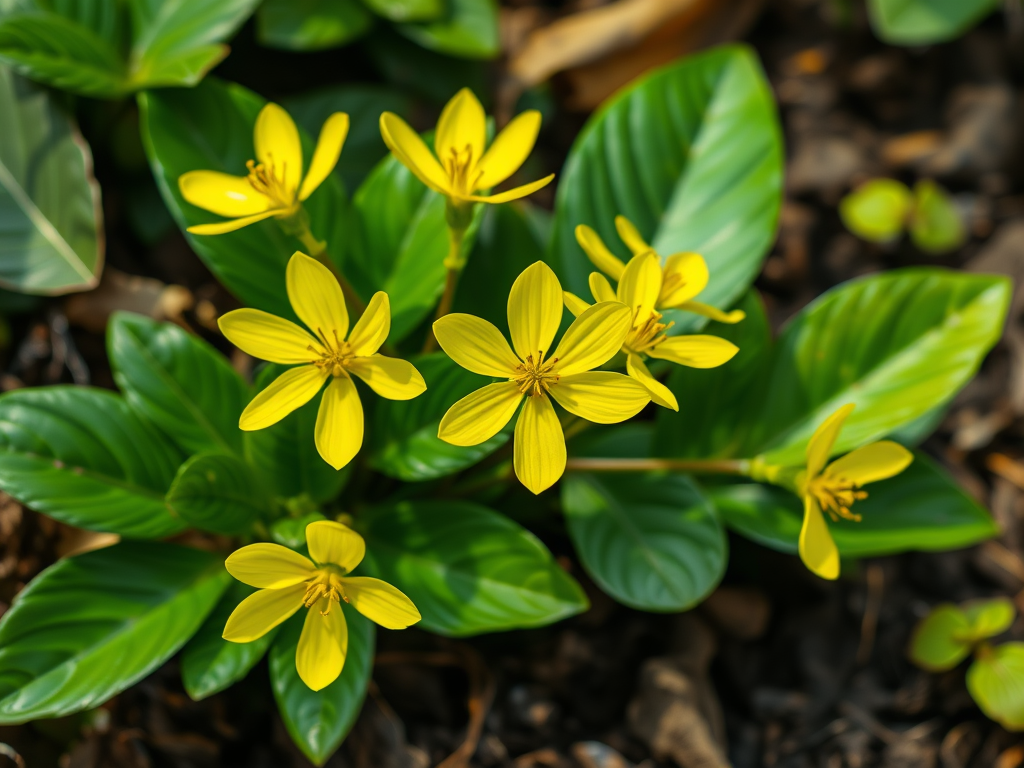
Exploring the Pharmacological Effects of Ficaria Verna

Introduction Lesser celandine (Ficaria verna Huds., syn. Ranunculus ficaria L.) is one of the first wildflowers to pierce the soil in early spring, carpeting European woodlands and stream banks with glossy yellow blossoms. Behind its cheerful appearance, there is a plant of considerable pharmacological interest. It has complex chemistry. Its reputation oscillates between being a […]

Lily of the Valley: A Medicinal and Toxic Botanical Wonder

Lily of the valley (Convallaria majalis) is a beautiful yet toxic perennial known for its fragrant white flowers. This article discusses its botany, pharmacological properties, medicinal uses, and significance in culture and horticulture. The plant’s toxicity requires careful handling, underscoring its dual nature as both a captivating and dangerous flora.

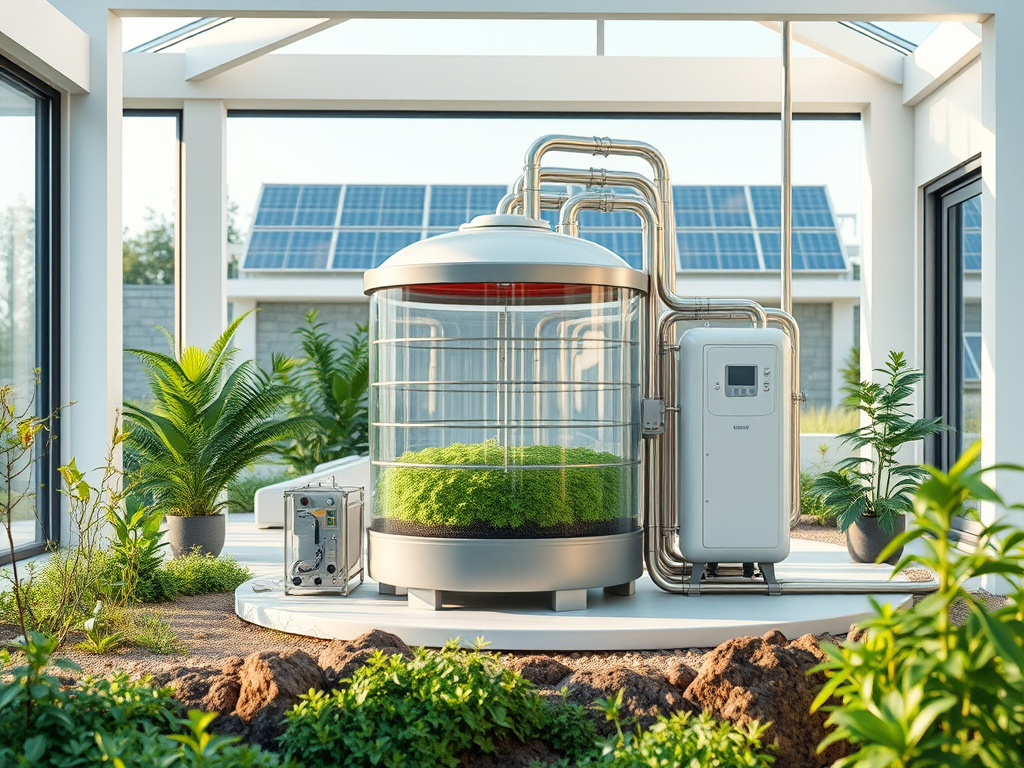
Bioreactors vs Geothermal: Competing Pathways to Sustainable Energy for Future Homes

The article discusses innovations for sustainable housing, focusing on bioreactor-based energy systems and geothermal heat exchange as complementary technologies. It examines their historical evolution, modern applications, and potential integration in smart homes. The future of sustainable architecture hinges on hybrid systems that leverage these methods for net-positive energy and ecological resilience.

Densified Wood and the New Material Civilization

Densified wood represents a transformative approach to sustainable materials, integrating molecular engineering, AI, and ecological design. It combines the renewability of forests with advanced technology to create a biodegradable, high-performance material stronger than metals. This innovative paradigm fosters collaboration between design and ecology, promising a future where materials enhance our relationship with nature.

Share with