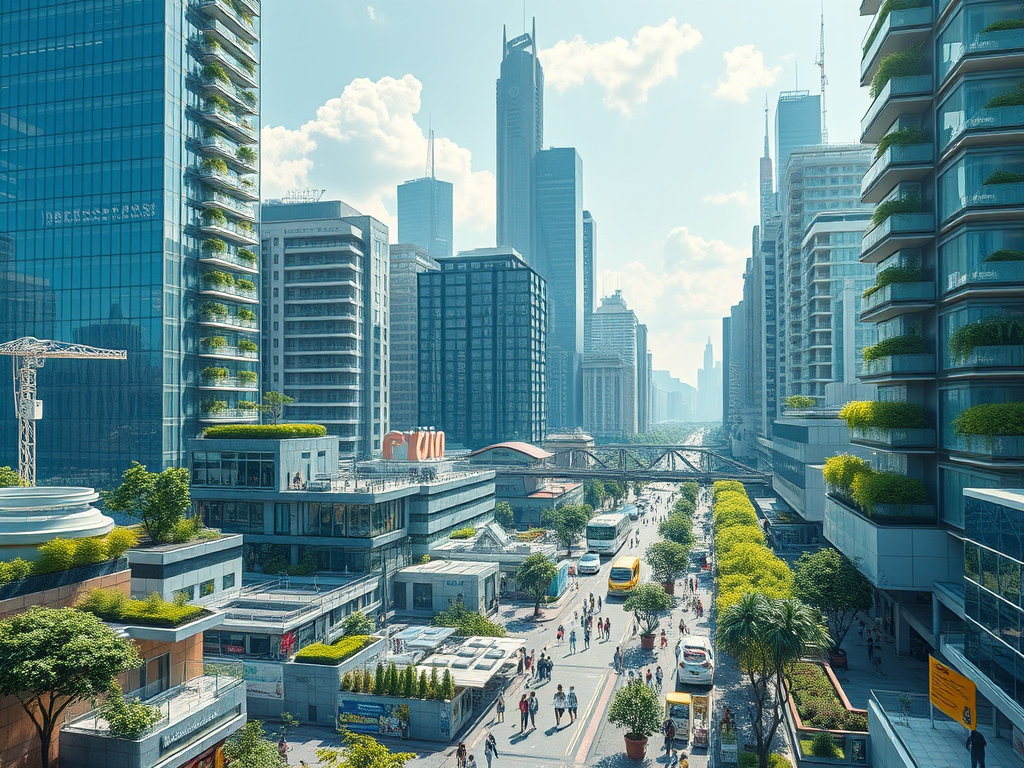
“Sustainable Construction Revolution: How Injection Technology Is Making Buildings Come Alive”
Discover how sustainable construction evolves with AI and biotech, creating living, adaptive, self-healing buildings.
Empowering our People

Discover how sustainable construction evolves with AI and biotech, creating living, adaptive, self-healing buildings.
As we approach 2026, humanity anticipates transformative advancements across various sectors, including AI, sustainable cities, quantum computing, and personalized healthcare. These innovations promise to enhance daily life, environmental sustainability, and global connectivity. However, they also raise critical ethical discussions about privacy, agency, and societal equity, urging a balanced future.
As we approach 2030, transformative forces such as technological advances, demographic changes, and sustainability efforts are reshaping society. This article outlines key trends, challenges, and innovations across various sectors, emphasizing the importance of adaptability and collective action to navigate the future’s complexities and ensure a positive impact on humanity and the environment.
Artificial Intelligence (AI) marks a significant technological evolution, reshaping economies and societies. It empowers diverse applications across healthcare, climate, and urban development while facing challenges like bias and privacy concerns. The journey ahead demands ethical governance, reskilling efforts, and collaborative approaches to ensure AI serves humanity positively and sustainably.
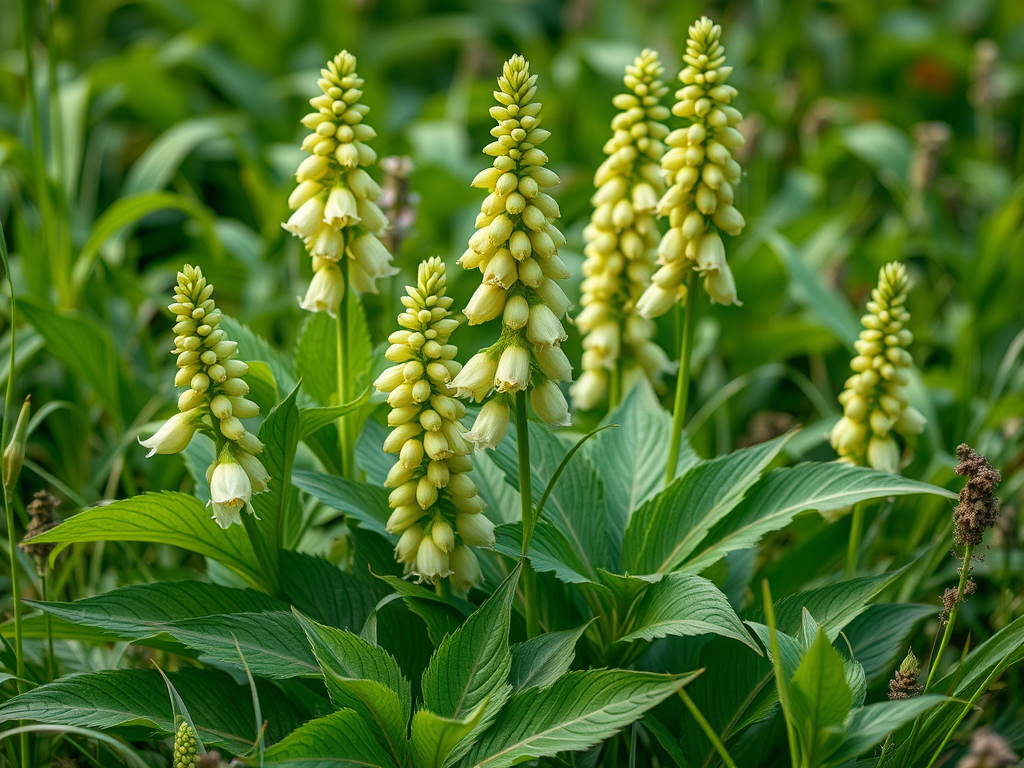
White Hellebore, or Veratrum album, is a paradoxical plant with medicinal benefits and lethal properties, rooted in European and Asian folklore. Historically utilized for healing and toxicological studies, it remains relevant in modern pharmacology and public health discussions. Ongoing research may reveal its future potential while emphasizing ecological conservation.
Daphne mezereum, or mezereon, is a toxic shrub native to Europe, North Africa, and Western Asia, admired for its pink flowers and harmful berries. Historically used in folk medicine, it poses serious health risks due to potent toxins. Caution is essential when handling this attractive, yet dangerous plant, known for its duality.
Uranium, a powerful element born from ancient stars, has a complex history intertwined with human progress and destruction. From its discovery in 1789 to its role in nuclear power today, uranium is crucial for clean energy but poses ethical and environmental challenges. Its geopolitical significance also highlights the need for responsible governance.
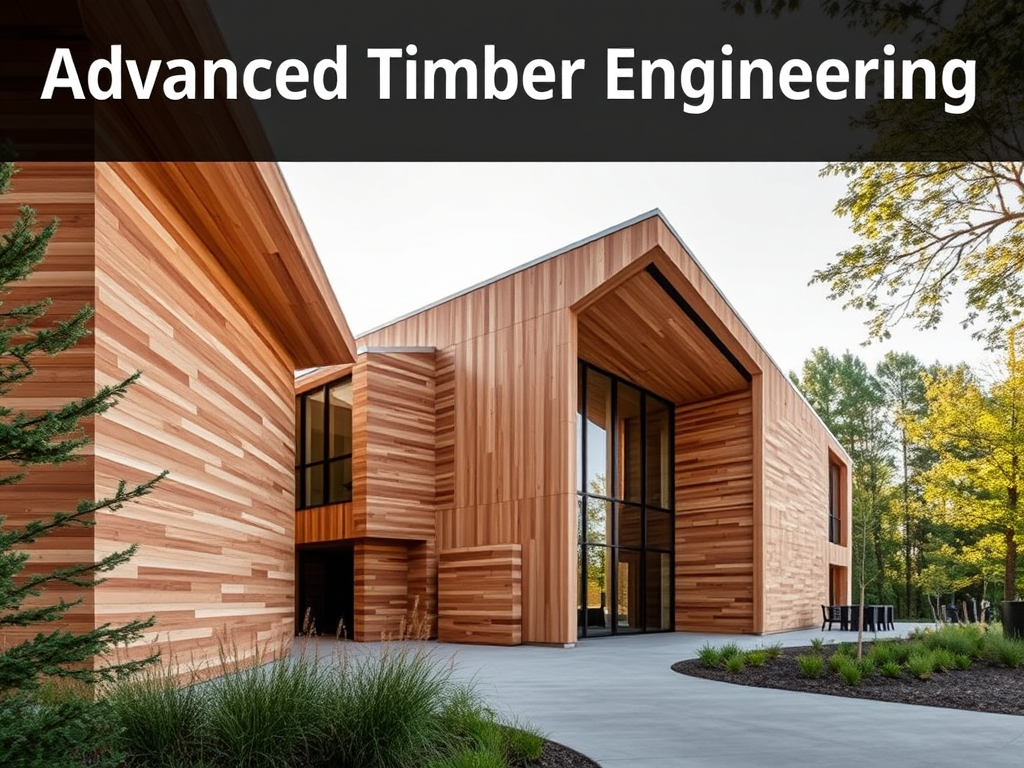
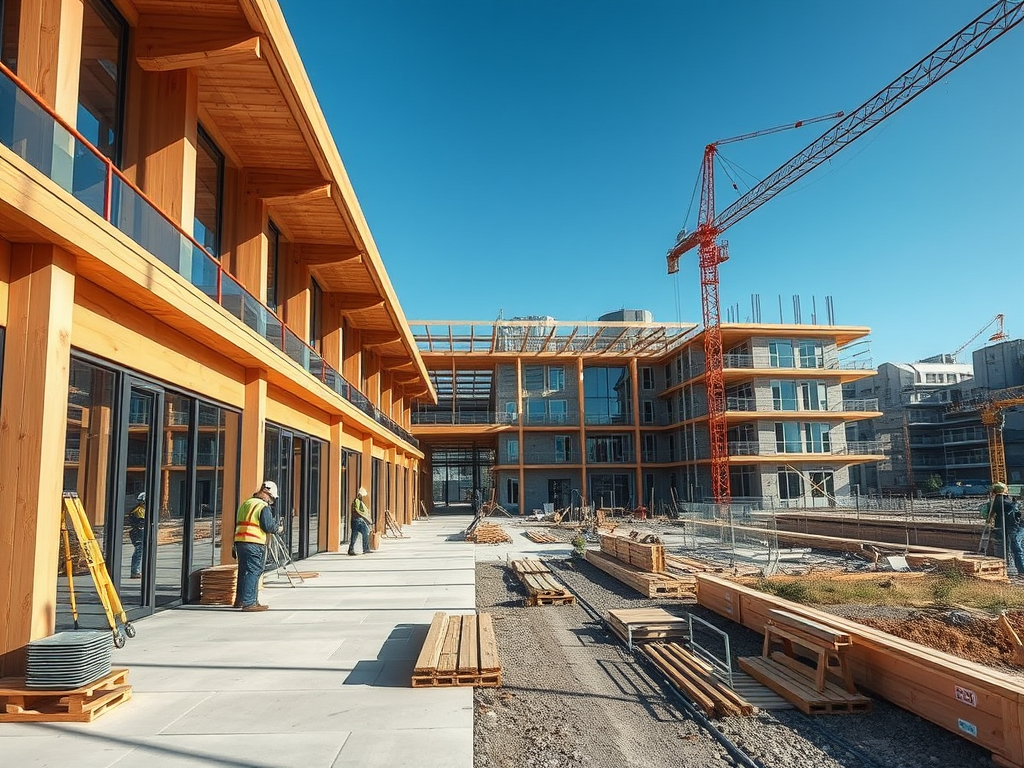
Advanced timber engineering, including CLT, LVL, and Dowel-Lam, redefines sustainable construction, merging traditional wood with modern technology. This article explores the history, applications, and future potential of these materials, emphasizing their strength, eco-friendliness, and role in creating resilient, innovative urban environments amidst growing environmental demands.
In 2025, climate change heightens the urgency for resilience planning in homes against extreme weather such as heatwaves, floods, and storms. This extensive analysis covers historical developments, current challenges, and future insights, emphasizing integrated strategies combining heat, flood, and storm defenses to protect communities globally while ensuring equity and sustainability.
In 2025, indoor air quality (IAQ) is crucial for health and productivity, with increased awareness following pandemics. This article explores IAQ’s history, technological advancements, and current challenges, emphasizing the need for effective sensors, ventilation, and humidity control. Integrated solutions can significantly enhance indoor environments, promoting health and sustainability.
This article explores the sustainable practices of Germany and Denmark, highlighting their historical evolution and current relevance. It emphasizes the need for bold policies and community engagement in achieving sustainability. As leaders in environmental innovation, both nations provide valuable lessons on adapting strategies globally, promoting a resilient and eco-conscious future.
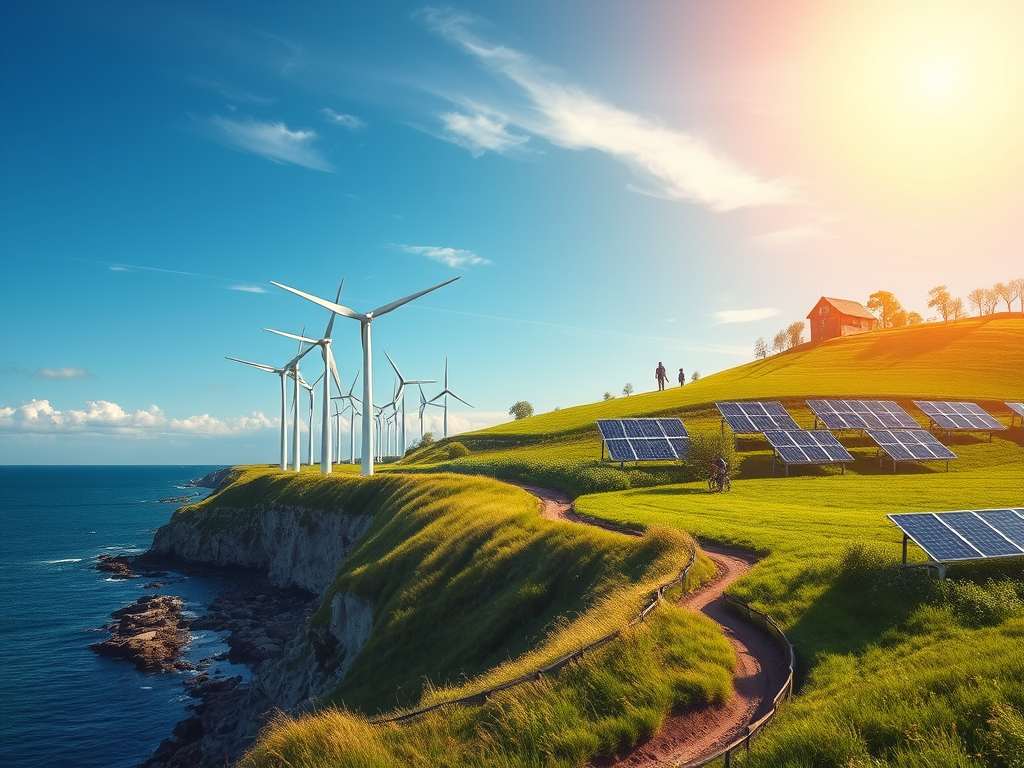
Community energy cooperatives offer innovative, inclusive solutions for energy generation and consumption. These citizen-led organizations enable local ownership and transition to renewables, addressing climate change and energy insecurity. This article explores their historical roots, current relevance, practical implementations, and potential future impacts in creating sustainable, democratic energy systems.
TEK17, Norway’s 2017 building regulations, prioritizes safety, accessibility, sustainability, and energy efficiency, aligning with EU standards. It promotes innovation through practical applications, including digital tools and AI integration. The framework facilitates compliance while encouraging creativity, serving as a vital component for constructing a sustainable future in Norway’s architecture.
The article emphasizes the importance of transitioning from mere consumers to active producers in the digital age, highlighting how AI serves as a powerful “supertool” that breaks down barriers to content creation. It discusses the benefits of agency, ownership, and economic opportunity while addressing potential challenges in this evolving landscape.
The article examines AI’s transformative potential and economic impact, highlighting the significant investments by tech giants. It questions whether AI will promote equality or exacerbate divisions. While some initiatives aim for public benefit, access and innovation remain largely restricted. The future may trend towards a balance between corporate control and open access, driven by public and governmental pressures.
The article discusses the critical issue of equity in the AI revolution, questioning whether tech giants will democratize AI benefits or hoard them. It explores the historical consolidation of tech power, current disparities in access, practical applications in sectors like healthcare and education, and future implications, emphasizing the need for shared technology to foster global progress and sustainability.
This guide on sustainable living emphasizes the urgent need to balance environmental, economic, and social factors. It traces sustainable living’s historical roots, current trends, and practical applications, highlighting the importance of individual actions, community engagement, and policy support. Embracing sustainability is essential for a resilient future while ensuring quality of life.
The article advocates for the importance of selecting sustainable materials tailored to specific locations, emphasizing their role in fostering environmental health and cultural preservation. It explores historical practices, current trends, and innovative technologies, while addressing challenges and practical applications. The goal is to inspire eco-conscious choices that align with local ecosystems and promote community resilience.
Building homes in mountain environments combines serenity with ecological challenges due to climate change and population pressures. Sustainable construction practices can significantly reduce impacts, utilizing innovative techniques and materials. By embracing historical wisdom and modern technologies, the goal is to create resilient homes that honor nature and safeguard fragile ecosystems for future generations.
As the global population approaches 9.7 billion by 2050, urban housing demands escalate, necessitating urgent sustainable solutions. The construction sector, responsible for significant emissions, can potentially reduce them by over 50% through innovative materials, traditional practices, and behavioral shifts. Future technologies like AI promise to transform housing design, fostering collaboration for greener living environments.
Antimicrobial resistance (AMR) threatens modern medicine, causing millions of deaths and massive economic burdens. Drivers include overuse of antibiotics and stalled innovation. Regional disparities exist, particularly in low-resource settings. Urgent actions are needed from governments, the pharmaceutical industry, and healthcare providers to preserve antibiotic efficacy and safeguard medical progress.
In summer 2024, Svalbard lost over 60 billion tonnes of glacial ice within six weeks, revealing rapid climate change impacts. This event, spurred by abnormal warmth, challenges assumptions about Arctic stability and highlights the urgent need for equitable mitigation strategies. Climate adaptation must combine technology, traditional wisdom, and global cooperation.
A Journey Through Time, Ecology, and Nature’s Resilience Executive Summary The seemingly simple question—how long does it take for a rock to become covered in moss?—opens a window into one of nature’s most elegant processes: ecological succession. The transformation of bare rock into moss-laden habitat is not merely about biology but about time, climate, resilience, […]
This document outlines a scenario analysis on AI’s impact on climate adaptation from 2025 to 2040, addressing sectors like water, food, and health. It identifies critical uncertainties, presents four core scenarios plus a wild card, and highlights the urgent need for ethical governance and investment in sustainable data and financing solutions for effective adaptation strategies.