
Support


The Support category
is an essential part of our commitment to providing the best possible service to our customers.
Whether you are experiencing technical difficulties,
have questions about our product or service,
or need assistance with a particular issue,
our dedicated team of experts is available to provide the help you need.
 
At our company,
we understand that our success is directly tied to the satisfaction of our customers.
That’s why we take great care to ensure that our Support team is well-trained,
knowledgeable,
and equipped to handle any situation that may arise.
We are committed to providing prompt and effective assistance to all of our customers,
no matter how big or small the issue may be.
 
When you reach out to our Support team,
you can expect to receive personalized attention and a quick response.
We understand that time is of the essence when it comes to resolving issues,
and we do everything in our power to provide a timely resolution.
Our team is available via phone, email, and chat, so you can choose the method that works best for you.
 
In addition to providing technical support,
our Support team is also dedicated to helping customers get the most out of our product or service.
We offer training and resources to help users learn how to use our product effectively and efficiently.
We also welcome feedback from our customers and use it to continually improve our product and service offerings.
 
Overall,
the Support category is an essential part of our commitment to providing the best possible experience for our customers.
We take great pride in the quality of our support services and are always looking for ways to improve.
If you ever need assistance or have any questions,
don’t hesitate to reach out to us – we’re here to help!

The Power of Impact Investing 3.0: How Community-Led Innovation Is Shaping Scandinavia

Impact Investing 3.0 represents a transformative shift in how investments are made, prioritizing community-led initiatives in Scandinavia. This model emphasizes collaboration, sustainability, and systemic change, empowering local communities to design solutions. Non-profits like Jarlhalla Group play vital roles in bridging investors with grassroots efforts, fostering enduring impacts across various sectors.
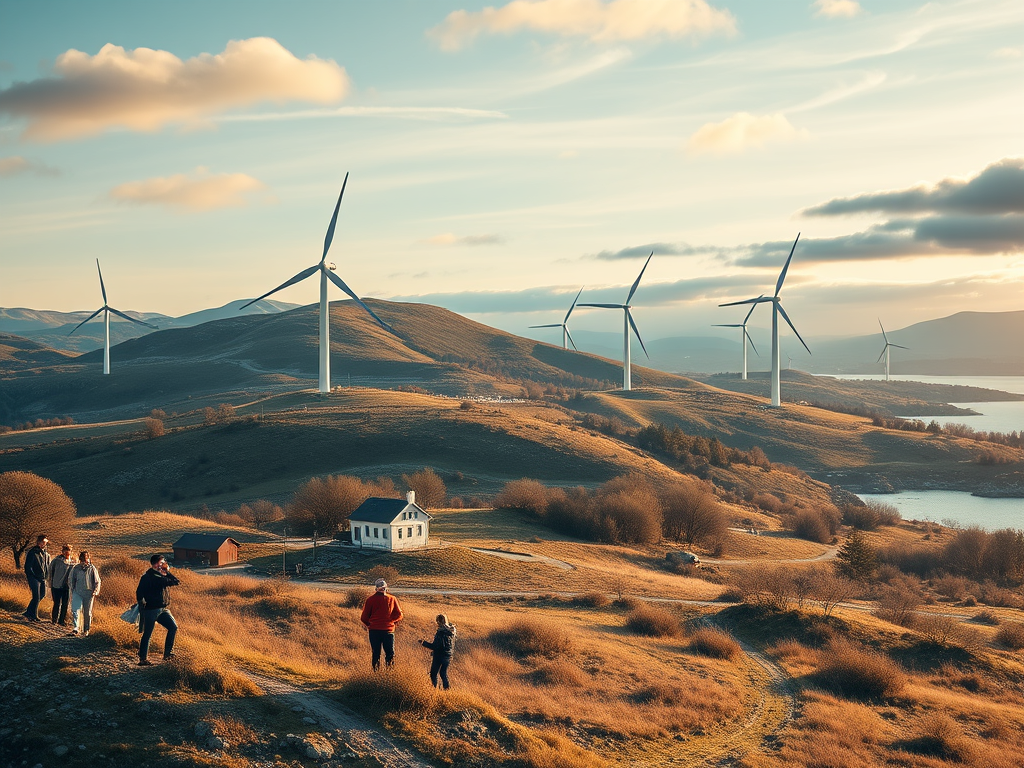

Impact Investing 3.0: Scandinavia’s Secret to Thriving Communities and Global Influence

How Jarlhalla Group is Pioneering a New Model of Multipurpose Impact Investing Introduction: A New Era for Impact Investing Impact investing is no longer a niche or experimental venture. It’s a global phenomenon reshaping how capital is deployed to achieve positive environmental, social, and financial returns. Yet, even as the concept gains momentum globally, the […]

Digital Vikings: How Scandinavian Heritage Drives Global Tech Innovation

The Jarlhalla Group is redefining innovation by integrating ancient Nordic wisdom into modern technology. Emphasizing adaptability, resilience, and cultural storytelling, Jarlhalla’s digital solutions, such as immersive VR experiences and AI leadership platforms, foster global engagement and sustainability. This blend positions Scandinavia as a leader in culturally-driven technological advancement.

Nordic Eco-Innovation: The Rise of Personalized Sustainability Solutions

Scandinavian companies, particularly Jarlhalla Solutions, are transforming global sustainability through personalized eco-innovation. By tailoring sustainable practices to specific needs and cultural contexts, Jarlhalla combines technology with local insights. Their approach enhances engagement, drives effective implementation, and sets a model for worldwide adaptation, showcasing the potential of personalized sustainability.

How to Start Building an App Today: Steps and Best Practices

This article outlines the journey of transforming an app idea into a market-ready application, emphasizing creativity, market research, prototyping, and iterative development. It covers defining user personas, choosing development paths, building MVPs, and launching effectively. The piece addresses future trends, including AI integration and no-code tools, offering a comprehensive roadmap for aspiring app creators.

Building Apps: A Comprehensive Guide to Revolutionizing the Digital Era

App development is integral to today’s digital landscape, transforming daily interactions and businesses. This guide outlines the evolution of applications from the 1970s to now, highlighting their diverse types, tools, monetization strategies, and industry impacts. It emphasizes emerging technologies and trends shaping app development’s future while inspiring aspiring developers to create impactful solutions.

Rewilding Architecture: How Buildings Are Bringing Nature Back to Urban Deserts

The article discusses rewilding architecture, highlighting its role in reviving urban environments by integrating native ecosystems into city designs. As cities face climate challenges and biodiversity loss, innovative green structures like green roofs and living walls offer environmental benefits. Successful projects demonstrate the potential for widespread adoption, fostering a greener future.

Smart Green Homes: How AI Is Designing the Most Energy-Efficient Houses of Tomorrow

The article discusses the transformative potential of AI in creating smart green homes by 2025. These homes significantly reduce energy consumption, integrating sustainable designs with advanced technology. Historical context illustrates the evolution from ancient practices to modern innovations. Despite challenges like cost and privacy, future advancements could lead to widespread adoption of AI-driven residential designs for sustainability.

The Bamboo Breakthrough: Why This Ancient Material Is the Future of Green Building

Bamboo, an ancient building material, is experiencing a resurgence in 2025 due to its sustainability, rapid growth, and minimal carbon footprint. With a history spanning thousands of years, it offers a low-impact alternative to traditional materials. Key projects demonstrate its potential, aiming for mainstream adoption and significant CO2 reduction by 2030.

Eco-Luxury: Inside the World’s Most Sustainable Mansions for the Ultra-Rich

Xanadu 2.0, Bill Gates’ eco-conscious mansion, exemplifies modern eco-luxury, showcasing sustainability through innovative technology. It raises questions about the balance between opulence and genuine ecological responsibility. As climate concerns grow, the elite’s commitment to green living faces scrutiny over equity and authenticity, challenging the true impact of luxurious, expansive builds.

The Solar Roof Boom: Why Every Home in Scandinavia Could Be a Power Plant by 2030

Anna Eriksson’s solar-powered home in Uppsala epitomizes Scandinavia’s shift towards renewable energy. Her energy-efficient roof tiles generate surplus power, drastically reducing bills. With rising climate urgency, technological advancements, and government incentives, solar roofs are gaining momentum. Experts predict widespread adoption by 2030, driving economic savings and emissions reductions across the region.

Climate-Proof Cities: How Floating Architecture Is Saving Coastal Communities

In 2025, floating architecture emerges as a vital solution to climate change threats, particularly rising sea levels affecting coastal cities. This innovative housing concept, with historical roots, fosters resilience against flooding while addressing urban overcrowding. Projects like IJburg and Makoko showcase its potential, though challenges in stability and accessibility remain.

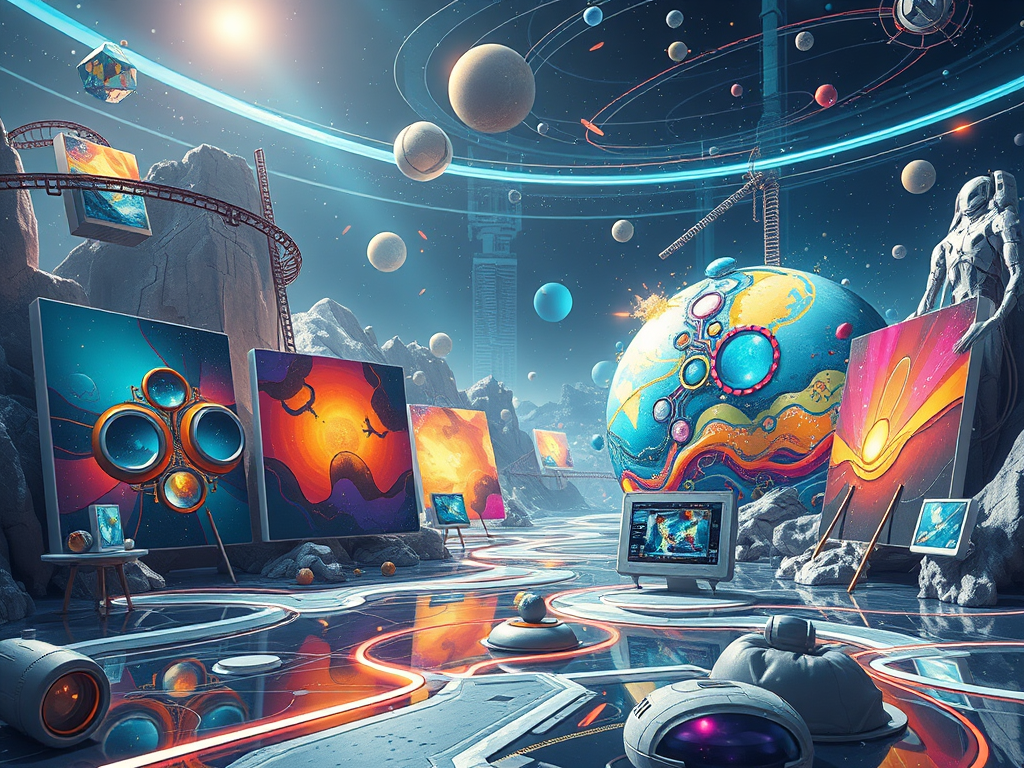
Ethics and Ownership in AI-Generated Art: Navigating Copyright, Originality, and Fair Use

Artificial intelligence has transformed creative production, raising complex ethical and legal questions about ownership and copyright. While AI-generated art raises innovative possibilities, it also poses risks of exploitation and devaluation of human artists. A balanced, transparent approach is crucial as society navigates the evolving landscape of creativity and intellectual property.

The Digital Canvas and the Collective Mind: How AI Art Platforms are Forging a New Era of Collaborative Creativity

The article discusses the evolution of the artist’s role from a solitary genius to a participant in collaborative AI-driven creative communities. Platforms like Midjourney, Artbreeder, and NightCafe foster collective innovation and redefine authorship amidst challenges of content moderation and ethical dilemmas. It emphasizes the importance of participation in shaping future art.

The Evolution of AI in Video Generation

The article explores the evolution and impact of AI-driven video generation tools over the past decade, focusing on platforms like RunwayML, Pika Labs, and Synthesia. It highlights the transition from GANs to diffusion-based models, democratizing video production while raising ethical concerns about deepfakes and copyright. It emphasizes the importance of responsible innovation.

AI in Music: Transforming Creativity with Generative Tools

The evolution of artificial intelligence in music creation has enabled tools such as Suno AI, AIVA, and MuseNet to generate compositions autonomously, transforming artistic workflows. These platforms democratize music production, enhance creative collaboration, and raise complex copyright issues, highlighting the need for transparent licensing and ethical frameworks as AI continues to reshape the industry.

Unveiling the Future of Art: A Deep Dive into Merlin AI Bonkers, Leonardo AI Flux Kontext, and Nightcafé Studios Flux 1.1 Pro

The content discusses the emergence and evolution of AI-driven art creation tools like Merlin AI Bonkers, Leonardo AI Flux Kontext, and Nightcafé Studios Flux 1.1 Pro. It highlights their significance in democratizing creativity, practical applications across industries, future advancements, and the ethical considerations associated with their widespread use.

BERT Models: Revolutionizing Natural Language Processing

BERT, developed by Google in 2018, revolutionized Natural Language Processing (NLP) through its bidirectional context understanding, enhancing models’ ability to interpret language. This article discusses BERT’s architecture, applications, and variants, while highlighting its impact on search engines, question answering, and text classification, alongside addressing challenges like bias and interpretability.

Nanomaterials for Sustainable Applications: Engineering the Future of Green Innovation

Nanomaterials, ranging from graphene to metal nanoparticles, play a pivotal role in sustainable innovations. Their unique properties enhance efficiency, reduce resource use, and enable circular economies. Applications span energy, healthcare, and packaging. As global markets grow, addressing safety, regulatory challenges, and equitable access remains essential to maximize their societal benefits.

Low-Carbon Concrete and Green Cement: Building the Foundations for Climate-Resilient Infrastructure

This article examines the crucial role of concrete and cement in modern society, highlighting their environmental impact, particularly CO₂ emissions. It explores pathways to low-carbon alternatives, including supplementary materials, innovative binders, and carbon capture technologies. It emphasizes the need for sustainable practices, policy reforms, and equitable transitions to achieve climate goals.

Mycelium-Based Materials: The Fungal Frontier of Sustainable Design

Mycelium, the root network of fungi, is gaining prominence as a sustainable material for diverse applications, including packaging, construction, and fashion. By transforming agricultural waste into reliable, biodegradable products, mycelium offers eco-friendly alternatives that address urgent environmental issues, paving the way for a circular economy and innovative design solutions.

Circular Economy Materials and Upcycling: Transforming Waste Into Value

The text explores the shift from a linear to a circular economy, emphasizing upcycling as a key practice. It discusses the principles of circular economy materials, various types of upcycled resources, enabling technologies, and applications across industries. The article highlights the need for collaboration, innovative policies, and a mindset shift toward sustainability.

Biodegradable and Bio-based Plastics: The Future of Sustainable Materials

This article explores biodegradable and bio-based plastics, known as bioplastics, as sustainable alternatives to conventional plastics. It examines their definitions, types, production methods, applications, and limitations, emphasizing the importance of understanding environmental impacts, end-of-life processes, and policy frameworks to support effective adoption and mitigate plastic pollution.

Sustainable Construction Material Trends: A 2025 Review

Sustainable building materials are essential in combating climate change, accounting for 8% of global CO₂ emissions. Innovations include bio-based composites, recycled materials, and self-healing technologies, which improve performance while reducing environmental impacts. Collaborative research aims for mainstream adoption of these materials, addressing standardization, cost, and long-term viability challenges in construction.

Share with