
Overview

AI in Music: Transforming Creativity with Generative Tools

The evolution of artificial intelligence in music creation has enabled tools such as Suno AI, AIVA, and MuseNet to generate compositions autonomously, transforming artistic workflows. These platforms democratize music production, enhance creative collaboration, and raise complex copyright issues, highlighting the need for transparent licensing and ethical frameworks as AI continues to reshape the industry.

Unveiling the Future of Art: A Deep Dive into Merlin AI Bonkers, Leonardo AI Flux Kontext, and Nightcafé Studios Flux 1.1 Pro

The content discusses the emergence and evolution of AI-driven art creation tools like Merlin AI Bonkers, Leonardo AI Flux Kontext, and Nightcafé Studios Flux 1.1 Pro. It highlights their significance in democratizing creativity, practical applications across industries, future advancements, and the ethical considerations associated with their widespread use.

Nanomaterials for Sustainable Applications: Engineering the Future of Green Innovation

Nanomaterials, ranging from graphene to metal nanoparticles, play a pivotal role in sustainable innovations. Their unique properties enhance efficiency, reduce resource use, and enable circular economies. Applications span energy, healthcare, and packaging. As global markets grow, addressing safety, regulatory challenges, and equitable access remains essential to maximize their societal benefits.

Circular Economy Materials and Upcycling: Transforming Waste Into Value

The text explores the shift from a linear to a circular economy, emphasizing upcycling as a key practice. It discusses the principles of circular economy materials, various types of upcycled resources, enabling technologies, and applications across industries. The article highlights the need for collaboration, innovative policies, and a mindset shift toward sustainability.

Biodegradable and Bio-based Plastics: The Future of Sustainable Materials

This article explores biodegradable and bio-based plastics, known as bioplastics, as sustainable alternatives to conventional plastics. It examines their definitions, types, production methods, applications, and limitations, emphasizing the importance of understanding environmental impacts, end-of-life processes, and policy frameworks to support effective adoption and mitigate plastic pollution.

Sustainable Construction Material Trends: A 2025 Review

Sustainable building materials are essential in combating climate change, accounting for 8% of global COâ‚‚ emissions. Innovations include bio-based composites, recycled materials, and self-healing technologies, which improve performance while reducing environmental impacts. Collaborative research aims for mainstream adoption of these materials, addressing standardization, cost, and long-term viability challenges in construction.

The New Construction Tech

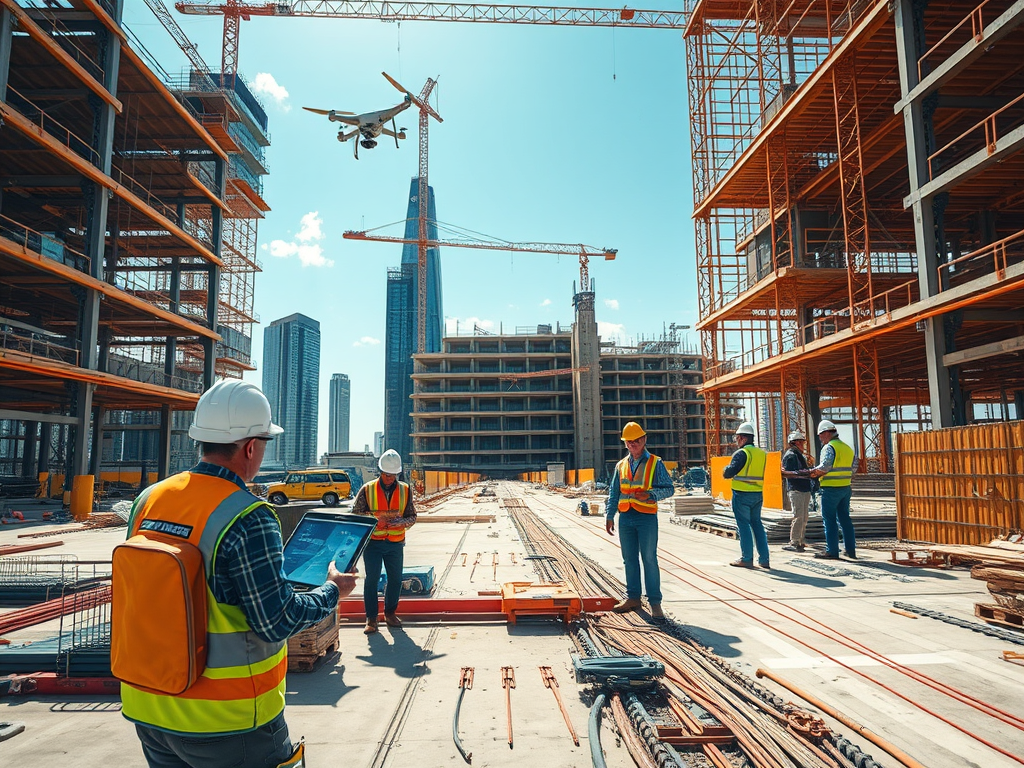
The construction industry is evolving through technological advancements, focusing on digital integration, AI, robotics, and sustainable materials to enhance efficiency and safety. Key innovations like BIM, digital twins, autonomous equipment, and eco-friendly materials are transforming processes, addressing labor shortages, cost overruns, and environmental concerns to create resilient, high-quality buildings.

Design Tools and Communities: A Comprehensive Guide to 3D Shading and Creative Platforms

This comprehensive guide highlights essential 3D design tools and communities, covering advanced software for shading, modeling, and rendering. It features notable platforms like 3Delight, 3ds Max, and Substance Designer, while also showcasing vibrant communities such as CGSociety and ArtStation, providing valuable resources for all skill levels in digital art and design.

Unlocking the Secrets of Lonicera caprifolium: Benefits, Uses, and Precautions of Italian Honeysuckle

Lonicera caprifolium, or honeysuckle, is an aromatic climbing plant valued for its fragrance and medicinal properties. This overview highlights its botanical features, chemical compounds, and therapeutic uses, including respiratory benefits and skin applications. However, caution is necessary due to its toxic berries, emphasizing the importance of safe usage guidelines.

Meadowsweet (Filipendula ulmaria L. Maxim.)

Meadowsweet (Filipendula ulmaria) is a perennial herb valued for its historical and medicinal significance. Its phytochemicals, particularly salicylates and flavonoids, provide anti-inflammatory, gastroprotective, and antimicrobial effects. Historically used in folk medicine, it offers therapeutic applications for digestive, musculoskeletal, and dermatological issues, gaining recognition in modern phytotherapy.

Colorado River Toad

The Colorado River Toad, known for its powerful toxins and unique biology, faces threats like habitat loss and overcollection. Its secretions contain 5-MeO-DMT, a psychedelic compound with potential therapeutic benefits for conditions such as PTSD and depression. Conservation efforts and synthetic production aim to reduce ecological impacts while exploring its medical applications.

Florence Nightingale: Pioneer of Modern Nursing and Healthcare Reformer

Florence Nightingale, founder of modern nursing, profoundly impacted healthcare through compassionate care and data-driven reforms. She improved sanitary conditions during the Crimean War, created pioneering statistical graphics, and established the first nursing school. Her legacy continues in infection prevention, nursing leadership, and gender equity within the healthcare profession.

Unleashing Creativity: How NightCafe and AI Art are Transforming the Art World

Art is evolving through AI-generated creations, primarily facilitated by NightCafe Studio, a platform enabling artists to explore their imagination. This blog series highlights the significance of AI art, showcasing artists like Knoksen, who illustrate the synergy between technology and human creativity, expanding artistic expression in the modern age.

Unlocking Digital Creativity: The AI Art Revolution of Knoksen on NightCafe Studio

In the realm of AI art, NightCafe Studio empowers creators like Knoksen, who blends technical skill and artistic insight. This article analyzes AI art’s dynamics, focusing on design tools, community engagement, and Knoksen’s unique blend of engineering and narrative. It highlights the importance of authenticity amidst the flood of AI-generated content.

Revolutionizing Space: The Future of On-Orbit Servicing, Assembly, and Debris Management

On-orbit servicing, assembly, manufacturing, and debris mitigation (OSAM+DM) aim to revolutionize space infrastructure by extending satellite lifetimes and enabling complex constructions. With rising debris threats, OSAM+DM enhances sustainability and safety in space. Significant investments forecast the market to grow to USD 11.56 billion by 2034, promoting new technologies and regulatory frameworks.

Smallsats, Mega-Constellations, and the Satellite Connectivity Revolution

The rise of small satellites and mega-constellations is revolutionizing global connectivity, providing high-bandwidth, low-latency access that bridges digital divides. The sector is projected to grow significantly, with innovations in technology enhancing operational efficiency. By 2030, satellite connectivity is expected to exceed USD 100 billion, transforming industries and enabling diverse applications.

Space Tourism and Private Astronaut Missions

Space tourism has evolved from exclusive astronaut missions to an emerging industry for civilians, researchers, and artists. This article explores its history, current developments, flight experiences, pricing, training, regulations, and ethical considerations. As commercialization expands, challenges around cost, safety, and sustainability must be addressed to democratize access to space.

Unleashing Lunar Potential: How In-Situ Resource Utilization (ISRU) is Revolutionizing Moon Exploration and the Space Economy

Lunar exploration is experiencing a resurgence, primarily through In-Situ Resource Utilization (ISRU), aimed at using lunar resources for sustainable operations. NASA’s Artemis program, alongside commercial initiatives, seeks to establish a long-term presence on the Moon by leveraging water ice, oxygen, and regolith for life support, construction, and fuel, ultimately fostering a thriving lunar economy.

Reusable Launch Vehicles and the Rise of the Commercial Space Economy

Reusable launch vehicles (RLVs) revolutionize space access by decreasing costs and boosting launch frequency, empowering commercial and governmental sectors. Innovations, particularly by SpaceX and Blue Origin, enhance the reusability of rocket stages. This shift is projected to foster substantial market growth, reduce launch costs, and spawn new industries within the space economy.

The latest trends in post-modern architecture

Neo-Eclecticism 2.0 revives 1980s postmodernism with digital tools, blending styles and playful ornamentation. Trends include narrative architecture, hyper-saturated colors, fragmentation, and mixed-reality integration. Sustainability features irony in design, while AI-driven methodologies enhance generative forms, echoing past aesthetics with precision. Architects like SO – IL and FALA Atelier lead these innovations.

The Next Decade of Innovation: 10 Transformative Technologies Set to Reshape Our World by 2035

The article outlines ten transformative technologies anticipated to reshape society by 2035, including Artificial General Intelligence, Quantum Computing, 6G communication, and Climate Tech. It emphasizes the potential benefits of these innovations alongside the ethical and governance challenges they present, advocating for responsible deployment and interdisciplinary collaboration for a sustainable future.

Unraveling the Chinese Room Paradox: AI, Cognition, and Consciousness

The Chinese Room thought experiment by John Searle challenges the notion that syntactic symbol manipulation equates to genuine understanding. It illustrates that while machines can simulate conversational fluency, they lack real comprehension. The article explores historical context, objections, and implications for AI, emphasizing the distinction between syntax and semantics and stressing the importance of human cognitive processes in meaningful interaction.

Circular Economy Unveiled: Transforming Sustainability with Innovation and Harmony

The circular economy challenges the traditional linear growth model, promoting sustainability through recycling, regeneration, and resource efficiency. It offers innovative solutions across sectors, including urban infrastructure, agriculture, and product services. Emphasizing community empowerment, circularity fosters resilience, belonging, and a harmonious balance between economic growth and ecological wellbeing, transcending mere compliance to become a cultural imperative.

Top 5 AI Gadgets of 2025: Transforming Everyday Life with Cutting-Edge Innovation

The article discusses the evolution of Artificial Intelligence (AI) into physical gadgets by 2025, highlighting five innovative devices: Rabbit R1, Samsung Ballie, Meta Ray-Ban Smart Glasses, Timekettle W4 Pro, and AIris. Each gadget enhances daily life through improved efficiency, interaction, and accessibility, showcasing technology’s transformative potential across various sectors.

Share with