
Management

How to Start Building an App Today: Steps and Best Practices

This article outlines the journey of transforming an app idea into a market-ready application, emphasizing creativity, market research, prototyping, and iterative development. It covers defining user personas, choosing development paths, building MVPs, and launching effectively. The piece addresses future trends, including AI integration and no-code tools, offering a comprehensive roadmap for aspiring app creators.

Building Apps: A Comprehensive Guide to Revolutionizing the Digital Era

App development is integral to today’s digital landscape, transforming daily interactions and businesses. This guide outlines the evolution of applications from the 1970s to now, highlighting their diverse types, tools, monetization strategies, and industry impacts. It emphasizes emerging technologies and trends shaping app development’s future while inspiring aspiring developers to create impactful solutions.

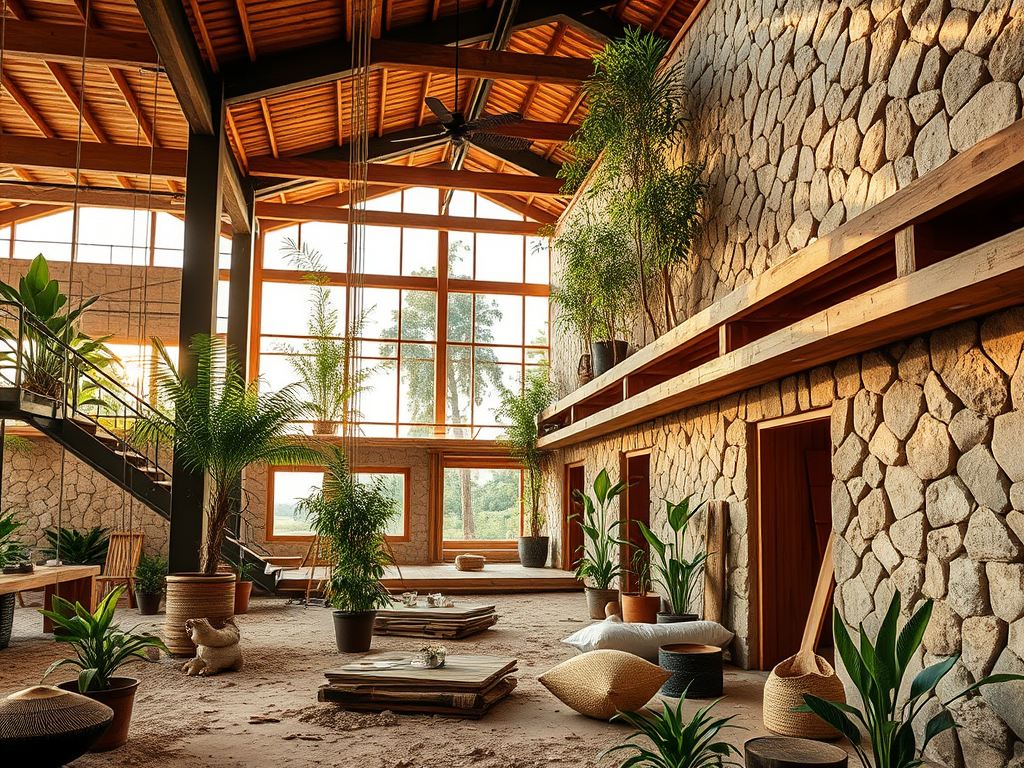
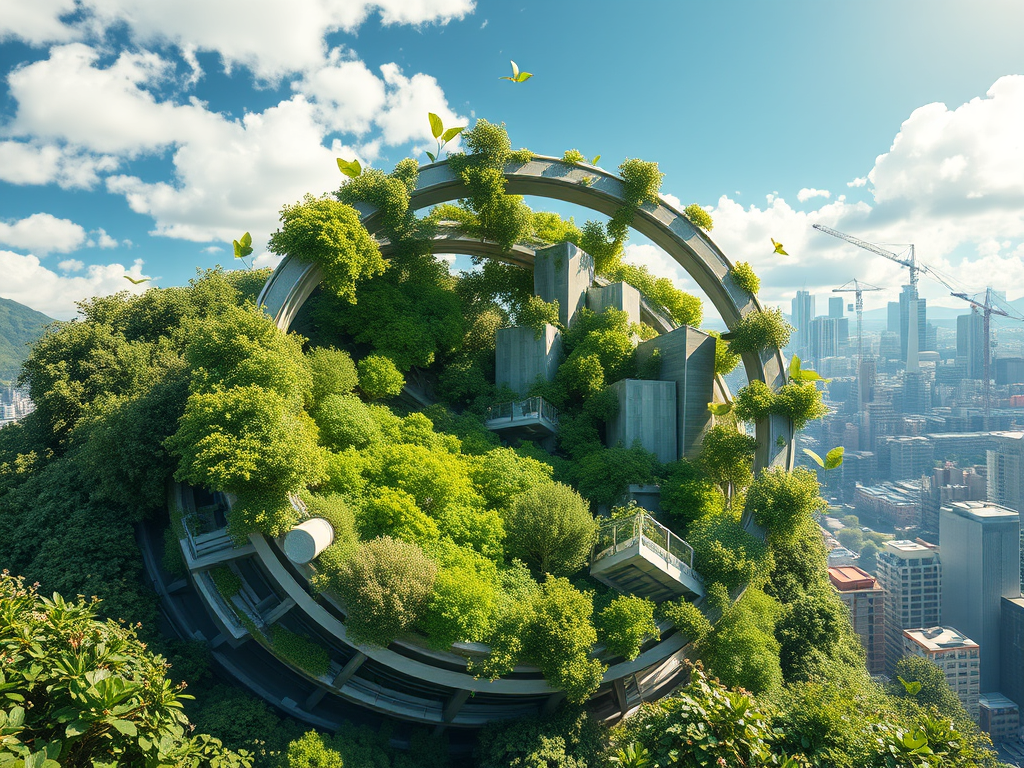
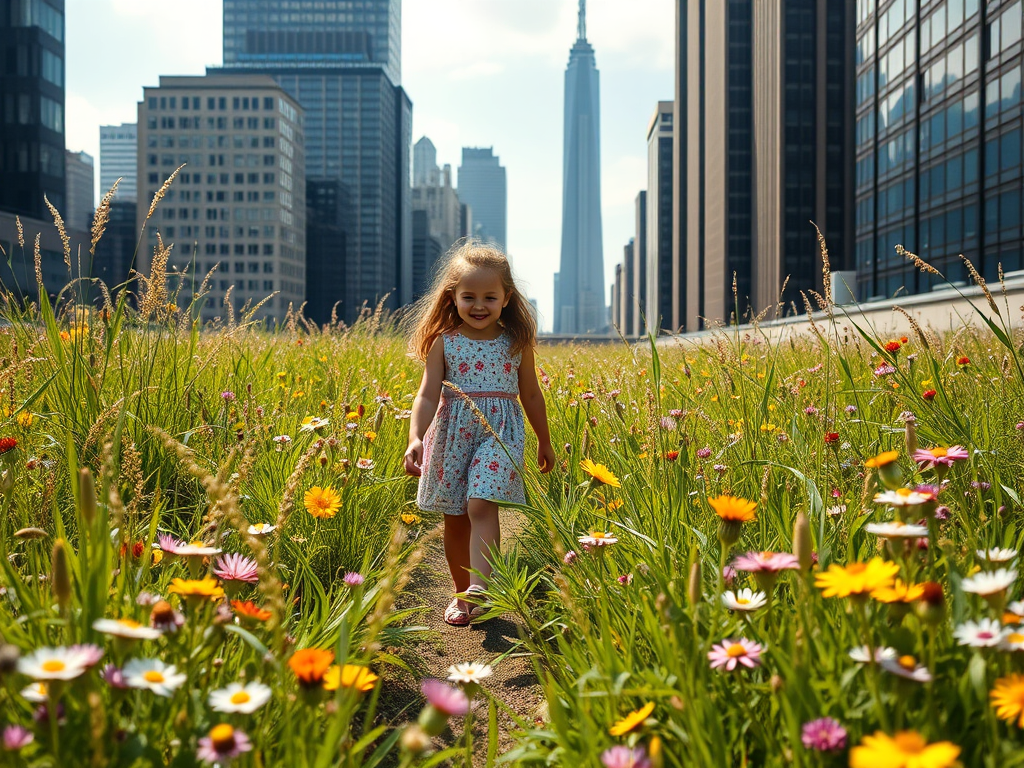
Rewilding Architecture: How Buildings Are Bringing Nature Back to Urban Deserts

The article discusses rewilding architecture, highlighting its role in reviving urban environments by integrating native ecosystems into city designs. As cities face climate challenges and biodiversity loss, innovative green structures like green roofs and living walls offer environmental benefits. Successful projects demonstrate the potential for widespread adoption, fostering a greener future.

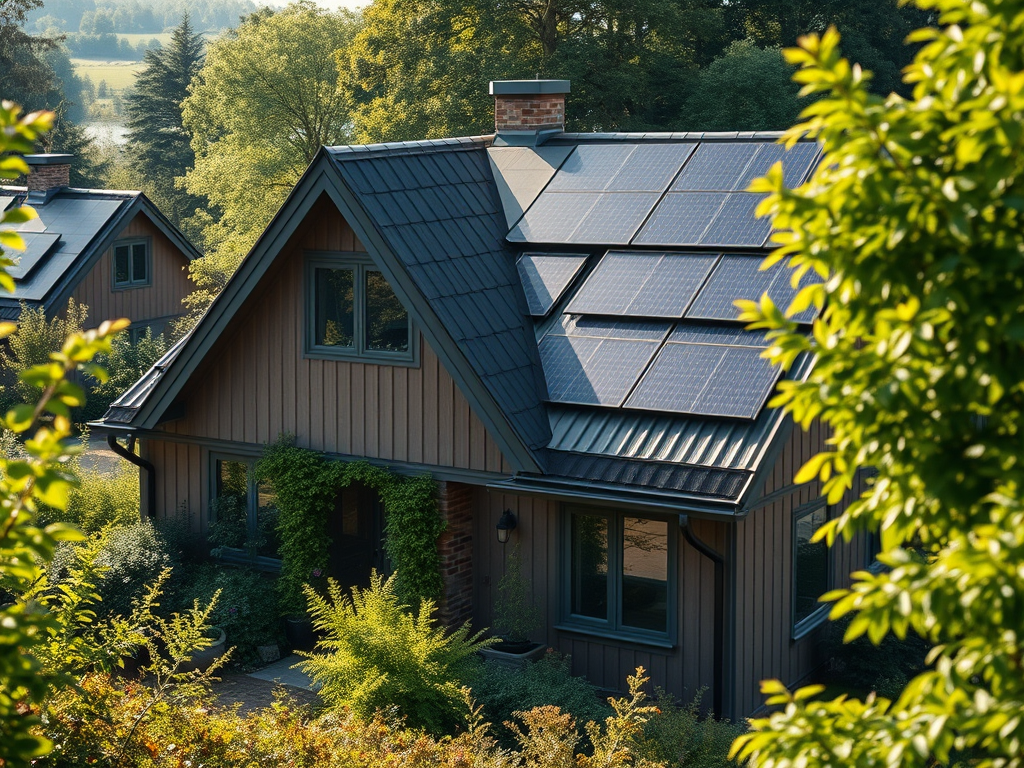
The Solar Roof Boom: Why Every Home in Scandinavia Could Be a Power Plant by 2030

Anna Eriksson’s solar-powered home in Uppsala epitomizes Scandinavia’s shift towards renewable energy. Her energy-efficient roof tiles generate surplus power, drastically reducing bills. With rising climate urgency, technological advancements, and government incentives, solar roofs are gaining momentum. Experts predict widespread adoption by 2030, driving economic savings and emissions reductions across the region.

Climate-Proof Cities: How Floating Architecture Is Saving Coastal Communities

In 2025, floating architecture emerges as a vital solution to climate change threats, particularly rising sea levels affecting coastal cities. This innovative housing concept, with historical roots, fosters resilience against flooding while addressing urban overcrowding. Projects like IJburg and Makoko showcase its potential, though challenges in stability and accessibility remain.

Ethics and Ownership in AI-Generated Art: Navigating Copyright, Originality, and Fair Use

Artificial intelligence has transformed creative production, raising complex ethical and legal questions about ownership and copyright. While AI-generated art raises innovative possibilities, it also poses risks of exploitation and devaluation of human artists. A balanced, transparent approach is crucial as society navigates the evolving landscape of creativity and intellectual property.

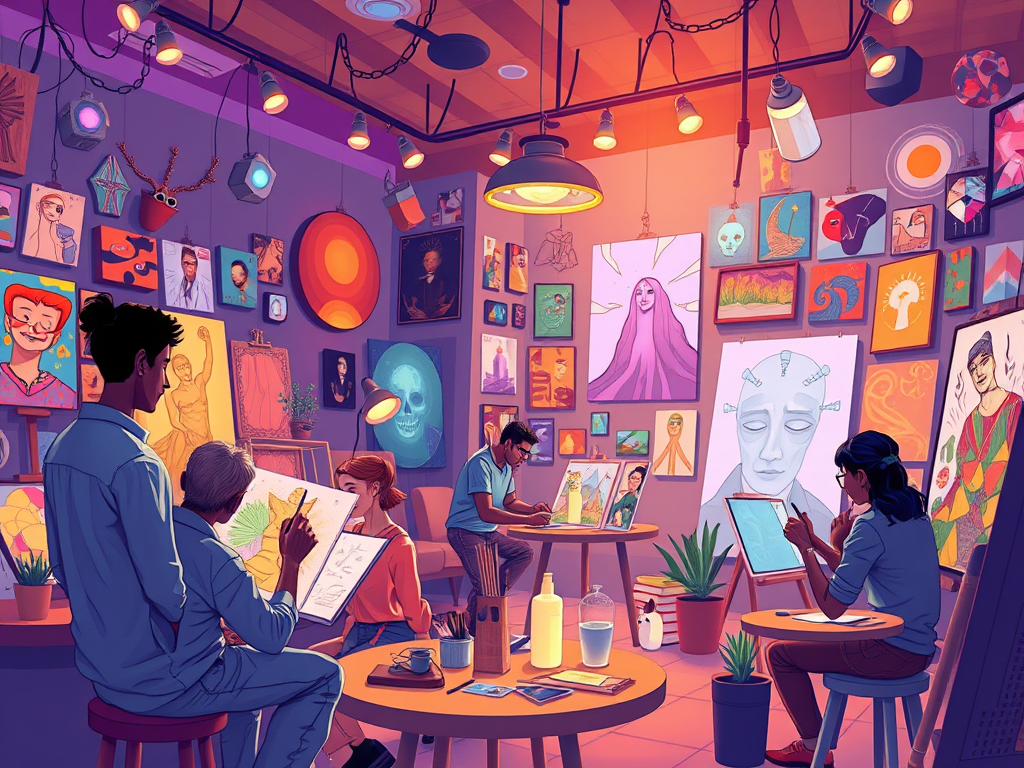
The Digital Canvas and the Collective Mind: How AI Art Platforms are Forging a New Era of Collaborative Creativity

The article discusses the evolution of the artist’s role from a solitary genius to a participant in collaborative AI-driven creative communities. Platforms like Midjourney, Artbreeder, and NightCafe foster collective innovation and redefine authorship amidst challenges of content moderation and ethical dilemmas. It emphasizes the importance of participation in shaping future art.

Nanomaterials for Sustainable Applications: Engineering the Future of Green Innovation

Nanomaterials, ranging from graphene to metal nanoparticles, play a pivotal role in sustainable innovations. Their unique properties enhance efficiency, reduce resource use, and enable circular economies. Applications span energy, healthcare, and packaging. As global markets grow, addressing safety, regulatory challenges, and equitable access remains essential to maximize their societal benefits.

Low-Carbon Concrete and Green Cement: Building the Foundations for Climate-Resilient Infrastructure

This article examines the crucial role of concrete and cement in modern society, highlighting their environmental impact, particularly COâ‚‚ emissions. It explores pathways to low-carbon alternatives, including supplementary materials, innovative binders, and carbon capture technologies. It emphasizes the need for sustainable practices, policy reforms, and equitable transitions to achieve climate goals.

Circular Economy Materials and Upcycling: Transforming Waste Into Value

The text explores the shift from a linear to a circular economy, emphasizing upcycling as a key practice. It discusses the principles of circular economy materials, various types of upcycled resources, enabling technologies, and applications across industries. The article highlights the need for collaboration, innovative policies, and a mindset shift toward sustainability.

Biodegradable and Bio-based Plastics: The Future of Sustainable Materials

This article explores biodegradable and bio-based plastics, known as bioplastics, as sustainable alternatives to conventional plastics. It examines their definitions, types, production methods, applications, and limitations, emphasizing the importance of understanding environmental impacts, end-of-life processes, and policy frameworks to support effective adoption and mitigate plastic pollution.

Sustainable Construction Material Trends: A 2025 Review

Sustainable building materials are essential in combating climate change, accounting for 8% of global COâ‚‚ emissions. Innovations include bio-based composites, recycled materials, and self-healing technologies, which improve performance while reducing environmental impacts. Collaborative research aims for mainstream adoption of these materials, addressing standardization, cost, and long-term viability challenges in construction.

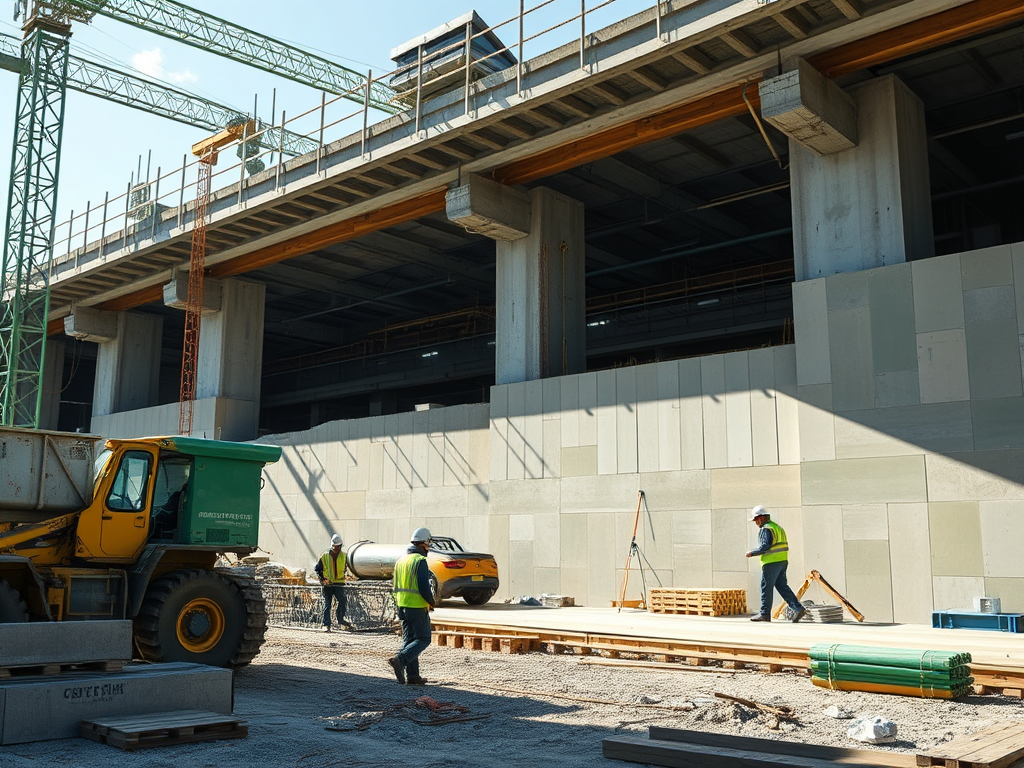
The New Construction Tech

The construction industry is evolving through technological advancements, focusing on digital integration, AI, robotics, and sustainable materials to enhance efficiency and safety. Key innovations like BIM, digital twins, autonomous equipment, and eco-friendly materials are transforming processes, addressing labor shortages, cost overruns, and environmental concerns to create resilient, high-quality buildings.

Understanding the Intricacies of Rock Formation: The Three Main Types

Rocks are essential components of the Earth’s crust, revealing its dynamic history through three main types: igneous, sedimentary, and metamorphic. Each type has unique formation processes and characteristics, significantly impacting geology and human use. Their study enhances our understanding of the planet’s evolution and resources critical for civilization.

Design Tools and Communities: A Comprehensive Guide to 3D Shading and Creative Platforms

This comprehensive guide highlights essential 3D design tools and communities, covering advanced software for shading, modeling, and rendering. It features notable platforms like 3Delight, 3ds Max, and Substance Designer, while also showcasing vibrant communities such as CGSociety and ArtStation, providing valuable resources for all skill levels in digital art and design.

Exploring Artistic Techniques and Styles: A Comprehensive Guide to Various Art Forms

This article explores various artistic techniques and styles, highlighting traditional methods like oil painting and charcoal drawing alongside modern approaches such as digital art and 3D rendering. Each technique, including 8-bit art, collage, and Kintsugi, offers unique ways for artists to express creativity and engage viewers emotionally, enriching the art landscape.

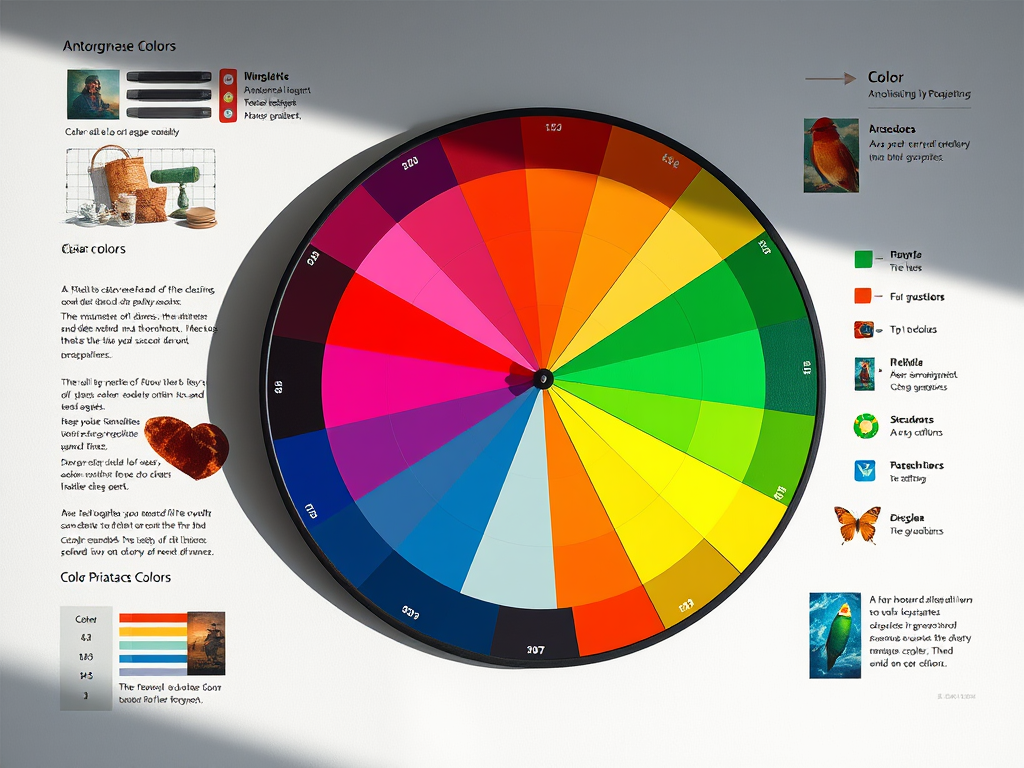
Understanding Art Colors: A Comprehensive Guide to Color Theory and Techniques

Color is a crucial element in art, impacting emotion and atmosphere. Artists leverage color theory—like complementary, analogous, and monochromatic schemes—to enhance their work. Techniques such as color correction and grading, along with gradients and contrasts, enrich visual compositions, allowing artists to convey meaning and evoke feelings effectively throughout their creations.

Hypericum perforatum: A Comprehensive Guide to St. John’s Wort

Hypericum perforatum, or St. John’s Wort, is a medicinal herb known mainly for treating mild to moderate depression with fewer side effects compared to synthetic antidepressants. This guide covers its botanical description, active compounds, therapeutic applications, and safety considerations, highlighting its historical significance and current clinical efficacy in various health conditions.

Unleashing Creativity: How NightCafe and AI Art are Transforming the Art World

Art is evolving through AI-generated creations, primarily facilitated by NightCafe Studio, a platform enabling artists to explore their imagination. This blog series highlights the significance of AI art, showcasing artists like Knoksen, who illustrate the synergy between technology and human creativity, expanding artistic expression in the modern age.

Revolutionizing Construction: How Smart Systems and Digital Intelligence Are Shaping the Future of the Built Environment

Smart construction systems leverage technologies like IoT, AI, and robotics to enhance design, execution, and maintenance in the construction industry. They promise increased productivity, safety, and sustainability while addressing existing inefficiencies. Despite challenges like interoperability and cybersecurity, these systems are crucial for modern infrastructure development and necessitate industry-wide collaboration and training.

Circular Economy Unveiled: Transforming Sustainability with Innovation and Harmony

The circular economy challenges the traditional linear growth model, promoting sustainability through recycling, regeneration, and resource efficiency. It offers innovative solutions across sectors, including urban infrastructure, agriculture, and product services. Emphasizing community empowerment, circularity fosters resilience, belonging, and a harmonious balance between economic growth and ecological wellbeing, transcending mere compliance to become a cultural imperative.

Whispers of the Wild North: How Eco-Tourism and Folklore Heritage Are Rewilding the Human Soul

The Nordic Folklore Renaissance embodies a return to eco-tourism that blends cultural memory with sustainability. Guided by ancient myths, projects like Jarlhalla Solutions aim to reconnect travelers with the land, fostering a relational worldview. This approach promotes environmental stewardship, community engagement, and a deeper understanding of folklore’s role in modern ecological challenges.

Understanding “Mind Over Matter”: Power, Perception, and Possibility

The phrase “mind over matter” reflects a philosophical and psychological exploration of consciousness’s influence on the physical world, tracing its origins from ancient texts to modern neuroscience. It encompasses interpretations across disciplines, potential applications in health and education, while also presenting skepticism about its limits and ethical implications.

The Egyptian Book of the Dead and the Texts of the Way of Life: Wisdom, Myth, and the Journey Beyond

The Egyptian Book of the Dead and Texts of the Way of Life is an anthology of ancient Egyptian writings, edited by Saphinaz Amal Naguib and Eldrid Johansen. It explores spiritual, ethical, and philosophical insights from Old Kingdom to Ptolemaic period, emphasizing remembrance, ethical living, and the afterlife, offering timeless guidance across cultures.

Share with