
Management

Deep Research Brief: The Potential of Mycelium

Executive Summary Mycelium has large potential, but not in one single “miracle” direction. Its strongest near-term potential is in soil health, ecological restoration, sustainable packaging, insulation, alternative protein, enzyme production, and selected bioremediation uses. Its more speculative potential lies in structural building materials, leather-like fashion materials, living electronics, large-scale carbon sequestration, and “wood-wide web” forest […]


The Ultimate Guide to the Mycelium Network

How Fungi Connect Forests, Feed Plants, Build Soil, Store Carbon, and Challenge How We Think About Life Underground Introduction: The Living Internet Beneath Our Feet Step into a forest and most of what matters is invisible. Above you are trunks, leaves, moss, birds, insects, and shafts of light. Beneath you is another world: threads thinner […]

Auditing the Latest BCI Breakthroughs: What Has Actually Changed, What Still Fails, and Why This Moment Matters

Introduction Brain-computer interfaces, or BCIs, are often described in language that is either embarrassingly inflated or embarrassingly outdated. In one direction lies the fantasy of effortless “mind reading.” In the other lies the stale assumption that BCIs are still little more than laboratory cursor tricks with no serious translational future. Both views are wrong. The […]

Personalized Gene Editing: A Game Changer for Ultra-Rare Disorders

Introduction Personalized gene editing sits at the edge of a profound shift in medicine. For decades, the treatment of genetic disease has been constrained by a hard economic and scientific reality: the rarer the mutation, the less likely it is that a conventional drug-development model will produce a therapy. Pharmaceutical pipelines have historically favored diseases […]

Navigating the Modern Internet’s Complex Ecosystem

The modern internet offers an extraordinary promise. A single individual, armed with curiosity and the right tools, can build systems and publish ideas. They can reach a global audience without needing institutional backing. Yet the same environment that enables this freedom is dense with automated defenses, algorithmic filters, and opportunistic noise. For first-time builders, the […]

Ultra-Processed Foods: The New Focus of Nutrition Policy

Ultra-Processed Foods Chapter 2. What counts as ultra-processed food (and why definitions cause arguments) If Chapter 1 was the “why now,” Chapter 2 is the “what exactly.” And here’s the uncomfortable truth: the argument over ultra-processed food is, first and foremost, an argument over definitions. That may sound like academic hair-splitting. But realize that definitions […]

Ultra-Processed Foods: The New Focus of Nutrition Policy

The series explores the significance of ultra-processed foods in nutrition policy, notably through the lens of the 2025–2030 U.S. Dietary Guidelines. It highlights rising consumption rates and health implications in both the U.S. and Norway while suggesting practical strategies for improving diet quality and understanding food classifications, balancing simplicity with nuance.

Optimizing Energy Performance with Digital Twins in Norwegian Buildings

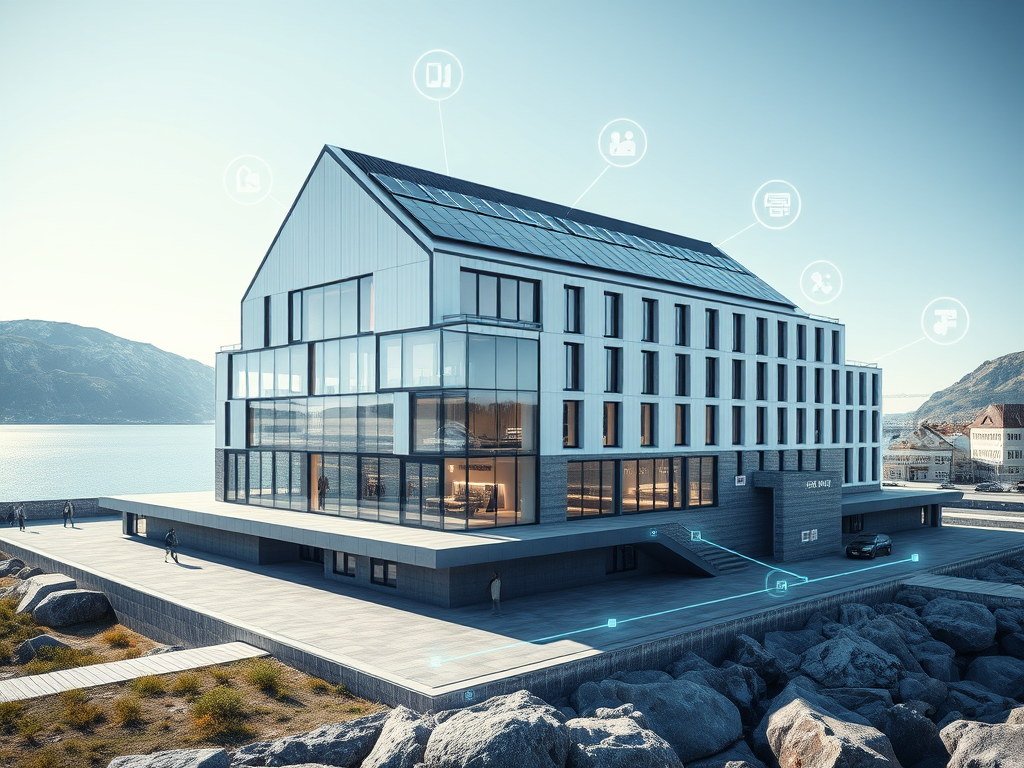
This case study illustrates the application of a digital twin in Norway’s building sector, addressing compliance with TEK17 and NS 3701 regulations. The approach ensures continuous monitoring of energy performance, offering improvements like energy savings and enhanced comfort. It aligns with future TEK26 goals for greater digital regulation and automatic compliance checks.

Embodied Carbon: The Future of Construction Decision-Making

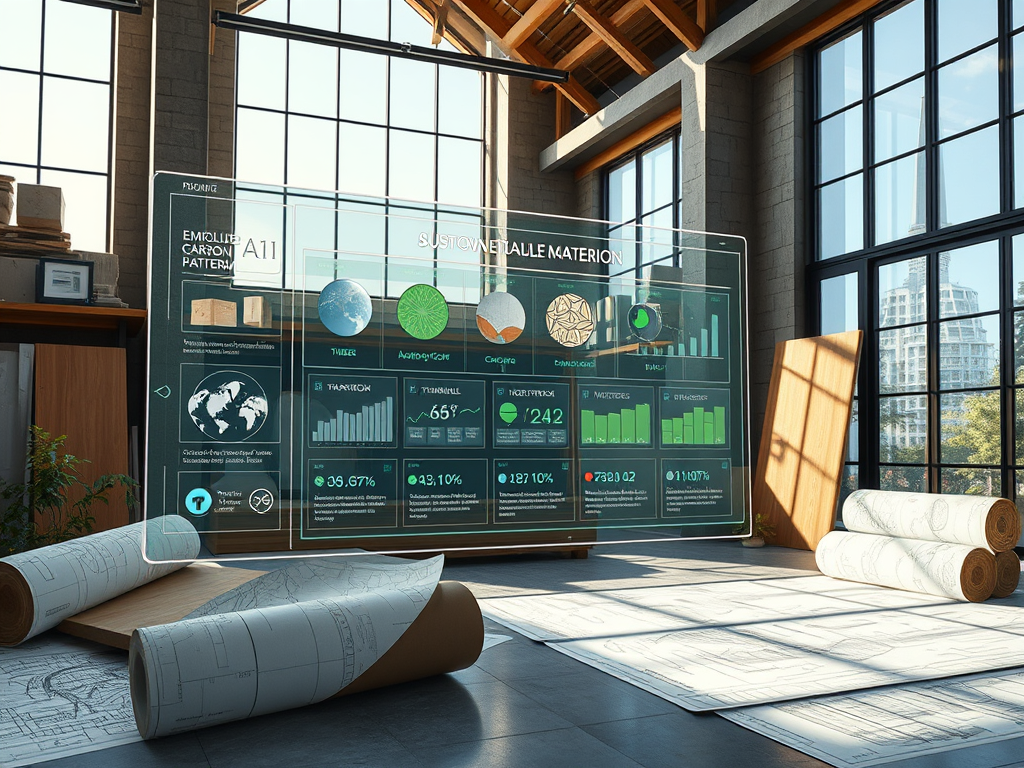
The architecture sector is shifting focus from operational to embodied carbon in building materials, driven by a new AI-powered sustainable materials platform. This platform integrates design, carbon metrics, and supply chain realities, reducing friction in material selection while optimizing for sustainability, cost, and performance. Its effectiveness will shape the industry as regulatory demands increase.

End of Passwords: The Rise of Passkeys

For over fifty years, passwords have been the primary digital security method, but they now face major vulnerabilities due to the increase in online accounts. Passkeys, a cryptographic, passwordless authentication method, are rapidly gaining adoption, demonstrating improved security and user experience. This marks a significant shift towards more efficient digital authentication.

Understanding Yule: A Journey Through History and Modern Practices

The article explores the significance of “Yule tider,” tracing its origins from pre-Christian Germanic and Norse traditions through Christianization to modern global practices. It highlights Yule’s role in community bonding during winter’s darkness and addresses contemporary challenges like commercialization and environmental impact while emphasizing the adaptability and evolving meanings of Yuletide traditions today.

Understanding Embodied Carbon in Concrete: A Key Design Variable

The article discusses the increasing importance of embodied carbon in concrete, especially as operational energy efficiency improves. It focuses on the shift towards low-carbon materials, like geopolymers and alternative binders, driven by European policies and market demand. Strategies for effective COâ‚‚ budgeting in design and construction practices are highlighted for engineers.

Transforming Compliance: From Burden to Integrated Design

The article discusses transforming compliance from a burdensome afterthought into an integral part of organizational architecture through a compliance-by-design pipeline. Key components include automating policy enforcement, ensuring traceability of actions, and creating reusable documentation. This approach promotes efficiency, reduces duplication, and fosters continuous improvement, ultimately enhancing organizational trust and compliance management.

Transforming Construction with Agentic AI: A Comprehensive Guide

Agentic AI has evolved from conversational systems to autonomous agents capable of performing significant operational tasks. This shift raises new risks related to governance, accountability, and cybersecurity. As organizations, especially in construction, adopt agentic AI, they must establish robust frameworks for oversight, transparency, and compliance to ensure safety and manage systemic risks effectively.

Navigating 2026: Essential Guidance for Personal Growth

By 2026, global conditions will demand strategic personal choices due to rising geopolitical tensions, economic shifts, and environmental risks. This article outlines ten key priorities for resilience and impact, including reassessing goals, enhancing digital literacy, securing data, and fostering health and community ties, emphasizing proactive adaptation for future challenges.

Creating a Sustainable Bedroom: Health and Environment Combined

The sustainable bedroom serves as a vital intersection of health, ecology, and comfort. By prioritizing low-emission materials, efficient energy use, and optimal indoor air quality, we can transform bedrooms into restorative spaces. Addressing historical design trends and current challenges, the article provides strategies for enhancing bedroom sustainability while emphasizing ongoing innovations and practical applications.

The Truth About Heavy Metals: Science and Society

This article explores the complex relationship between heavy metals and public health, discussing their historical presence and ongoing risks in modern life. It highlights how metals like lead and mercury persist in the environment and impact human health through exposure routes. The focus is on understanding speciation, regulatory measures, and the need for better governance to mitigate risks.

Sustainable Metal Practices for a Greener Future

This exploration of metals highlights their crucial role in civilization, from ancient metallurgy to modern applications in various industries. It discusses historical milestones, current challenges, and sustainability trends influencing the future of metallurgy. The piece aims to inspire understanding of metals’ significance and promotes responsible practices in their use and production.

Sustainable Living Room Ideas for Modern Homes

This article emphasizes the importance of creating sustainable living rooms that reflect personal style and environmental consciousness. It traces the historical evolution of sustainable design, highlights modern practices and materials, and discusses future innovations and challenges. It provides practical steps for homeowners to adopt eco-friendly choices in their living spaces.

Planning for 2026: Navigating Uncertainty and Change

The content details a planning framework for 2026, highlighting the challenges posed by economic fragility, climate change, AI adoption, and regulatory changes. Organizations should focus on building capabilities that ensure resilience across various scenarios, as predictions become less reliable. Major global events in 2026 will also impact logistics and resilience strategies.

Exploring Poverty in Affluent Nations: A Hidden Crisis

The exploration highlights the paradox of poverty existing within wealthy nations, emphasizing that wealth does not eliminate deprivation. Using Norway as a case study, it examines historical roots, contemporary forms, and implications of relative poverty. The analysis underscores the psychological and social impacts, advocating for innovative policies and empathy to bridge the gap.

Top 5 Technologies Reshaping 2026

In 2026, five transformative technologies will reshape economies and address climate challenges: agentic AI will enhance workflows across sectors; spatial computing will revolutionize interaction with data; robotics will improve efficiency and address labor issues; bioengineering will innovate health solutions; and climate tech will support sustainable energy infrastructure.

Benefits of Building with Timber Houses

Timber houses, once seen as traditional, are emerging as sustainable, high-performance building options. Modern timber construction utilizes renewable materials and advanced engineering, ensuring lower carbon footprints and better indoor environments. Fire safety, durability, and energy efficiency are addressed effectively, making wooden homes an appealing choice for future-oriented living and environmental responsibility.

High-Tech Cladding: Transforming Building Façades

The article discusses the evolution of building façades from simple weather barriers to advanced systems that integrate solar energy, climate management, and data communication. It highlights various high-tech cladding innovations, including photovoltaic panels, dynamic façades, bio-based materials, and sensor-rich technologies, emphasizing performance, sustainability, and long-term value in modern architecture.

Share with