
Article

Benefits of Building with Timber Houses

Timber houses, once seen as traditional, are emerging as sustainable, high-performance building options. Modern timber construction utilizes renewable materials and advanced engineering, ensuring lower carbon footprints and better indoor environments. Fire safety, durability, and energy efficiency are addressed effectively, making wooden homes an appealing choice for future-oriented living and environmental responsibility.


High-Tech Cladding: Transforming Building Façades

The article discusses the evolution of building façades from simple weather barriers to advanced systems that integrate solar energy, climate management, and data communication. It highlights various high-tech cladding innovations, including photovoltaic panels, dynamic façades, bio-based materials, and sensor-rich technologies, emphasizing performance, sustainability, and long-term value in modern architecture.

Understanding Isotopes: Tracing Urban Flows and Metabolisms

Isotopes provide a powerful lens for understanding environmental flows, revealing the intricate metabolisms of cities and ecosystems. They allow precise tracing of water, carbon, nutrients, and materials, transforming vague claims into substantiated data. This isotopic approach fosters informed decision-making in urban planning and sustainability efforts, moving beyond mere narratives to evidence-based practices.

Understanding Isotopes: Key to Future Material Innovations

The article discusses the role of isotopes in understanding and enhancing materials, from their origins to their behaviours under various conditions. Isotopes serve as markers for tracing material history, measuring degradation, and ensuring responsible sourcing. The insights gained can lead to improved material design and sustainable practices in construction and manufacturing.

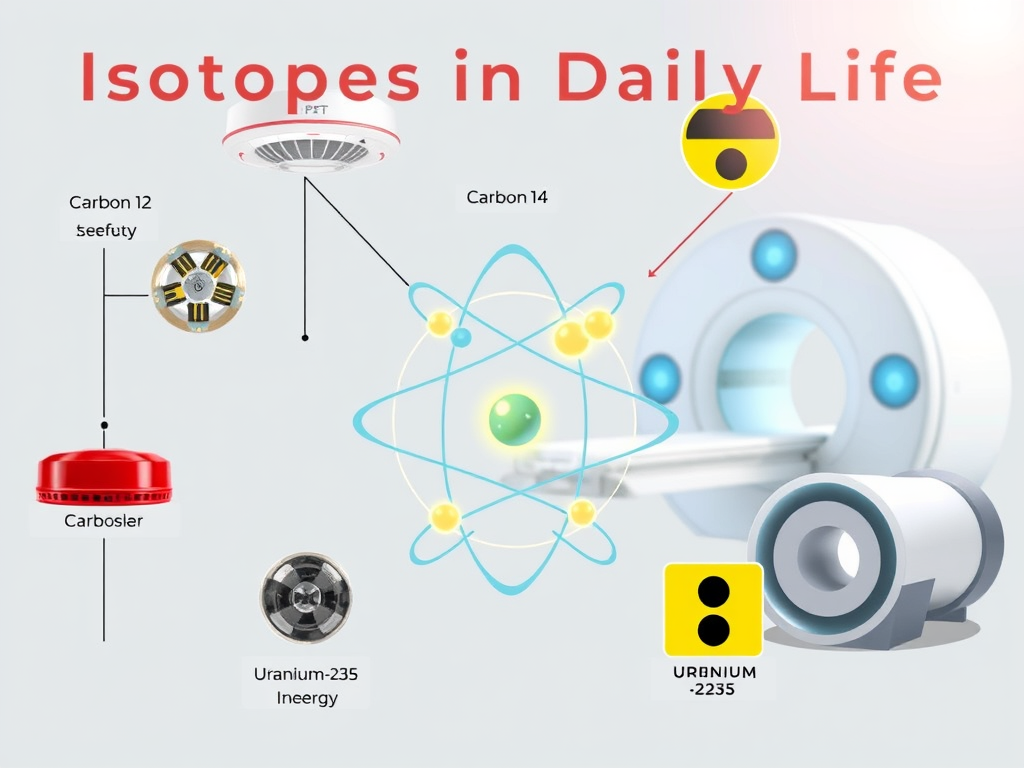
Isotopes in Daily Life: Applications and Innovations

Isotopes balance the strong nuclear force and electric repulsion, impacting Earth’s geology and technology. Long-lived isotopes date rocks, while short-lived isotopes serve as tools in research. They enhance safety, medical diagnostics, and environmental studies. Understanding isotopes helps innovate materials, structures, and resource management, connecting atomic detail to practical applications.

Understanding Environmental AI: The Future of Planetary Governance

The Earth is now perceived as a data-rich entity thanks to AI advancements that enhance environmental monitoring, transforming passive observation into intelligent sensing. This paradigm shift promotes anticipatory governance amid ecological crises. Norway exemplifies ethical AI integration while addressing challenges such as data bias, resource intensity, and the need for participatory stewardship.

Nano-Infused Construction: Innovating Infrastructure for Sustainability

This article examines the merging of nanotechnology and construction technology, highlighting their historical development and current trends. It discusses practical applications such as self-cleaning surfaces and smart materials, while addressing challenges like cost and health risks. The fusion points toward a sustainable future, emphasizing digital integration and enhanced materials for improved construction processes.

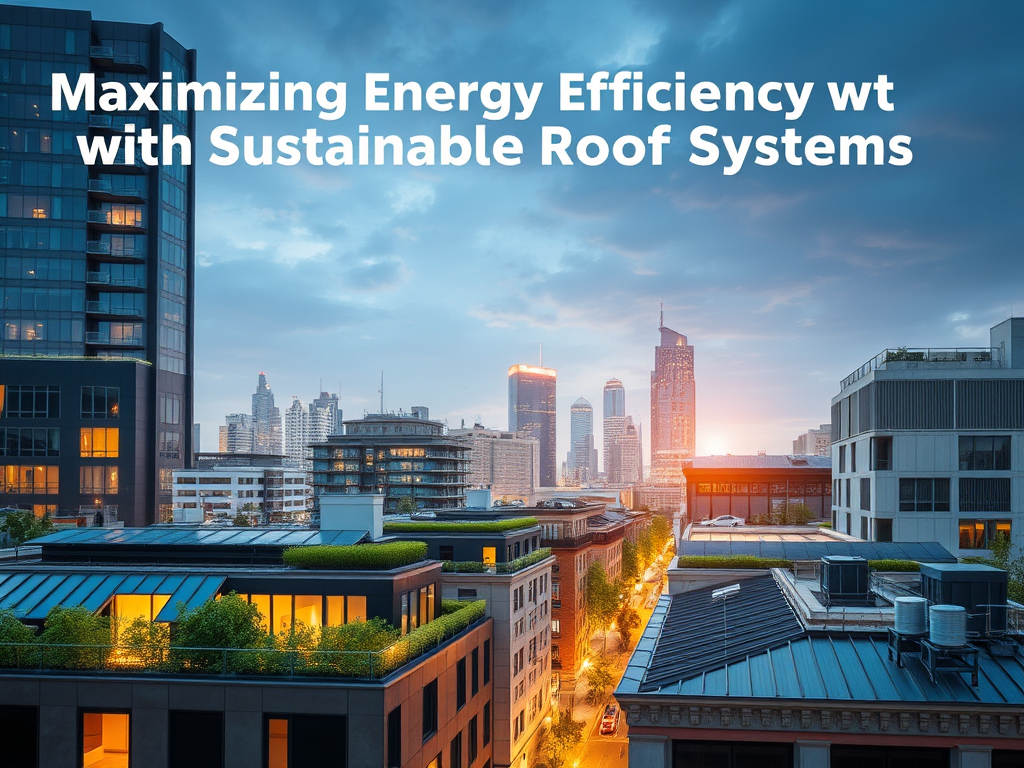
Maximizing Energy Efficiency with Sustainable Roof Systems

Roofs are essential for more than shelter; they regulate temperature, manage water, and support energy systems. Sustainable roof construction integrates historical lessons, current practices, and future innovations. This article emphasizes the importance of roofs in urban resilience, energy efficiency, and resource management, urging a holistic approach to design and implementation.

A Love Letter with Caveats: Why I Celebrate – and Respect – the Wood Anemone (Anemone nemorosa)

Hvitveis, or wood anemone, symbolizes spring but poses significant toxicity risks that undermine its historical medicinal use. Despite its beauty and cultural significance, modern medicine offers safer alternatives. The plant’s ecological value lies in its role as an indicator of woodland health, warranting admiration without the temptation for self-medication.

The Future of Building Façades: Hybrid Panels and Energy Integration

The evolution of hybrid panels and energy-injected cladding represents a pivotal shift in building design, enhancing energy efficiency and reducing carbon emissions. These multifunctional façades integrate energy generation and management within building envelopes, supporting sustainable architecture. Despite challenges like cost and complexity, their relevance grows in achieving decarbonization and occupant comfort.

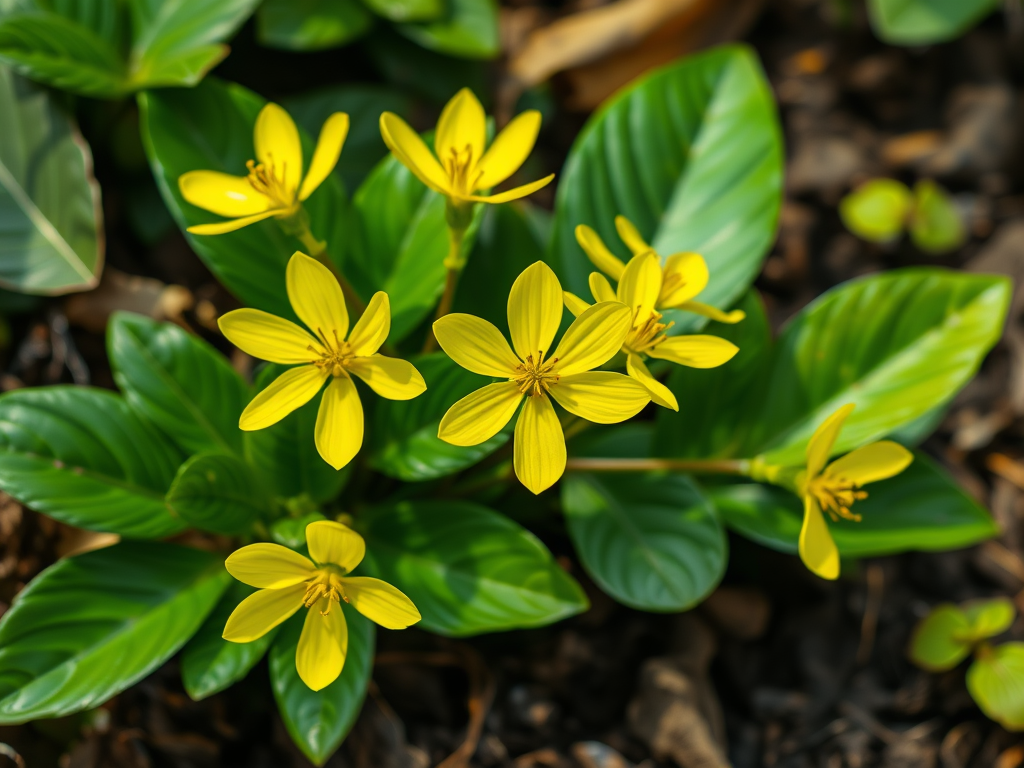
Exploring the Pharmacological Effects of Ficaria Verna

Introduction Lesser celandine (Ficaria verna Huds., syn. Ranunculus ficaria L.) is one of the first wildflowers to pierce the soil in early spring, carpeting European woodlands and stream banks with glossy yellow blossoms. Behind its cheerful appearance, there is a plant of considerable pharmacological interest. It has complex chemistry. Its reputation oscillates between being a […]

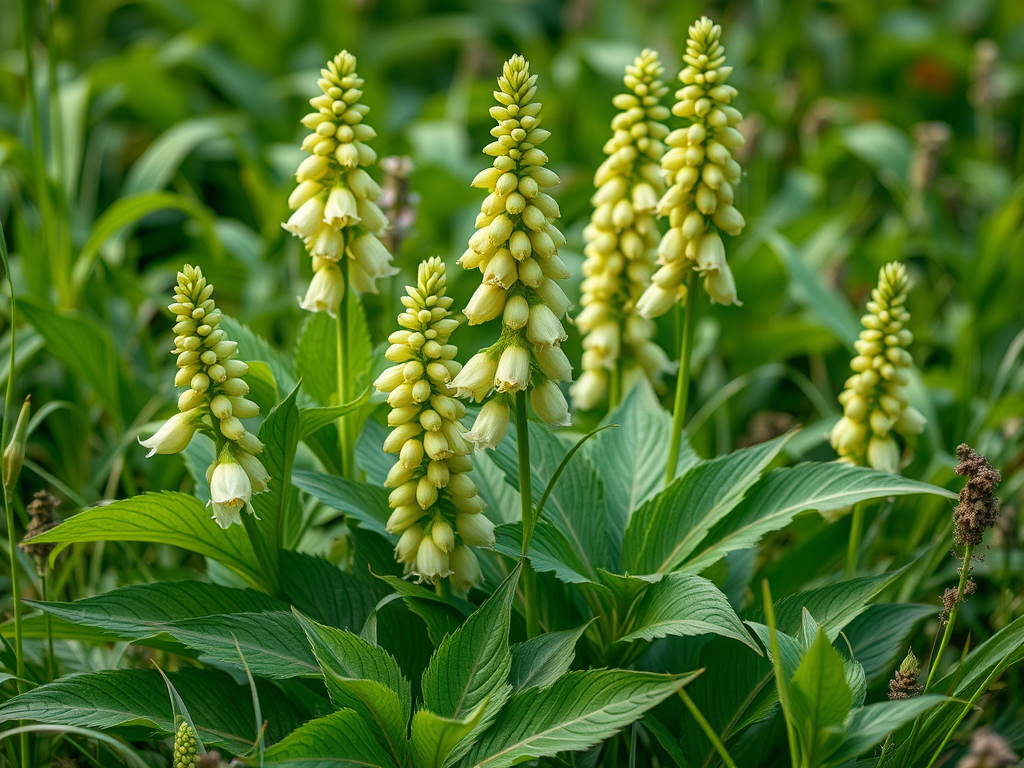
Lily of the Valley: A Medicinal and Toxic Botanical Wonder

Lily of the valley (Convallaria majalis) is a beautiful yet toxic perennial known for its fragrant white flowers. This article discusses its botany, pharmacological properties, medicinal uses, and significance in culture and horticulture. The plant’s toxicity requires careful handling, underscoring its dual nature as both a captivating and dangerous flora.

Bioreactors vs Geothermal: Competing Pathways to Sustainable Energy for Future Homes

The article discusses innovations for sustainable housing, focusing on bioreactor-based energy systems and geothermal heat exchange as complementary technologies. It examines their historical evolution, modern applications, and potential integration in smart homes. The future of sustainable architecture hinges on hybrid systems that leverage these methods for net-positive energy and ecological resilience.

Silicon’s Hidden Cycle: From the Earth’s Interior to Man’s Cells

Silicon, abundant yet often neglected, plays a crucial role in both technology and human health. Its historical significance spans from ancient cultures to modern advancements. However, contemporary water supply practices prioritize pure, mineral-poor water for humans while reserving mineral-rich groundwater for industries, disrupting natural mineral balances essential for well-being.

Densified Wood and the New Material Civilization

Densified wood represents a transformative approach to sustainable materials, integrating molecular engineering, AI, and ecological design. It combines the renewability of forests with advanced technology to create a biodegradable, high-performance material stronger than metals. This innovative paradigm fosters collaboration between design and ecology, promising a future where materials enhance our relationship with nature.

The 30 Most Amazing Things to Expect in 2026

As we approach 2026, humanity anticipates transformative advancements across various sectors, including AI, sustainable cities, quantum computing, and personalized healthcare. These innovations promise to enhance daily life, environmental sustainability, and global connectivity. However, they also raise critical ethical discussions about privacy, agency, and societal equity, urging a balanced future.

What Happened to the Power of the People?

The article explores the evolution and current state of collective agency, emphasizing the enduring power of people throughout history. Despite contemporary challenges like disinformation and digital divides, movements persist in new forms. Revival of grassroots participation and innovative, decentralized approaches could reignite collective action, fostering societal progress and responsiveness to urgent challenges.

What to Expect When Entering the Year 2030: A Comprehensive Outlook

As we approach 2030, transformative forces such as technological advances, demographic changes, and sustainability efforts are reshaping society. This article outlines key trends, challenges, and innovations across various sectors, emphasizing the importance of adaptability and collective action to navigate the future’s complexities and ensure a positive impact on humanity and the environment.

How AI is Our Technological Saviour

Artificial Intelligence (AI) marks a significant technological evolution, reshaping economies and societies. It empowers diverse applications across healthcare, climate, and urban development while facing challenges like bias and privacy concerns. The journey ahead demands ethical governance, reskilling efforts, and collaborative approaches to ensure AI serves humanity positively and sustainably.

Veratrum album: The Enigmatic White Hellebore

White Hellebore, or Veratrum album, is a paradoxical plant with medicinal benefits and lethal properties, rooted in European and Asian folklore. Historically utilized for healing and toxicological studies, it remains relevant in modern pharmacology and public health discussions. Ongoing research may reveal its future potential while emphasizing ecological conservation.

Exploring Taxus Baccata: The Enigmatic European Yew

The European yew, Taxus baccata, symbolizes both life and death, serving as a vital resource in history, medicine, and culture. With ancient roots, it has transitioned from sacred rituals to modern cancer treatments. While facing conservation challenges, its significance continues to inspire research, emphasizing the balance between utilization and preservation.

Daphne Mezereum: An Exploration of the Enigmatic Paradise Plant

Daphne mezereum, or mezereon, is a toxic shrub native to Europe, North Africa, and Western Asia, admired for its pink flowers and harmful berries. Historically used in folk medicine, it poses serious health risks due to potent toxins. Caution is essential when handling this attractive, yet dangerous plant, known for its duality.

Share with