
Month: August 2025

Why Abstract Thinking Is the Cognitive Superpower We Keep Underrating

This piece emphasizes the importance of abstraction in distinguishing strategic judgment from reactive thinking. It explores the definitions, brain processes, and psychological theories behind abstract thinking. The article advocates for training this skill, particularly in education and business, to enhance decision-making and foster innovation, amidst an era dominated by concrete data and details.


Why Zodiac Signs Still Matter in 2025

The article explores the enduring appeal of astrology, contrasting its ancient origins with modern applications. It discusses how astrology operates as a symbolic language rather than a science, appealing to human psychology. While it offers insights and serves as a narrative tool, the piece warns against relying on it for critical life decisions.

Silver Deserves More Respect: Why the World’s Shiniest Metal Is Quietly Powering Our Future

Silver is vital beyond its glamor; it excels in conductivity and is essential in electronics, solar energy, and medicine. Industrial demand is rising dramatically, compounded by finite reserves. Effective policy and consumer choices are crucial for sustainable utilization, while the antimicrobial properties of silver require careful application to avoid environmental issues.

European Mistletoe (Viscum album L.): A Harvard-Style Overview for Clinicians, Herbal Practitioners, and Informed Patients

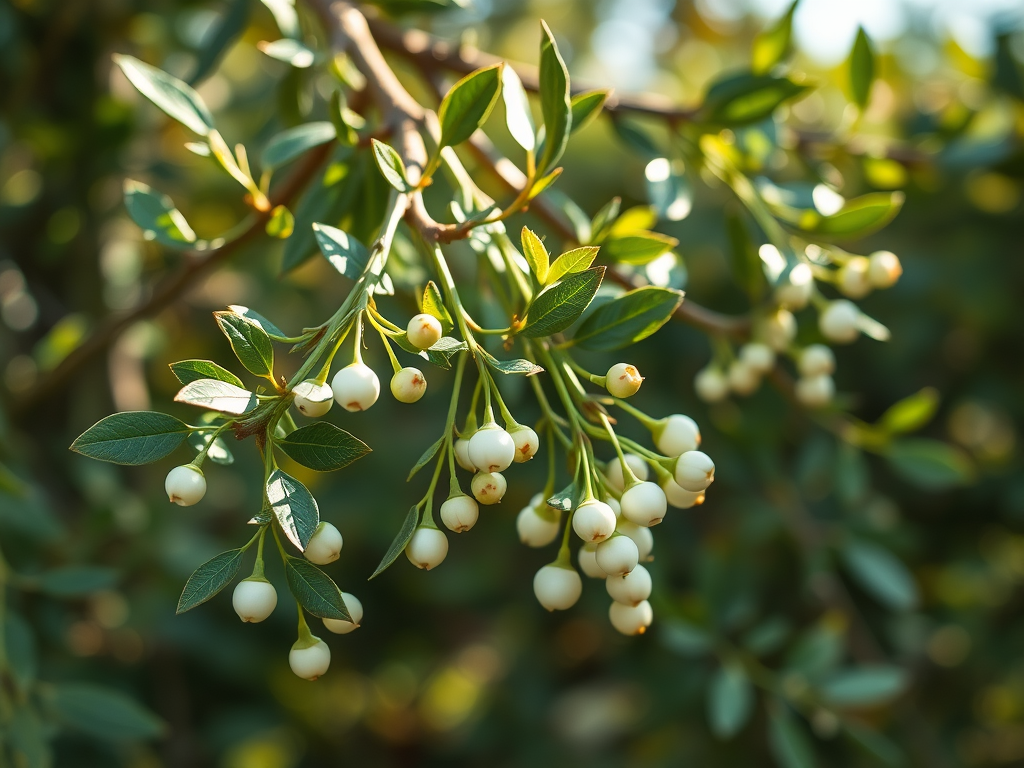
European mistletoe (Viscum album), an evergreen hemi-parasitic shrub, has traditional uses in folklore and medicine, and is now explored in integrative oncology. This article discusses its botanical profile, pharmacology, traditional uses, safety, and its role in cancer treatment, highlighting the need for further clinical research and standardisation.

Corn Cockle (Agrostemma githago): A Comprehensive Harvard-Style Review

Corn cockle (Agrostemma githago) is a toxic archaeophyte that flourished with early agriculture but declined with modern farming practices. Its seeds contain harmful saponins, leading to contamination risks in flour. While prohibited in therapeutics, it holds ecological value, prompting a conservation paradox as it’s endangered yet protected in some regions.

Soapwort (Saponaria officinalis): An Old-World Herb the 21st Century Shouldn’t Ignore

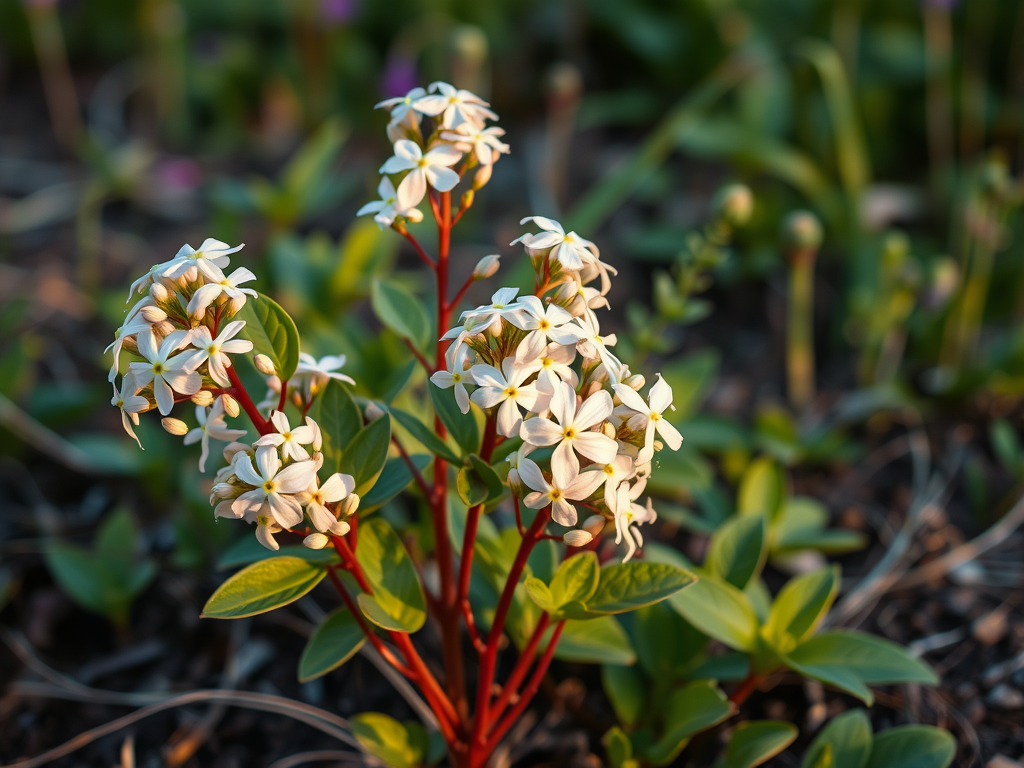
Soapwort, a versatile perennial plant, serves various roles from a gentle detergent for textiles to a mild expectorant in herbal medicine. This article explores its historical significance, chemical properties, safety considerations, and practical applications, advocating for responsible use and research into its potential benefits for sensitive skin and respiratory health.

Scarlet Pimpernel (Lysimachia arvensis): From “Weatherglass” to Bioresource—A Proper, Evidence-Led Guide

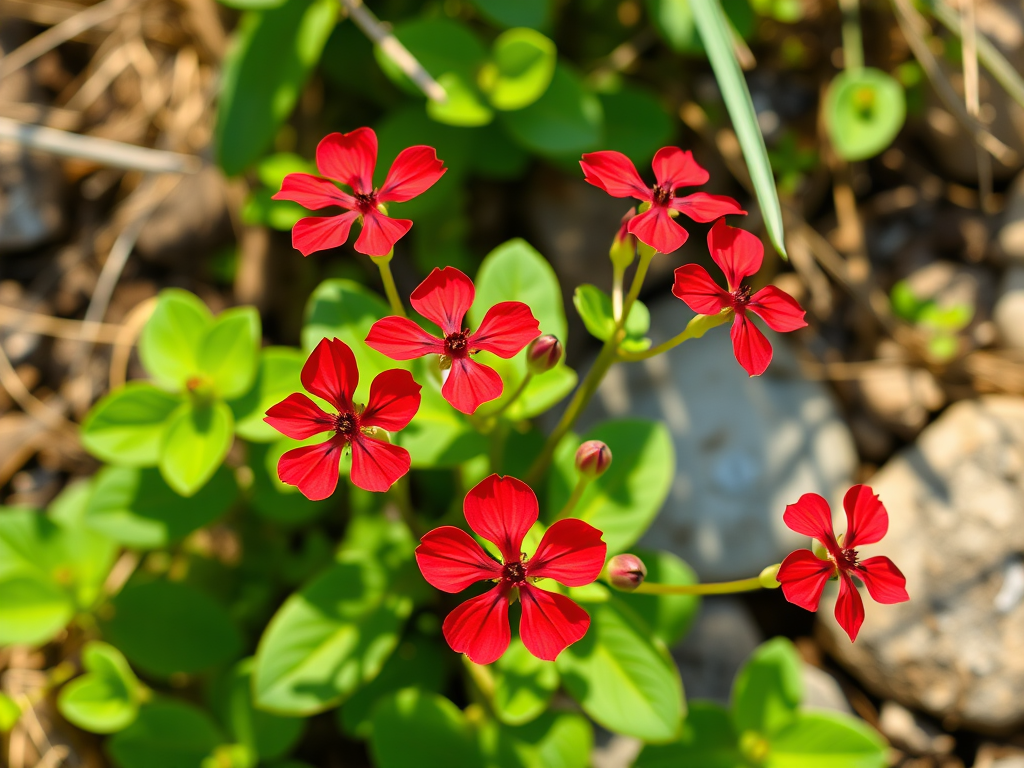
Scarlet pimpernel, historically valued for its medicinal properties, is now often regarded as a weed despite its ecological and cultural significance. This review encompasses its botany, cultivation, and safety concerns, emphasizing diligent identification and controlled research while advocating for responsible management to appreciate its beauty without compromising safety and health.

An Alpine Underdog Worth Knowing: Rypebær (Arctous alpina) Explained Through the Toulmin Model

Rypebær (Arctous alpina) is a low-growing shrub with black berries valued for their nutritional and ecological benefits. This document explores its culinary potential, antimicrobial properties, and ecological significance using the Toulmin model. It emphasizes careful identification and ethical foraging, highlighting its role in sustainable Nordic gastronomy and the importance of correct taxonomic classification.

Tyrihjelm (Aconitum septentrionale): A Detailed Guide to the Scandinavian Monkshood

Tyrihjelm, or Northern wolf’s-bane, is a striking yet toxic wildflower in Northern Europe. With features like robust height and attractive blue flowers, it serves ecological roles and has pharmaceutical potential. However, its high toxicity requires strict safety precautions for gardeners, researchers, and foragers, emphasizing the need for responsible handling.

The Science of Tides: A Harvard Framework Analysis of Nature’s Rhythmic Forces

Tides result from gravitational forces between the Earth, Moon, and Sun, creating cyclical high and low sea levels that shape coastlines and support ecosystems. This article examines tidal mechanics, including spring and neap tides, regional variations, atmospheric influence, and implications for navigation, renewable energy, and climate change impacts on coastal areas.

Air Canada Strike 2025: Causes, Consequences and Smart Traveller Strategies

The 2025 Air Canada labour strike severely disrupts North American aviation, exposing collective bargaining issues and traveller rights concerns. Economic impacts include a projected CAD $1.9 billion GDP drag and significant delays affecting cargo and tourism. Stakeholders must engage for solutions that enhance operational resilience and protect passenger interests in future disruptions.

Quantum Resonance in Architectural Design

The article discusses the integration of quantum mechanics and resonance into architectural design, proposing buildings that harmonize with nature’s cycles. It explores historical applications, modern innovations like smart materials and energy management, and highlights potential for sustainable structures. Ultimately, this approach aims to redefine architecture as a participant in environmental energy flows.

Norway’s Artificial Intelligence Sector and Its Potential to Drive Breakthroughs in Physics and Astronomy (2025 Outlook)

Artificial Intelligence (AI) is transforming scientific discovery, particularly in physics and astronomy, by analyzing vast data and proposing new theories. Norway’s vibrant AI sector, with over 350 companies, shows promise for contributing to global trends. Strategic initiatives could position Norway as a leader in AI-driven scientific exploration by 2035.

The Curious Case of the Colossal “Potato”: Why the Mundane Still Resonates

The story of “Doug,” the supposed world’s biggest potato, reveals how mundane occurrences can generate humor and connection. Initially celebrated, Doug was later identified as a gourd, highlighting the allure of trivial tales. Such narratives reflect our everyday lives, prompting moments of recognition in the ordinary and emphasizing the beauty of the uneventful.

Understanding Gemmology: The Science Behind Gemstones

Gemmology is the scientific study of gemstones, focusing on their origin, properties, and identification. Established formally in the early 20th century, it includes educational pathways and hands-on training. Gemmology influences various industries, particularly jewelry, and is evolving with technology and sustainable practices, promising future innovations in gemstone science.

Locking the Back Door: How Threat Actors Gain and Maintain Persistence in Compromised Systems

The report discusses the complex nature of persistence in cyberattacks, emphasizing techniques used by adversaries to maintain unauthorized access. It covers historical methods of intrusion, the utilization of legitimate system features, advanced tactics like DLL hijacking and rootkits, and the importance of continuous defense against these subtle, enduring threats to security.

Digital Gold and Dark Money: An Inside Look at the Currencies Fueling the Global Illicit Economy

The digital underworld thrives on cryptocurrencies, with Bitcoin, Monero, and stablecoins serving unique roles in illicit finance. Bitcoin’s liquidity and market maturity contrast with Monero’s anonymity, while stablecoins mitigate volatility risks. This evolving landscape poses challenges for law enforcement, necessitating advanced forensics and regulatory collaborations to combat criminal activities effectively.

Log4Shell: How a Single Vulnerability Ignited a Cybercrime Gold Rush and Reshaped the Threat Landscape

On December 9, 2021, a critical vulnerability known as Log4Shell was discovered in the Log4j logging library, exposing countless systems to exploitation. Cybercriminals rapidly mobilized, sharing tools and techniques to capitalize on the flaw. The incident highlighted systemic risks in software dependency, emphasizing the need for proactive cybersecurity measures and collaborative defenses.

The Ghost in the Machine: Decoding the State-Sponsored Playbook for Compromising Critical Infrastructure

Introduction: The New Front Line is Invisible In the 21st century, the front lines of geopolitical conflict are no longer solely defined by geographical borders or military hardware. A new, far more insidious battlefield has emerged within the digital sinews of our modern world: our critical infrastructure. The power grids that light our cities, the […]

The Digital Black Market: An Investigative Report on the Underground Economy of Stolen Credit Card Data

The underground economy of the darknet thrives on trading stolen identities and credit card information. As technology has advanced, criminal methodologies have become increasingly sophisticated, creating a highly organized market. This report explores the dynamics of this illicit marketplace, revealing its operational mechanics, pricing factors, and implications for individuals and institutions.

The Modern Threat Landscape: Evolving Initial Access Vectors in Cyberattacks

The article highlights the increasing sophistication of cyberattacks, focusing on five primary initial access vectors: public-facing vulnerabilities, stolen credentials, phishing campaigns, RDP/VPN weaknesses, and supply chain compromise. Each vector is analyzed for its historical context, current methods, and future implications, emphasizing the need for robust defensive strategies against evolving threats.

The Operative Infrastructure of Ransomware-as-a-Service (RaaS): Decoding the Dark Web’s Organized Cybercrime

Ransomware-as-a-Service (RaaS) has revolutionized cybercrime by democratizing access to sophisticated ransomware tools, allowing novice attack affiliates to execute complex attacks. This model enhances collaboration between developers and affiliates through structured revenue sharing and professional support systems, leading to a rise in cyber threats. Addressing RaaS requires coordinated global efforts and advanced cybersecurity measures.

Cyberattacks on Social Platforms: The Digital Battleground of the 21st Century

Social platforms have transformed communication and information exchange but are now prime targets for cyberattacks, posing significant challenges. This article analyzes the evolution of attacks, common tactics employed by cybercriminals, and necessary defenses, emphasizing that individual vigilance and collaboration are essential for securing these vital digital spaces against emerging threats.

Share with