
Month: July 2025

Unveiling the Future of Art: A Deep Dive into Merlin AI Bonkers, Leonardo AI Flux Kontext, and Nightcafé Studios Flux 1.1 Pro

The content discusses the emergence and evolution of AI-driven art creation tools like Merlin AI Bonkers, Leonardo AI Flux Kontext, and Nightcafé Studios Flux 1.1 Pro. It highlights their significance in democratizing creativity, practical applications across industries, future advancements, and the ethical considerations associated with their widespread use.


BERT Models: Revolutionizing Natural Language Processing

BERT, developed by Google in 2018, revolutionized Natural Language Processing (NLP) through its bidirectional context understanding, enhancing models’ ability to interpret language. This article discusses BERT’s architecture, applications, and variants, while highlighting its impact on search engines, question answering, and text classification, alongside addressing challenges like bias and interpretability.

Nanomaterials for Sustainable Applications: Engineering the Future of Green Innovation

Nanomaterials, ranging from graphene to metal nanoparticles, play a pivotal role in sustainable innovations. Their unique properties enhance efficiency, reduce resource use, and enable circular economies. Applications span energy, healthcare, and packaging. As global markets grow, addressing safety, regulatory challenges, and equitable access remains essential to maximize their societal benefits.

Low-Carbon Concrete and Green Cement: Building the Foundations for Climate-Resilient Infrastructure

This article examines the crucial role of concrete and cement in modern society, highlighting their environmental impact, particularly CO₂ emissions. It explores pathways to low-carbon alternatives, including supplementary materials, innovative binders, and carbon capture technologies. It emphasizes the need for sustainable practices, policy reforms, and equitable transitions to achieve climate goals.

Mycelium-Based Materials: The Fungal Frontier of Sustainable Design

Mycelium, the root network of fungi, is gaining prominence as a sustainable material for diverse applications, including packaging, construction, and fashion. By transforming agricultural waste into reliable, biodegradable products, mycelium offers eco-friendly alternatives that address urgent environmental issues, paving the way for a circular economy and innovative design solutions.

Circular Economy Materials and Upcycling: Transforming Waste Into Value

The text explores the shift from a linear to a circular economy, emphasizing upcycling as a key practice. It discusses the principles of circular economy materials, various types of upcycled resources, enabling technologies, and applications across industries. The article highlights the need for collaboration, innovative policies, and a mindset shift toward sustainability.

Biodegradable and Bio-based Plastics: The Future of Sustainable Materials

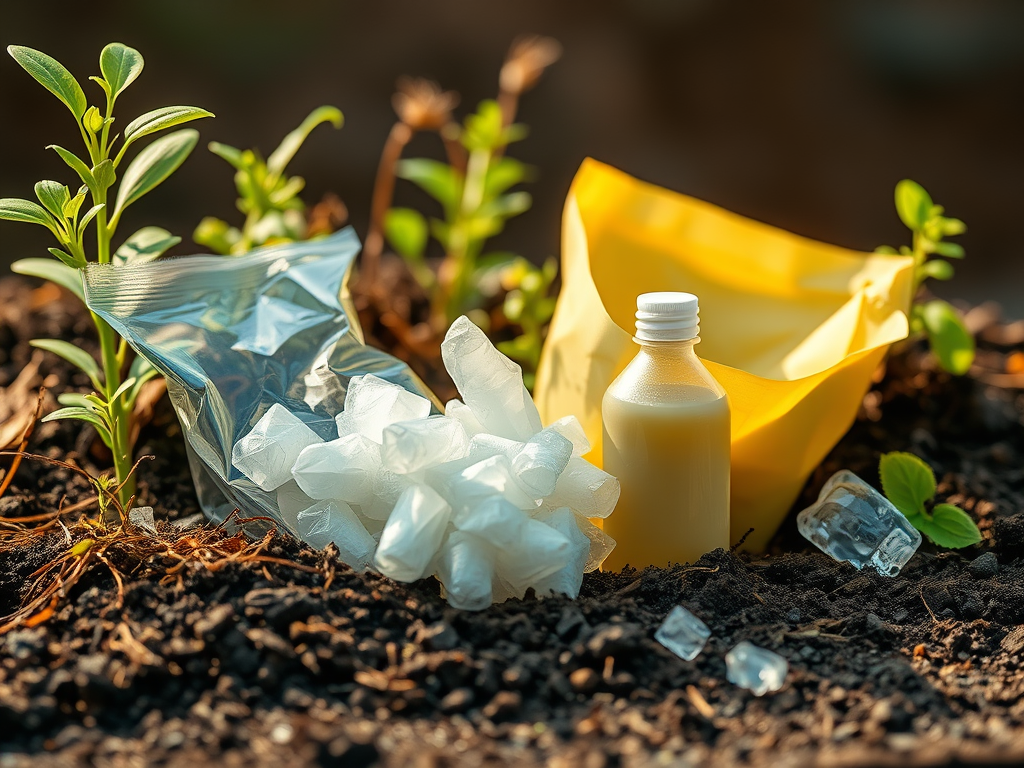
This article explores biodegradable and bio-based plastics, known as bioplastics, as sustainable alternatives to conventional plastics. It examines their definitions, types, production methods, applications, and limitations, emphasizing the importance of understanding environmental impacts, end-of-life processes, and policy frameworks to support effective adoption and mitigate plastic pollution.

Sustainable Construction Material Trends: A 2025 Review

Sustainable building materials are essential in combating climate change, accounting for 8% of global CO₂ emissions. Innovations include bio-based composites, recycled materials, and self-healing technologies, which improve performance while reducing environmental impacts. Collaborative research aims for mainstream adoption of these materials, addressing standardization, cost, and long-term viability challenges in construction.

The New Construction Tech

The construction industry is evolving through technological advancements, focusing on digital integration, AI, robotics, and sustainable materials to enhance efficiency and safety. Key innovations like BIM, digital twins, autonomous equipment, and eco-friendly materials are transforming processes, addressing labor shortages, cost overruns, and environmental concerns to create resilient, high-quality buildings.

Understanding the Intricacies of Rock Formation: The Three Main Types

Rocks are essential components of the Earth’s crust, revealing its dynamic history through three main types: igneous, sedimentary, and metamorphic. Each type has unique formation processes and characteristics, significantly impacting geology and human use. Their study enhances our understanding of the planet’s evolution and resources critical for civilization.

Bulmeurt (Hyoscyamus niger): A Harvard-Style Analysis of Henbane’s Botanical, Pharmacological, and Historical Profile

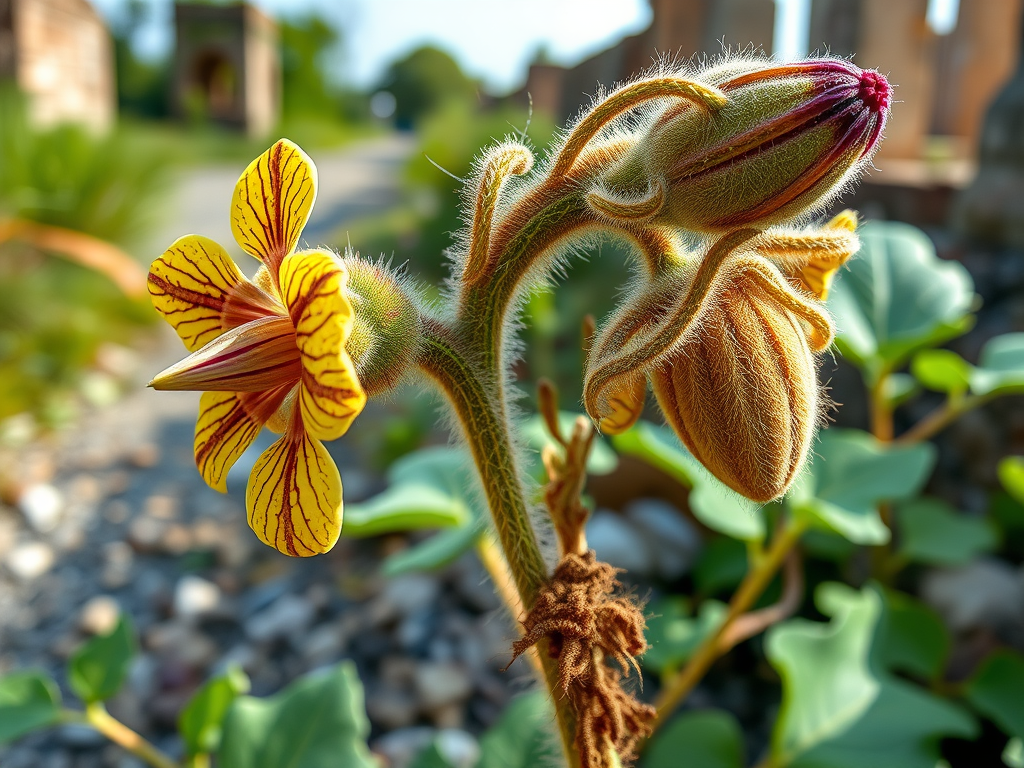
Bulmeurt (Hyoscyamus niger), or henbane, is a toxic plant with a rich history in medicine and folklore. Its alkaloids offer medicinal benefits, but extreme toxicity poses significant risks. The article assesses henbane’s botanical profile, pharmacological functions, historical uses, and recommendations for safe medical application, emphasizing the necessity of professional supervision.

Ligustrum vulgare: The Overlooked Significance and Cautionary Lessons of Wild Privet

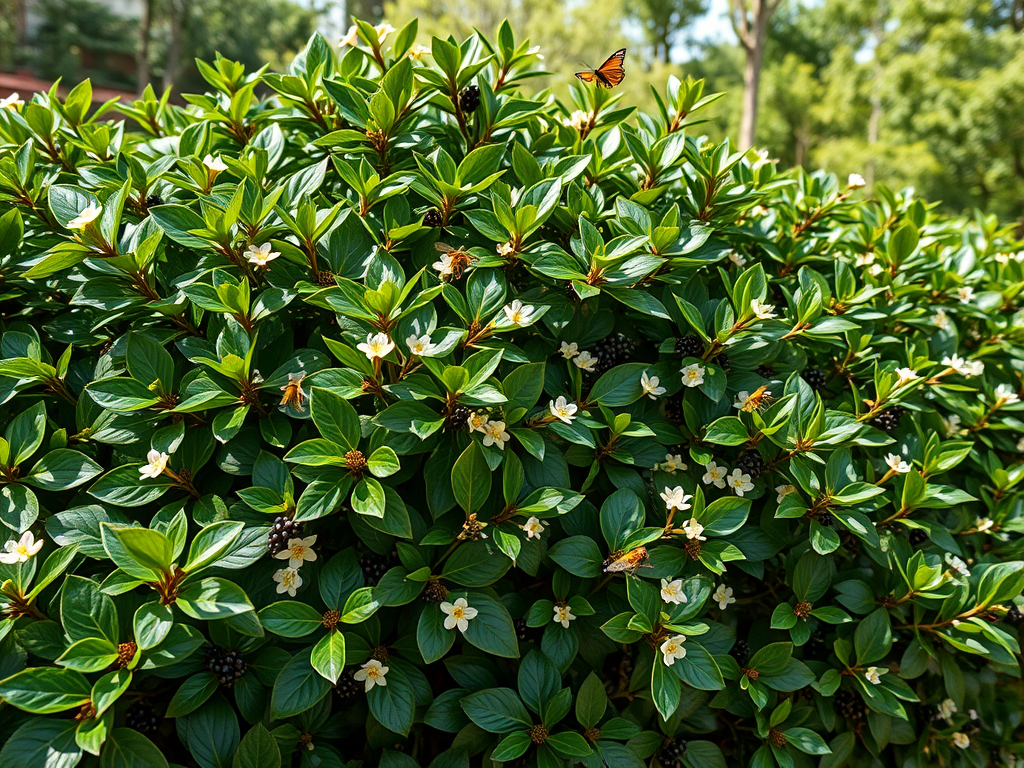
Ligustrum vulgare, or wild privet, is a resilient shrub admired for its ecological benefits and year-round beauty, yet it poses toxicity risks. Historically used for medicinal purposes, its potential dangers have led to its decline in modern herbal medicine. A balanced approach is essential for responsible gardening and urban planning.

Introduction to Foxglove

Foxglove (Digitalis purpurea), known for its striking beauty and lethal toxicity, has significant medicinal value, particularly in treating heart failure. Its heart-active compounds have influenced modern medicine and pharmaceuticals. Despite its historical use in folk remedies, it’s crucial to approach foxglove with caution due to its narrow therapeutic index and potential for poisoning.

Share with