Month: June 2025

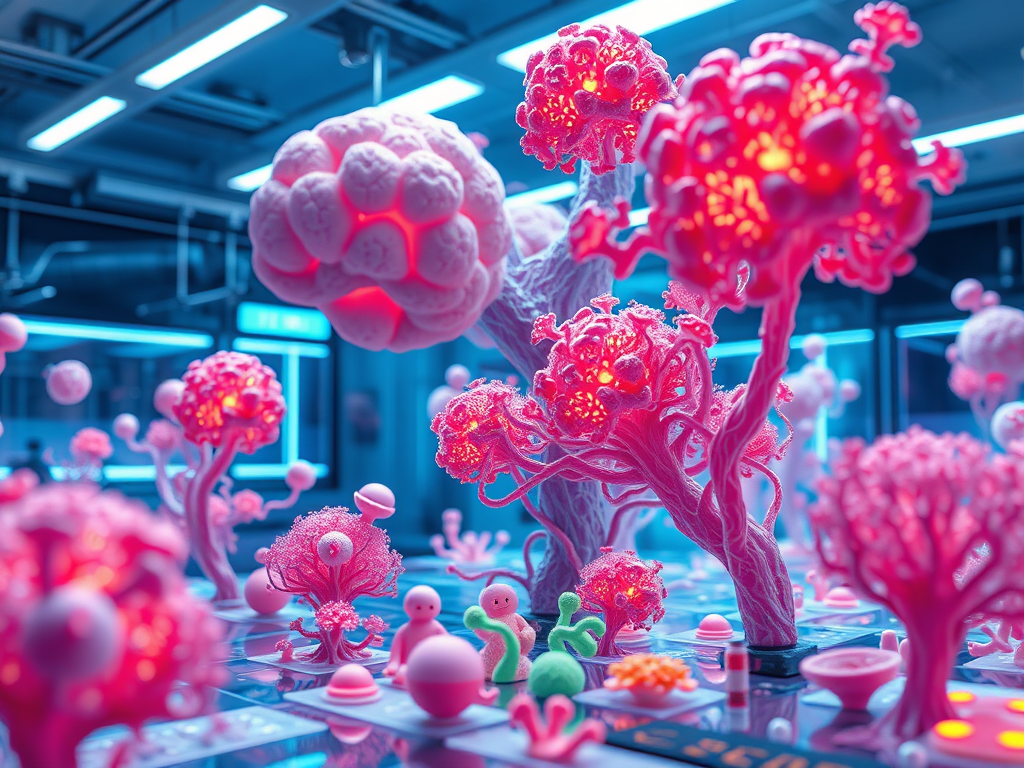
Organoids and Organ-on-Chip for Next-Gen Disease Modeling

The development of 3D organoids and organ-on-chip technologies has transformed preclinical research by mimicking human tissue in vitro. These advanced models enhance understanding of human biology and diseases while improving drug development and personalized medicine. Challenges remain in standardization, validation, and ethical considerations as these tools advance biomedical research.


Microbiome Engineering and Live Biotherapeutics

The article discusses the human microbiome’s crucial role in health and disease, emphasizing the potential of microbiome engineering and live biotherapeutics. It explores ecological principles, engineering strategies, clinical applications for various disorders, and future directions such as personalized therapeutics and digital biology. The need for innovation and regulatory frameworks is highlighted.

AI-Driven Drug Discovery and Digital Biology Platforms

Artificial Intelligence is transforming drug discovery by reducing development timelines and costs while improving success rates. Advanced AI techniques, like machine learning and generative models, streamline processes from target identification to clinical trials. This evolution prompts discussions around data quality, regulatory challenges, and ethical implications, shaping the future of medicine.

The latest trends in post-modern architecture

Neo-Eclecticism 2.0 revives 1980s postmodernism with digital tools, blending styles and playful ornamentation. Trends include narrative architecture, hyper-saturated colors, fragmentation, and mixed-reality integration. Sustainability features irony in design, while AI-driven methodologies enhance generative forms, echoing past aesthetics with precision. Architects like SO – IL and FALA Atelier lead these innovations.

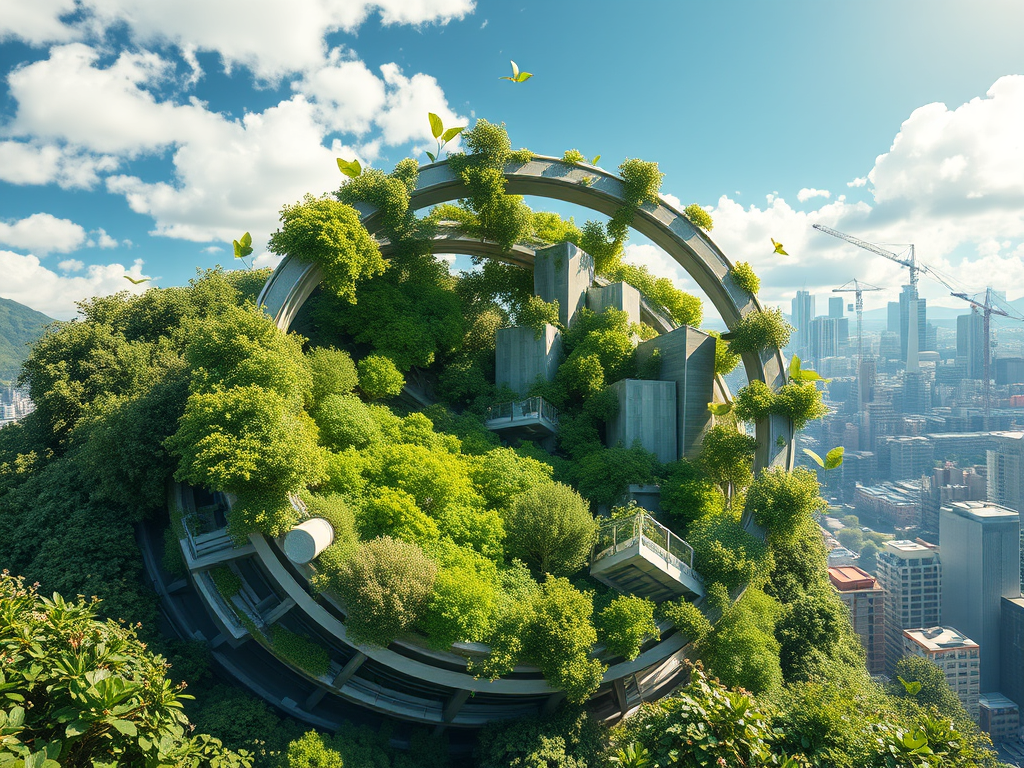
Sustainable Urban Design: Principles, Strategies, and Future Pathways

Sustainable urban design is crucial for managing the growing global urban population, which is expected to reach 68% by 2050. This approach integrates environmental, social, and economic principles to create resilient urban spaces. Key strategies include compactness, mixed-use developments, green infrastructure, and community engagement, promoting sustainability and equity in cities.

The Next Decade of Innovation: 10 Transformative Technologies Set to Reshape Our World by 2035

The article outlines ten transformative technologies anticipated to reshape society by 2035, including Artificial General Intelligence, Quantum Computing, 6G communication, and Climate Tech. It emphasizes the potential benefits of these innovations alongside the ethical and governance challenges they present, advocating for responsible deployment and interdisciplinary collaboration for a sustainable future.

Groundbreaking Cybercrime Security Systems: Technologies Shaping the Future of Digital Defense

The article discusses the evolving landscape of cybercrime and the necessity for innovative cybersecurity measures due to increasingly sophisticated threats. It highlights advancements in AI, zero-trust architecture, and decentralized technologies. Organizations must adapt these systems to strengthen defenses, ensure data security, and maintain resilience against mounting cyber threats.

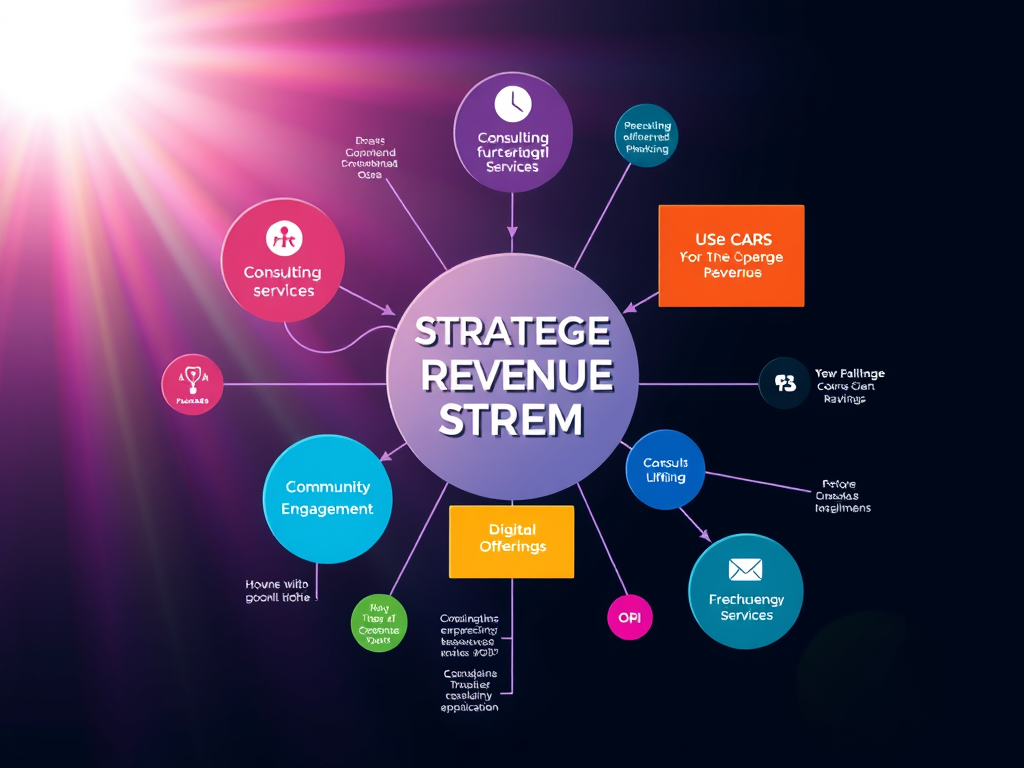
Several Strategic Revenue Streams

The content outlines various consulting services and revenue models offered by firms like Jarlhalla Solutions and Nexora Consulting. It includes project-based and retainer consulting, digital offerings like subscription-based toolkits and online courses, productized models with templates, event engagement through roundtables, and expansion strategies via franchising and strategic partnerships, emphasizing scalability and profitability.

Revolutionizing Construction: How Smart Systems and Digital Intelligence Are Shaping the Future of the Built Environment

Smart construction systems leverage technologies like IoT, AI, and robotics to enhance design, execution, and maintenance in the construction industry. They promise increased productivity, safety, and sustainability while addressing existing inefficiencies. Despite challenges like interoperability and cybersecurity, these systems are crucial for modern infrastructure development and necessitate industry-wide collaboration and training.

Unraveling the Chinese Room Paradox: AI, Cognition, and Consciousness

The Chinese Room thought experiment by John Searle challenges the notion that syntactic symbol manipulation equates to genuine understanding. It illustrates that while machines can simulate conversational fluency, they lack real comprehension. The article explores historical context, objections, and implications for AI, emphasizing the distinction between syntax and semantics and stressing the importance of human cognitive processes in meaningful interaction.

Circular Economy Unveiled: Transforming Sustainability with Innovation and Harmony

The circular economy challenges the traditional linear growth model, promoting sustainability through recycling, regeneration, and resource efficiency. It offers innovative solutions across sectors, including urban infrastructure, agriculture, and product services. Emphasizing community empowerment, circularity fosters resilience, belonging, and a harmonious balance between economic growth and ecological wellbeing, transcending mere compliance to become a cultural imperative.

Top 5 AI Gadgets of 2025: Transforming Everyday Life with Cutting-Edge Innovation

The article discusses the evolution of Artificial Intelligence (AI) into physical gadgets by 2025, highlighting five innovative devices: Rabbit R1, Samsung Ballie, Meta Ray-Ban Smart Glasses, Timekettle W4 Pro, and AIris. Each gadget enhances daily life through improved efficiency, interaction, and accessibility, showcasing technology’s transformative potential across various sectors.

Share with